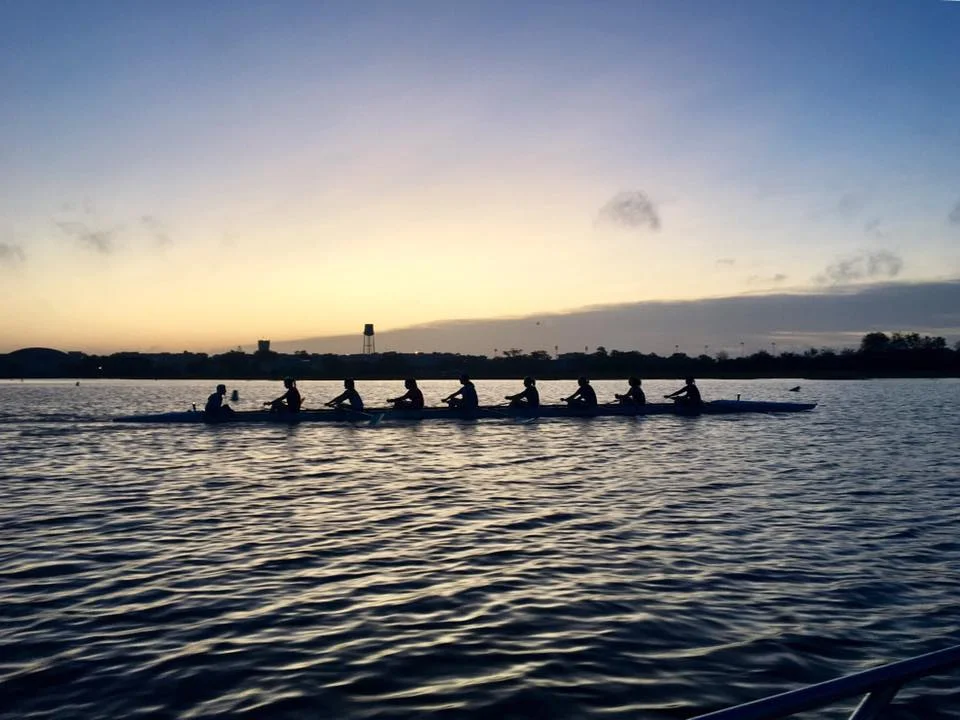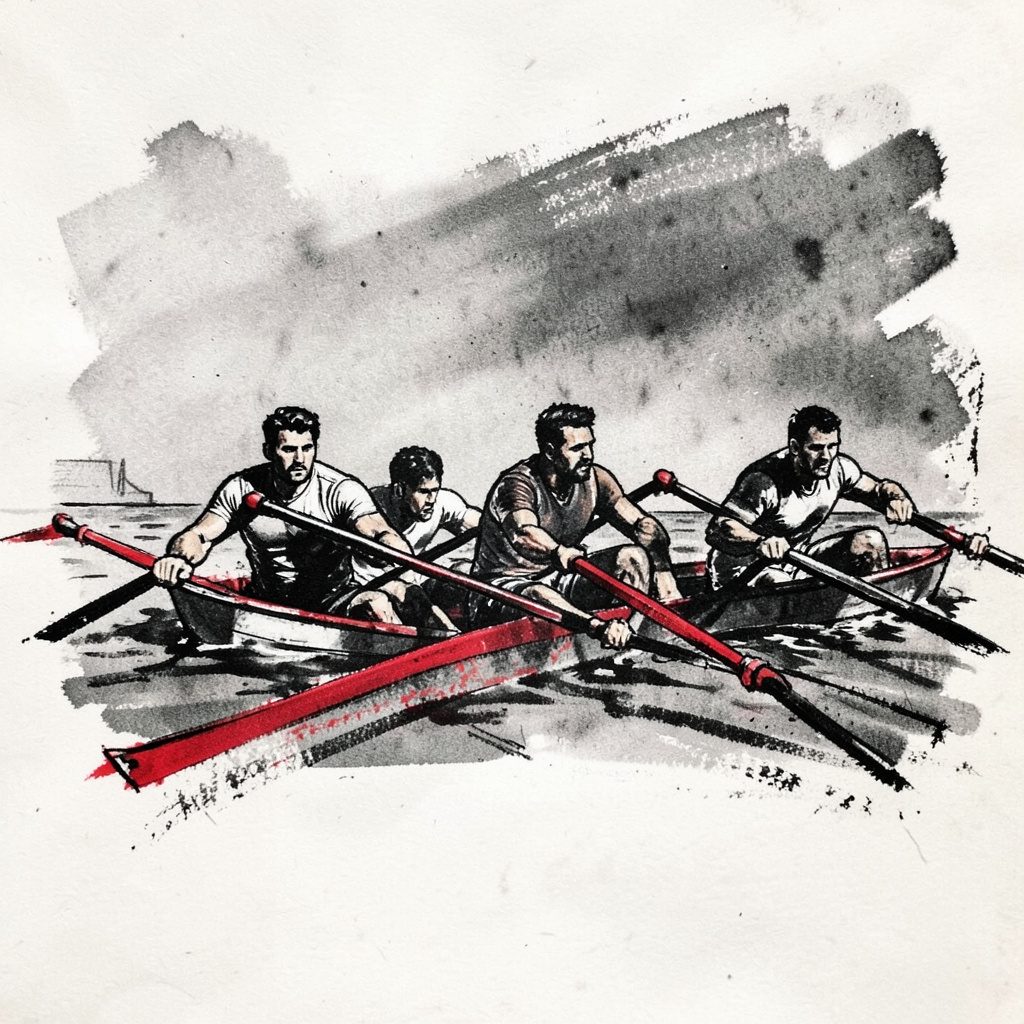
Clemson Sprints Weekend
Coverage and results from the team's trip to Clemson Sprints on Lake Hartwell.
Read More
A non-profit rowing team at the College of Charleston in Charleston, South Carolina.
On Australian rivers and harbours, a pass can be as demanding as a race. The etiquette of passing another crew on the water depends on early, predictable decisions rather than nerve or speed. A clean pass protects people, boats and training time while showing respect to the crew alongside.
A fair go on the water means every person gets a fair chance to learn and improve. That matters because beginners often share lanes with experienced rowers, and a hesitant or careless movement can turn an ordinary outing into a safety concern.
Passing looks simple from shore, but rowing shells offer little room for error. A sudden movement near another boat can damage hulls, destabilise rowers and send an oar into the water at the wrong moment. Even a small wake can unsettle an inexperienced crew.
On Sydney Harbour, ferry traffic, wind and tidal currents add further complexity. Crews need to understand local exclusion zones and remain alert for changing conditions rather than assuming another boat will move out of their way.
Every pass begins with identifying the other crew’s boat, direction and speed. The coxswain or boat captain should determine whether the crews are approaching head-on, travelling in the same direction or working near a launch or turning area.
Experienced rowers look for small changes in a shell’s course and respond early. A clear call such as “steady”, “hold” or “outside line” is more useful than a last-second attempt to dodge another crew.
Most rowing clubs ask crews meeting head-on to pass port-to-port, meaning their port sides pass each other. This gives both crews a better view of the approaching boat. Small, smooth corrections are preferable to abrupt steering movements.
Local safety instructions always take priority over general etiquette. The relevant rule may specify a different passing arrangement, particularly near a ferry route, marina or narrow section of river.
A crew following another boat should plan the overtake well before drawing alongside. The usual approach is to move outside and cross behind the leading boat at a shallow angle, avoiding its wake and allowing the faster crew to remain clear.
Melbourne’s Yarra River can be busy with rowers, paddlers and commercial traffic, leaving little room for a dramatic pass. If there is insufficient space, the correct choice is to stay behind rather than squeeze past or force an overtake.
Communication matters more than impressive steering. Australian club communication is often direct and friendly: coxswains call “hold your line”, “come around” or “easy”, and rowers respond immediately without debating the decision.
The College of Charleston Crew programme offers a useful model of a welcoming collegiate club. Its website brings together coaching, student leadership, training and the regatta calendar for both novice and experienced rowers.
Training should progress from controlled drills in sheltered water to realistic traffic situations. Novices need practice holding a line, backing a boat and responding to calls while looking after the crew around them. coxed boat, the coxswain’s instructions take priority over individual steering instincts.
Strong glare can be as troublesome as rain or wind. Charleston's guide to choosing rowing sunglasses provides a useful starting point for crews facing bright conditions on the Swan River in Perth, where secure fit and suitable lenses matter.
Before leaving the boathouse:
While the boats are moving:
Australian community rowing often relies on volunteers, membership subscriptions and sponsorship to cover equipment and facility costs. Clubs adapting that model can use the team fundraising guide as inspiration for supporter events and team campaigns.
| Situation | Normal approach | Main responsibility |
|---|---|---|
| Head-on meeting | Pass port-to-port using small corrections | Both crews maintain predictable lines |
| Overtaking | Move outside and cross astern at a shallow angle | The overtaking crew provides adequate room |
| Marked race course | Follow event instructions and keep the assigned lane | Neither crew obstructs the other |
| Narrow or crowded water | Delay the pass until sufficient space is confirmed | Either crew may stop if necessary |
| Launch or ferry zone | Follow harbour and event instructions | Crews obey all exclusion zones |
College of Charleston Crew fields competitive eights and fours in both Fall head races and Spring sprint regattas across the Southeast.
Learn MoreRecent news, recaps, and announcements from the team.
Coverage and results from the team's trip to Clemson Sprints on Lake Hartwell.
Read More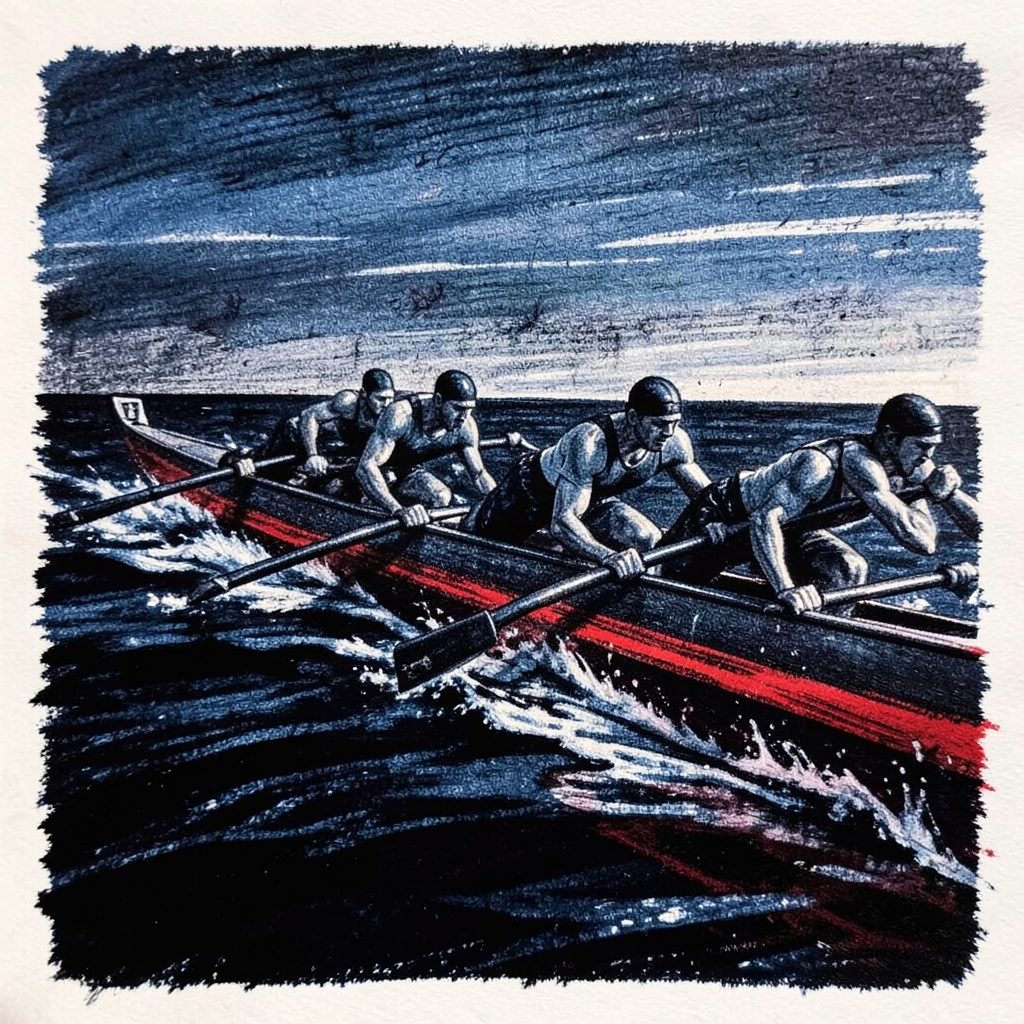
Spring lineup including Clemson Sprints, SIRA, Dad Vail, and ACRA National Championship.
Read More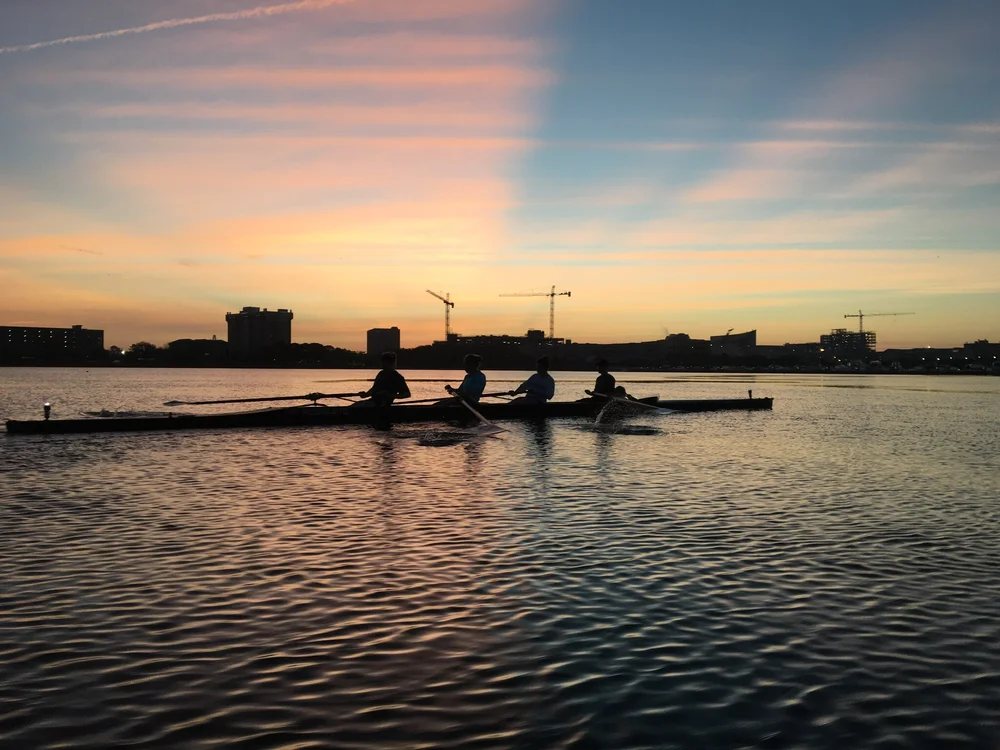
Previews and recap of past Head of the Charles appearances, including the 50th annual regatta in 2014.
Read MoreTeam practice, regatta dates, and meetings are listed on the team calendar. Coaches post weekly schedules and travel details for upcoming race weekends.
Charleston Crew / CCAA
PO Box 12941
Charleston, SC 29422
Email: info@cofccrew.org
Phone: 843.513.5900
Phone: 843.276.4241
Interested in joining the team? Fill out the recruitment form and the coaches will follow up.