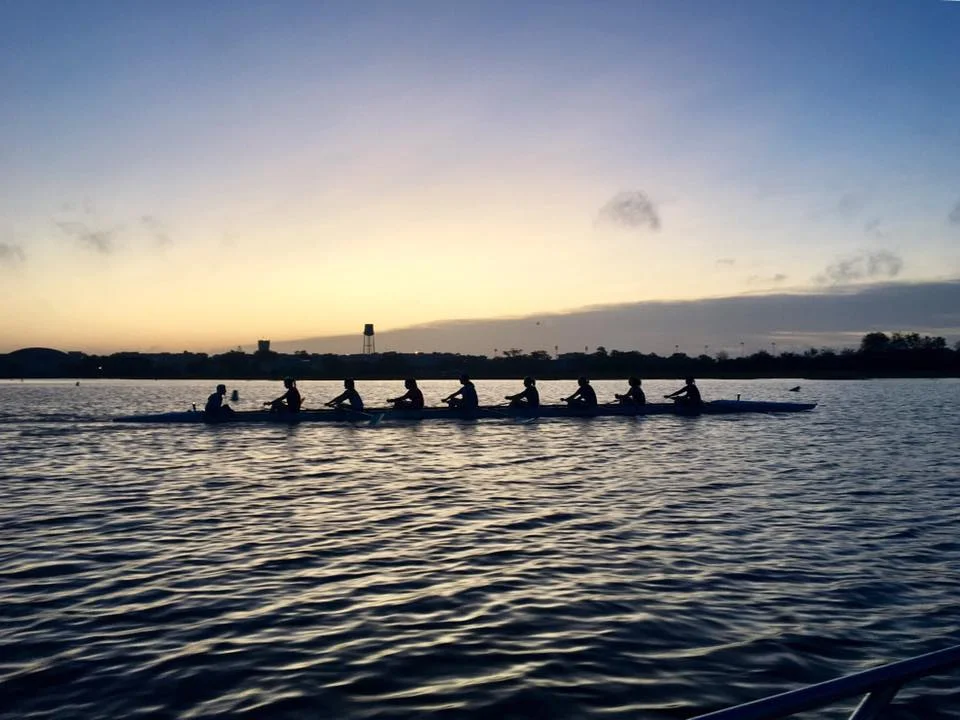
Clemson Sprints Weekend
Coverage and results from the team's trip to Clemson Sprints on Lake Hartwell.
Read More
A non-profit rowing team at the College of Charleston in Charleston, South Carolina.
Rowing asks people to move with precision while managing effort, discomfort and changing conditions. In a tight crew, every stroke depends on shared timing, clear communication and trust. The boat becomes a moving system in which individual focus supports collective performance.
That mental discipline appeals to university students across Australia, from early-morning rowers in Sydney to club athletes balancing lectures and part-time work in Melbourne. The routine can be demanding, yet its structure often creates a welcome break from constant notifications, crowded commutes and academic pressure.
A crew does not need to be made up entirely of experienced athletes. Beginners can learn boat awareness, technical skills and race confidence alongside established rowers. The College of Charleston Crew Team reflects this inclusive spirit while competing across the Southeast and along the U.S. East Coast.
For Australian readers, the experience has familiar points of connection: dawn training before a Brisbane summer becomes too hot, a coffee shared after practice, or the practical teamwork found in local university sport. Rowing develops a calm, connected mindset that carries well beyond the water.
A close crew relies on repeated movement. Each rower must notice the catch, drive, recovery and boat speed rather than drifting into autopilot. This sustained attention trains the mind to stay with one task, a useful counterbalance to fragmented study and digital habits.
The mental demand is subtle. A rower listens to the boat, watches the person ahead and responds to the coxswain without overreacting. Over time, this becomes a form of moving meditation, where concentration is active but steady.
When a crew moves well, trust becomes physical. Rowers learn that their teammates will hold the rhythm, complete the stroke and remain dependable when the pace rises. That confidence reduces the urge to control every detail alone.
The same quality matters during a close race. Instead of panicking when another boat gains ground, athletes can return to the agreed rhythm and rely on shared preparation. This is particularly valuable for students who are still building confidence in a new city or sporting community.
Rowing offers frequent, measurable feedback. A cleaner finish, smoother recovery or stronger technical sequence can improve the boat immediately. These small gains provide evidence that effort is producing change, even when a race result is not yet available.
Land training adds another layer of progress. The erg room guide shows how indoor conditioning supports rowing fitness and consistency. For Australian athletes, an erg can also be practical during heat, storms or university timetable clashes.
The physical pattern of rowing can settle a busy nervous system. Breathing becomes more regular, muscles absorb tension and attention shifts towards a clear sequence. After training, problems that felt overwhelming may appear more manageable.
This benefit does not require a perfect session. A difficult workout still offers a defined beginning and end, which can create psychological separation from assignments, work and social pressures. An early start can also establish a healthier daily rhythm than rushing straight from bed to a screen.
A crew creates regular contact with people who understand the effort involved. Shared setbacks, long travel days and ordinary post-training routines can form friendships that feel more substantial than casual online interaction. The social connection is part of the sport’s psychological value.
This community model is familiar in Australian university clubs, where volunteers often organise transport, equipment and fundraising. Whether athletes are meeting near Sydney Harbour or travelling from Adelaide to a regatta, practical cooperation encourages a strong sense of responsibility to the group.
Competition teaches athletes to prepare for uncertainty. Weather can change, equipment may need checking and nerves can appear even after weeks of training. A crew learns to focus on controllable actions: rigging correctly, listening carefully and committing to the first stroke.
The regatta schedule gives athletes a clear framework for planning training and travel. That forward planning is useful in Australia’s geographically spread rowing scene, where interstate events can involve flights, long drives and careful budgeting.
Rowing encourages regular sleep, sensible meals and attention to recovery. Students may become more aware of hydration during a hot Queensland session, sun protection during a South Australian regatta or the value of public transport planning after evening training in Melbourne.
Good club practice also needs to respect local requirements. Australian rowing organisations operate within state-based Work Health and Safety laws, while equipment sales, merchandise and paid services may involve obligations under the Australian Consumer Law. Responsible administration protects the trust that makes team participation feel secure.
The deepest mental benefit comes from recognising that personal performance contributes to something larger. A rower can be powerful, technically skilled or highly motivated, yet the boat only benefits when those qualities fit the crew’s rhythm. This encourages humility without diminishing individual ambition.
That balance can shape life after university. Students learn to pursue personal improvement while making room for other people’s needs, strengths and timing. In a tight crew, mental resilience is built through connection: the confidence to work hard, stay present and move forward together.
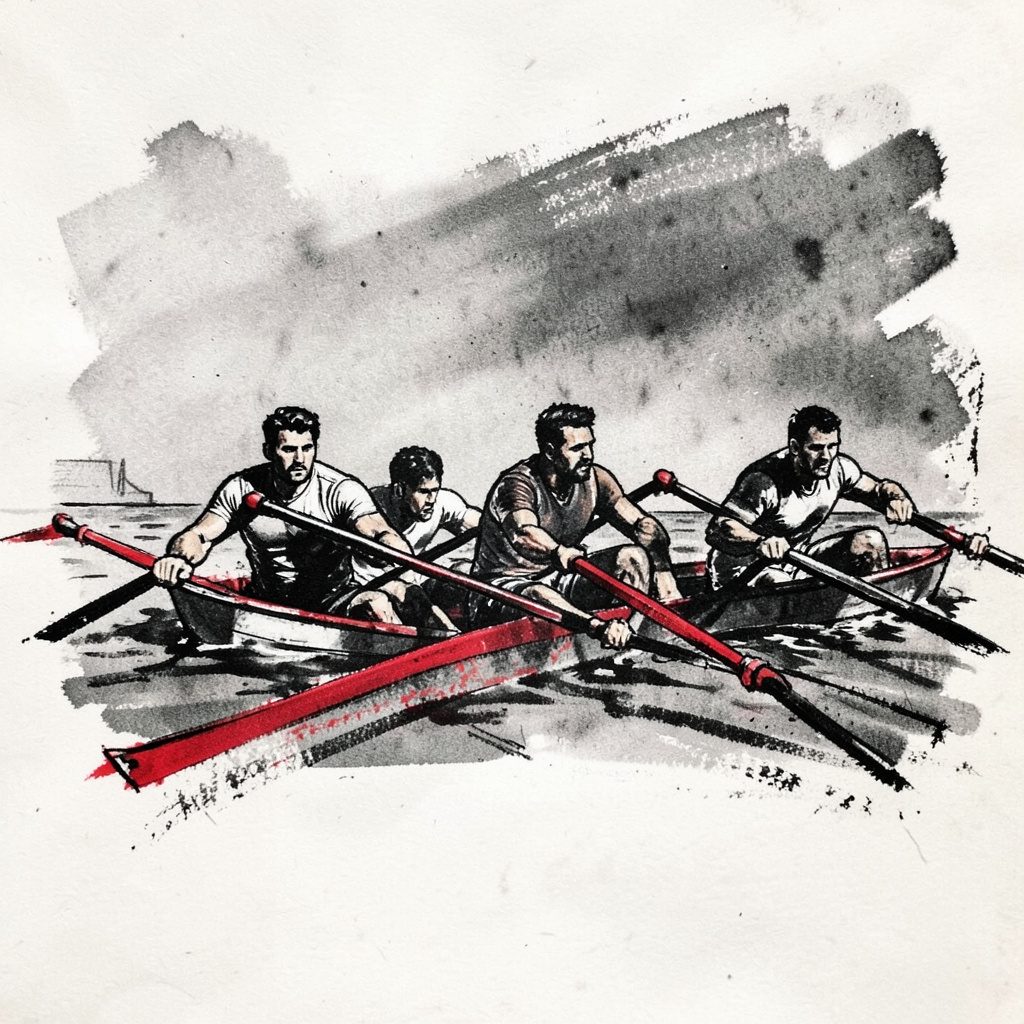
College of Charleston Crew fields competitive eights and fours in both Fall head races and Spring sprint regattas across the Southeast.
Learn MoreRecent news, recaps, and announcements from the team.
Coverage and results from the team's trip to Clemson Sprints on Lake Hartwell.
Read More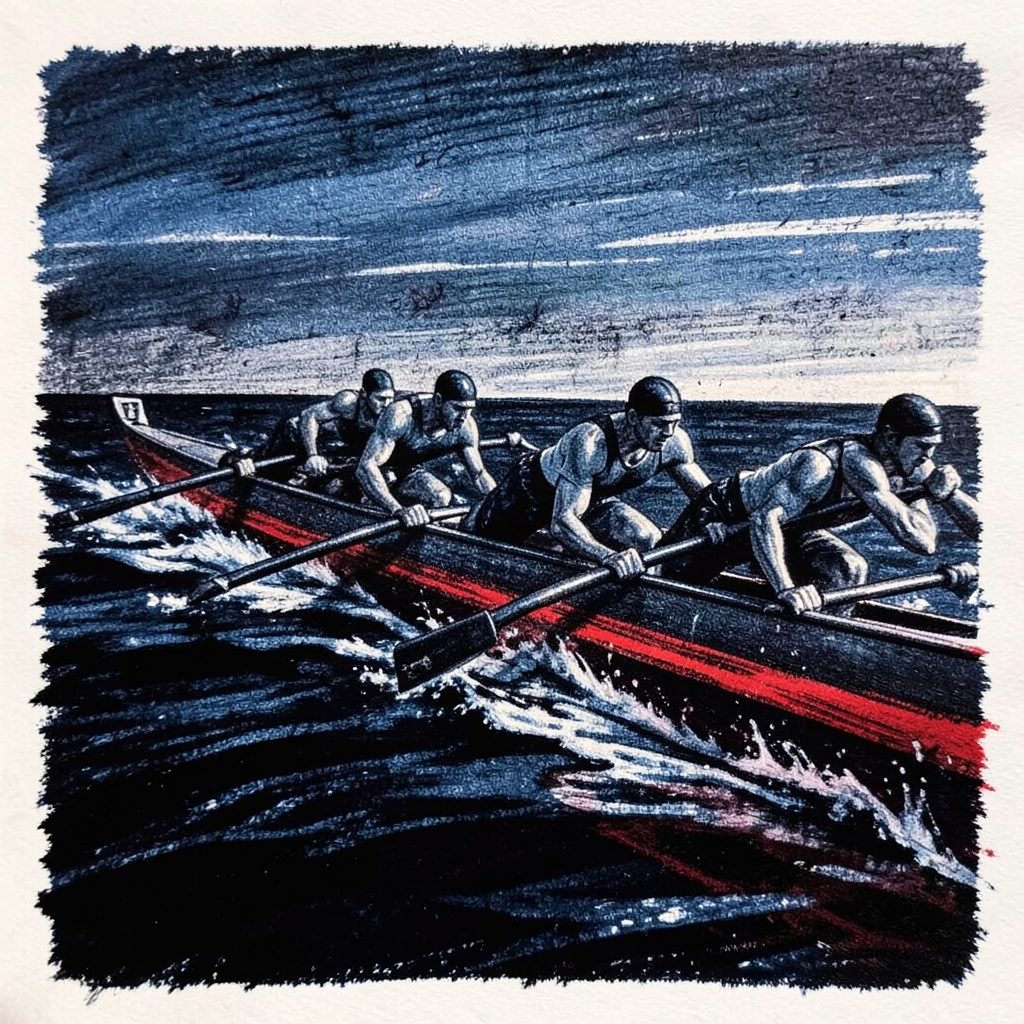
Spring lineup including Clemson Sprints, SIRA, Dad Vail, and ACRA National Championship.
Read More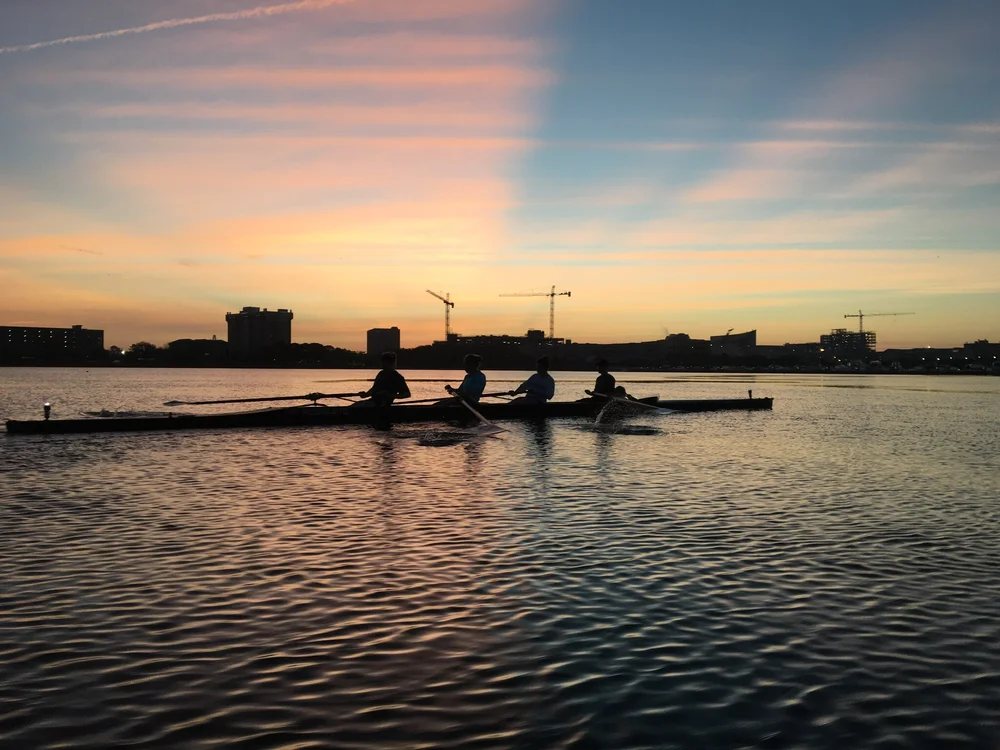
Previews and recap of past Head of the Charles appearances, including the 50th annual regatta in 2014.
Read MoreTeam practice, regatta dates, and meetings are listed on the team calendar. Coaches post weekly schedules and travel details for upcoming race weekends.
Charleston Crew / CCAA
PO Box 12941
Charleston, SC 29422
Email: info@cofccrew.org
Phone: 843.513.5900
Phone: 843.276.4241
Interested in joining the team? Fill out the recruitment form and the coaches will follow up.