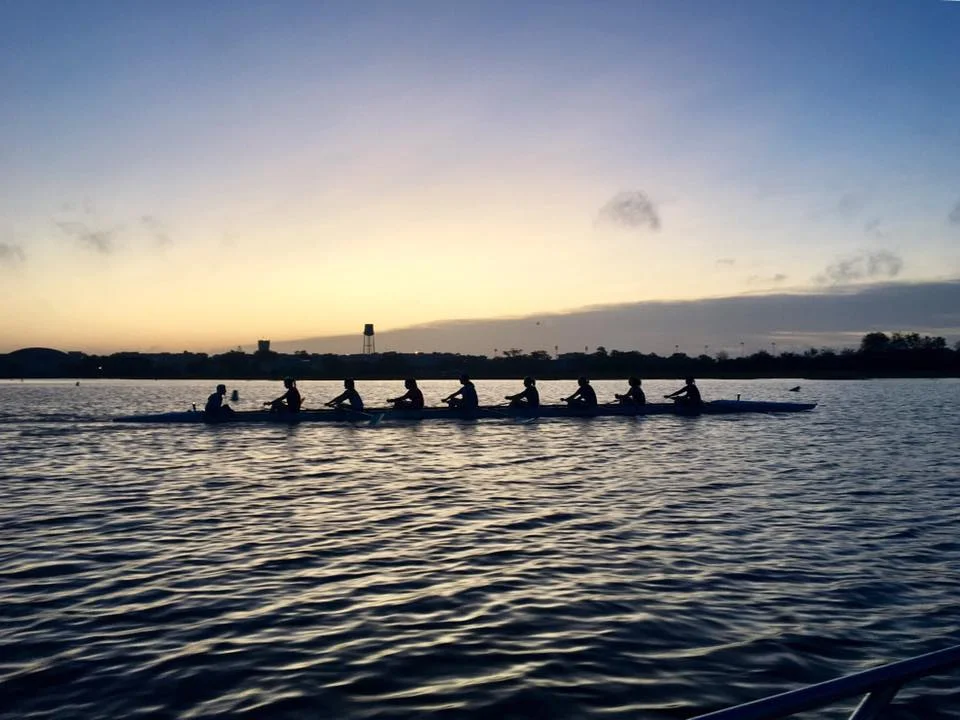
Clemson Sprints Weekend
Coverage and results from the team's trip to Clemson Sprints on Lake Hartwell.
Read More
A non-profit rowing team at the College of Charleston in Charleston, South Carolina.
Rowing asks the body to repeat powerful movements under load. Each stroke combines leg drive, hip extension, trunk control and upper-body connection, so soreness can appear across the quads, glutes, lower back, lats and forearms. Understanding why it happens makes recovery more effective and training more sustainable.
Delayed-onset muscle soreness, or DOMS, usually develops between 12 and 48 hours after unfamiliar or demanding exercise. Small amounts of muscle damage, inflammation and sensitivity in the surrounding tissues contribute to the ache. Soreness is a normal training response, but severe pain, swelling or a sharp sensation should never be treated as a badge of honour.
For rowers in Australia, recovery also has to account for heat, humidity and long travel to regattas. A session on the Yarra in Melbourne, the Brisbane River or Sydney Harbour can feel very different depending on the season. Replacing fluids after a hot morning row is part of performance preparation, not an optional extra.
A well-managed recovery routine helps athletes return to quality training without masking warning signs. The goal is to restore movement, refuel the muscles and protect sleep while allowing adaptation to take place.
The lowering phase of a movement, known as eccentric loading, is a common source of DOMS. During the recovery from the finish to the catch, rowers control the slide and maintain posture while the muscles lengthen under tension. High-rate ergometer intervals, heavy strength work and a sudden increase in kilometres can all intensify this effect.
Soreness can also reflect coordination fatigue rather than significant tissue damage. When the trunk loses stability or the catch becomes rushed, other muscles may compensate. A rower who feels unusual discomfort on one side should review technique with a coach instead of simply adding more stretching or pain relief.
The College of Charleston Crew Team offers a useful example of a club environment where beginners and experienced athletes train together. Gradual loading is particularly important in that setting, because new rowers need time to develop movement skill before chasing volume or intensity.
Gentle movement increases circulation and can reduce the stiff feeling that follows a hard session. An easy cycle, relaxed walk, light mobility routine or low-intensity row may help, provided it stays well below the effort that caused the soreness. Australian athletes might call this an easy arvo spin or recovery paddle, but it should still feel genuinely comfortable.
Mobility work is most useful when it targets positions needed for rowing: ankle dorsiflexion, hip flexion, thoracic rotation and shoulder control. Brief dynamic movements before training prepare the joints, while calm, controlled stretching after a session can restore comfortable range. Forcing a painful stretch is unlikely to speed repair.
Soft-tissue work, including massage balls and foam rollers, may temporarily reduce tenderness and improve perceived movement. It does not erase muscle damage or replace rest. Use moderate pressure, avoid bruised areas and stop if symptoms become sharper or spread.
Muscle repair depends on adequate energy and protein. A meal containing carbohydrates and protein within a few hours of training supports glycogen replacement and tissue maintenance. Practical options include yoghurt with fruit and muesli, eggs on toast, rice with tuna, or a chicken wrap after a morning session.
Sweat losses can be substantial during an Australian summer, especially at exposed riverside venues. Water is appropriate for shorter sessions, while longer or hotter training may require electrolytes and extra sodium. Pale urine is a rough hydration guide, though thirst, body weight changes and the session conditions provide better context.
A consistent sleep routine is among the strongest recovery tools available. Aim for enough time in bed to wake naturally when possible, keep the room cool and dark, and limit late-night scrolling after evening training. Poor sleep can increase perceived soreness and reduce coordination the following day.
The ergometer makes training measurable, but its fixed handle path and repeated slide can expose technical faults. Rowers often produce more force than they can control, then compensate with the lower back or shoulders as fatigue builds. The result may be soreness that feels disproportionate to the session.
The erg room guide illustrates why a land-training space should support purposeful work rather than encourage endless maximum-effort testing. Set the damper sensibly, maintain a connected sequence and use technique drills between demanding pieces.
Training load should rise progressively. Increase one variable at a time—distance, intensity, frequency or resistance—and leave room for easier weeks. A sudden jump after exams, illness or a holiday is a common reason university rowers feel wrecked after returning to the boat.
Normal DOMS tends to feel broad, dull and symmetrical, then gradually improves as the body warms up and recovers. Pain that is sharp, localised, associated with swelling or present during ordinary walking deserves a more cautious response. Persistent back pain, joint pain or altered technique should be assessed by a qualified health professional.
Recovery tracking can be simple. Note sleep, session effort, unusual pain, mood and how the warm-up feels. A repeated pattern—such as heavy legs after every hard erg or shoulder tightness following long rows—can help coaches adjust training before a minor issue becomes an injury.
A short break from intense work is not lost fitness. Easy technical rowing, cross-training or rest can preserve momentum while irritated tissues settle. The hall of champions reflects the long view of rowing achievement: durable progress is built across seasons, not measured by one heroic session.
Recovery works best when it is treated as part of training design. Sensible loading, reliable nutrition, hydration, sleep and honest communication with coaches give rowers the best chance of adapting to hard work while staying ready for the next session or regatta.
College of Charleston Crew fields competitive eights and fours in both Fall head races and Spring sprint regattas across the Southeast.
Learn MoreRecent news, recaps, and announcements from the team.
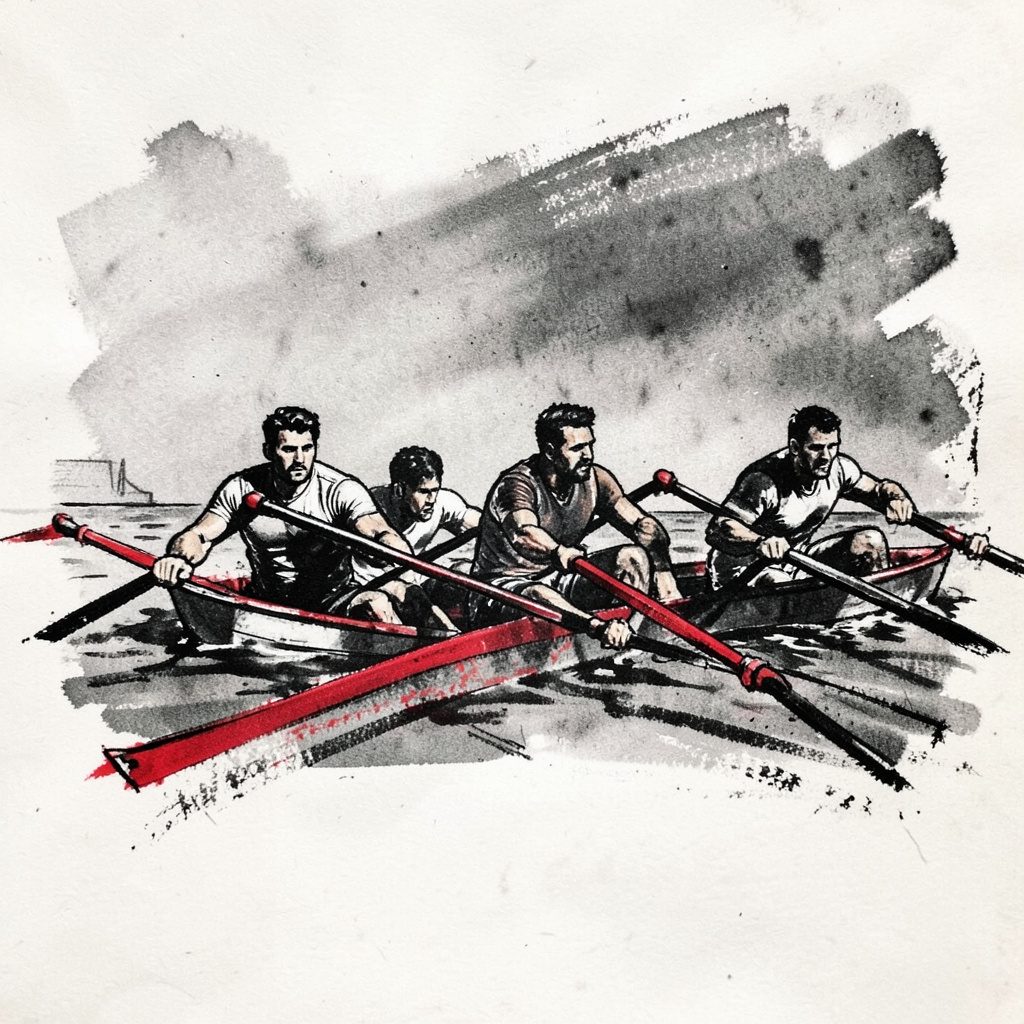
Coverage and results from the team's trip to Clemson Sprints on Lake Hartwell.
Read More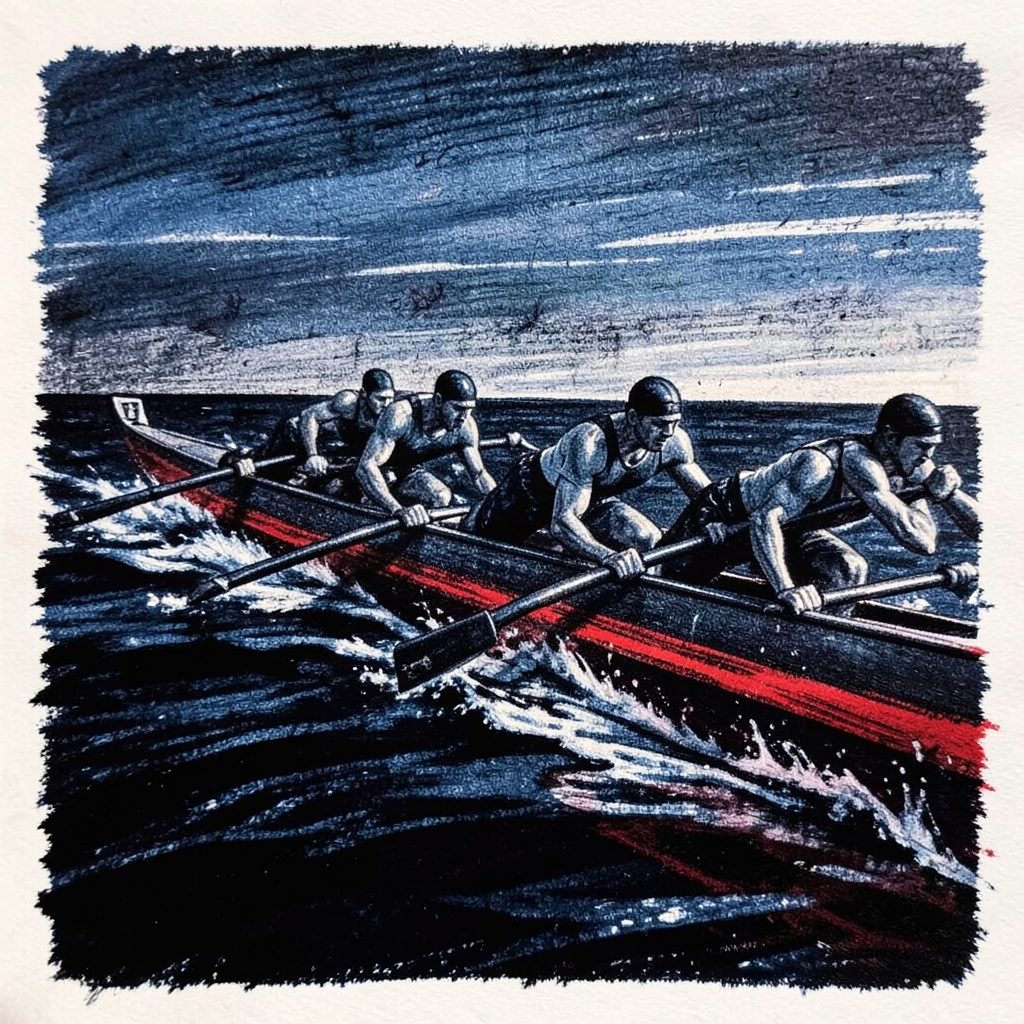
Spring lineup including Clemson Sprints, SIRA, Dad Vail, and ACRA National Championship.
Read More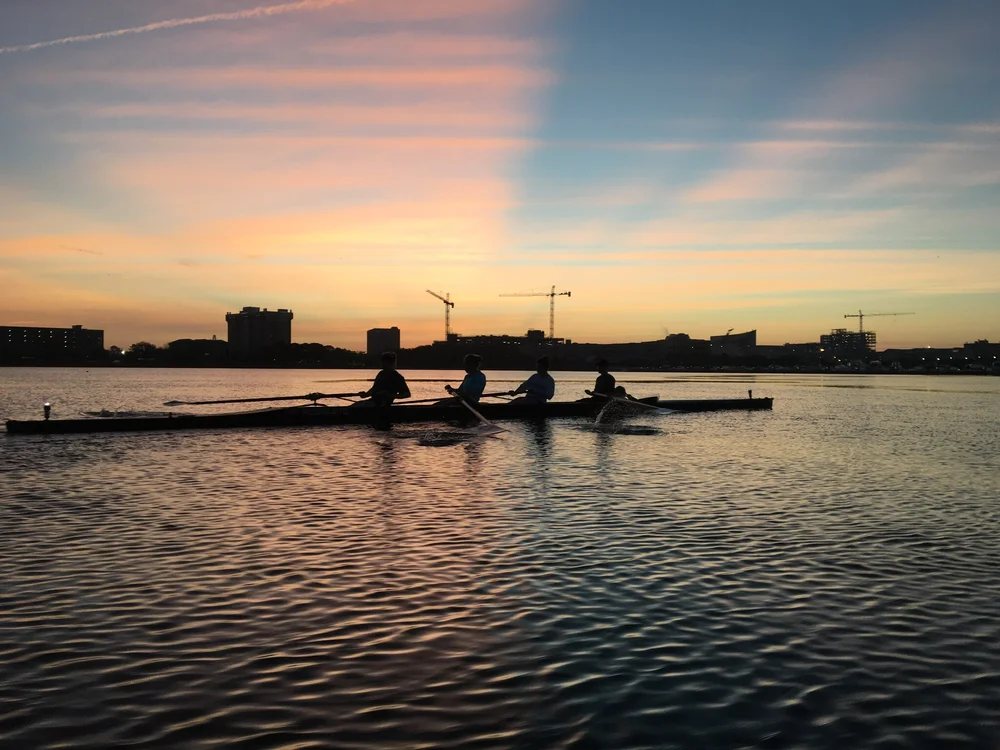
Previews and recap of past Head of the Charles appearances, including the 50th annual regatta in 2014.
Read MoreTeam practice, regatta dates, and meetings are listed on the team calendar. Coaches post weekly schedules and travel details for upcoming race weekends.
Charleston Crew / CCAA
PO Box 12941
Charleston, SC 29422
Email: info@cofccrew.org
Phone: 843.513.5900
Phone: 843.276.4241
Interested in joining the team? Fill out the recruitment form and the coaches will follow up.