Clemson Sprints Weekend
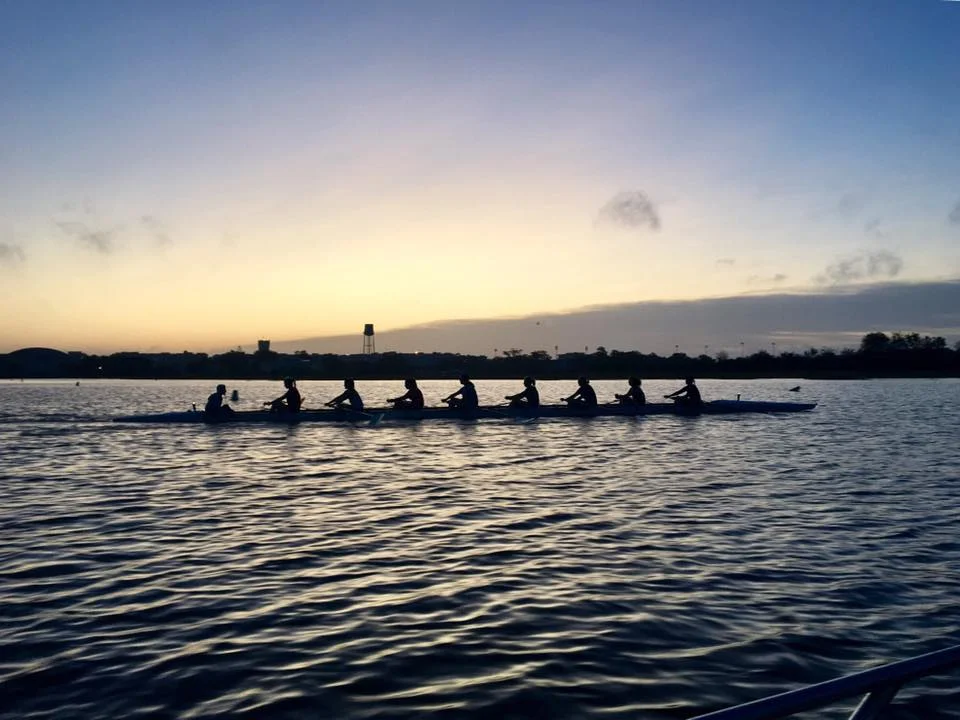
Coverage and results from the team's trip to Clemson Sprints on Lake Hartwell.
Read More
A non-profit rowing team at the College of Charleston in Charleston, South Carolina.
Charleston sits where the Ashley and Cooper rivers spill into the Atlantic, and that geography shapes every forecast for the College of Charleston crew. Sea breeze meets summer thermals, harbour fog drifts inland before sunrise, and the sky swings glassy to electrical fast. Learn more about Photos.
Back home, Aussies have a fair dinkum obsession with weather charts. Mornings out at Penrith or on the Yarra start with a BoM check, and Sydney visitors recognise the ritual. Charleston's coastal setup layers tides onto wind, while most Australian rivers lean on inland pressure. Learn more about A Parent S Guide To Cofc Crew What Your Rower Wants You To Know.
The regatta calendar runs from late winter into the southern-hemisphere spring, lining up with home seasons. Coaches flag sunrise windows, use the webcam for visibility, and push novice crews to read live wind graphs. Supporters in Melbourne or Hobart match those windows by remembering a 4am Charleston alarm equals 7pm AEDT. Learn more about From Couch To 5k On Water Getting Fit For Novice Rowing.
A quick radar scan, a webcam glance, and a tide check are all a newcomer needs to follow the season from afar. Coaches share their morning routine openly because most lessons translate straight back to home waters.
Forecasting Charleston and a Sydney river share more than people expect, but the variables stack differently. The table shows how a typical regatta morning on the Cooper River measures against common Australian venues.
| Condition | Cooper River, Charleston | Parramatta, Sydney | Yarra River, Melbourne | Lake Barrington, Tasmania |
|---|---|---|---|---|
| Morning breeze | 6–10 kt SE by 09:00 | 4–7 kt NW inland | 2–5 kt SW | 3–6 kt variable |
| Tidal swing | 1.5–2 m, twice daily | Minor (0.3 m) | Negligible | None |
| Summer hazard | Afternoon thunderstorms | Westerly buster | Hot northerlies | Wind shifts |
| Air temp (Apr–Oct) | 18–28 °C | 14–22 °C | 11–18 °C | 6–15 °C |
| Water temp | 14–24 °C | 15–21 °C | 9–17 °C | 7–14 °C |
Charleston's tidal range earns its reputation as the rowdiest of the four. Coaches read tide tables the night before and plan technique pieces around the midday slack. Penrith rowers on the Nepean face no tides, yet the same wind-reading habits still apply.
The harbour runs on flood and ebb patterns that quietly change pairings and race starts. Two hours before high tide, crews drift past the marsh grass near the boat house. Coxswains time long pieces with the current, then use the turn against the tide for power work. Slogging against a Torrens weir flow trains a different skill, since a Cooper flood can silently slide a shell sideways if the steersperson is staring at the wrong marker.
Wind behaves on its own clock. Charleston's seabreeze kicks in around ten, often lined up with the channel so lanes read flat. After lunch, the same breeze fights a land-breeze reversal, which is why afternoon sessions focus on steady-state. Glassy Lake Wendouree dawns don't prepare you for the early alarm, yet the trade-off is worth every quiet kilometre.
Electrical storms end sessions outright. The College of Charleston crew tracks a 30-30 rule: when thunder is 30 seconds or less from a flash, crews move off the water. Coaches carry handheld radar that refreshes every five minutes, and the boat house doubles as the safe zone. Parents can learn the wider prep routine in the parent prep guide before the season starts.
Summer squalls roll in fast over the marsh, sometimes dropping visibility to a single boat length. Coxswains pivot bow-to-wave and call the coach on channel one. Referees at the Head of the Charleston suspend racing when lightning is detected within eight miles, mirroring the squall protocols at NSW Head of the River, where downstream observers radio the same warnings.
Cancellations follow a clear ladder: light wind delays, heavy weather cancels. The regatta director logged a 2025 cancellation when a Sunday front brought 35-knot gusts, yet crews still earned season credit. The call is expected and always logged in the team handbook for newer athletes to review at the next arvo briefing.
Charleston summers carry 80 percent humidity by late morning, and the heat index climbs past 38 °C before noon. Crews shift hard pieces to sunrise or after 18:00, with water bottles in shaded coolers on the dock. Aussie rowers used to dry Tasmanian air feel the difference in the first session and pack their salt-tablet habit.
Twilight rows are a tradition borrowed from Brisbane's late-day calm. By 18:30 the seabreeze softens, the marsh glows, and novice crews bank their first sustained steady-state piece without storm threats. Captures of these sessions fill the team photo gallery, useful for parents planning a spring trip.
The coxswains use a small stack of trusted tools each morning. Windy and NOAA's hourly forecast deliver wind numbers, Coast Guard radio confirms tides, and a BoM-style rain radar overlay sits on the coach's tablet. Each is read in layers rather than trusted alone. Australian clubrooms drill the same habit, training athletes to cross-check MetEye against the river's own cues, such as kookaburras going quiet over the gum trees.
Crews launch with a Plan B no matter what the screen shows. An erg circuit is mapped for no-go days, hydration stations are stocked, and the ramp is cleared by 07:00 even when the radar looks dodgy. The novice squad arrives fifteen minutes early to read the boat house whiteboard. Anyone easing into their first season will value the couch-to-5k rowing primer before tryouts open.
A few habits that hold across both coasts:
College of Charleston Crew fields competitive eights and fours in both Fall head races and Spring sprint regattas across the Southeast.
Learn MoreRecent news, recaps, and announcements from the team.
Coverage and results from the team's trip to Clemson Sprints on Lake Hartwell.
Read More
Spring lineup including Clemson Sprints, SIRA, Dad Vail, and ACRA National Championship.
Read More
Previews and recap of past Head of the Charles appearances, including the 50th annual regatta in 2014.
Read MoreTeam practice, regatta dates, and meetings are listed on the team calendar. Coaches post weekly schedules and travel details for upcoming race weekends.
Charleston Crew / CCAA
PO Box 12941
Charleston, SC 29422
Email: info@cofccrew.org
Phone: 843.513.5900
Phone: 843.276.4241
Interested in joining the team? Fill out the recruitment form and the coaches will follow up.