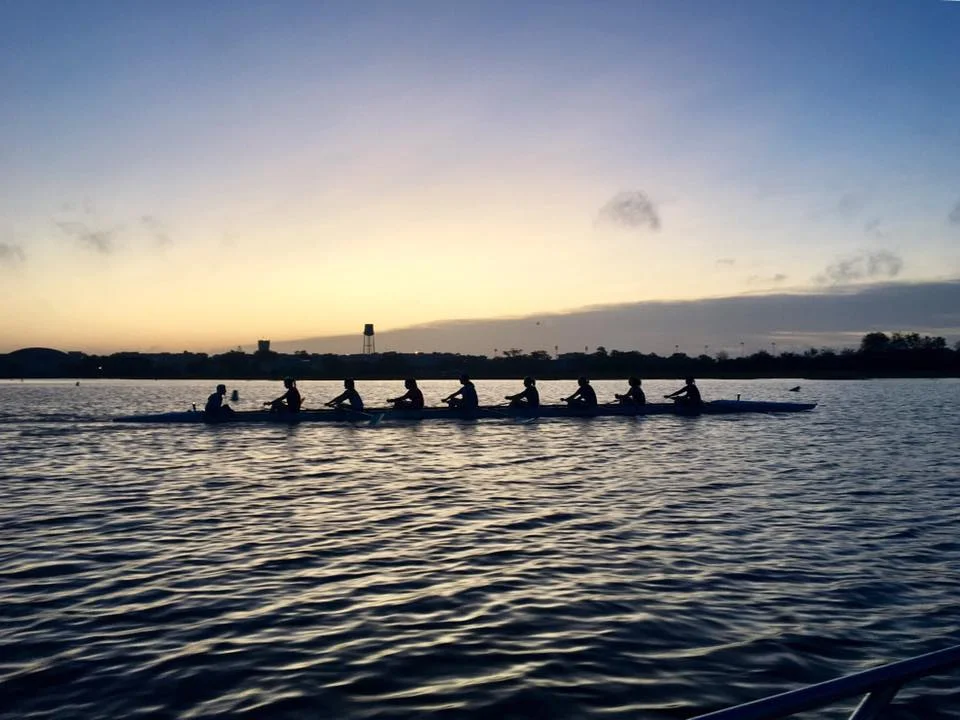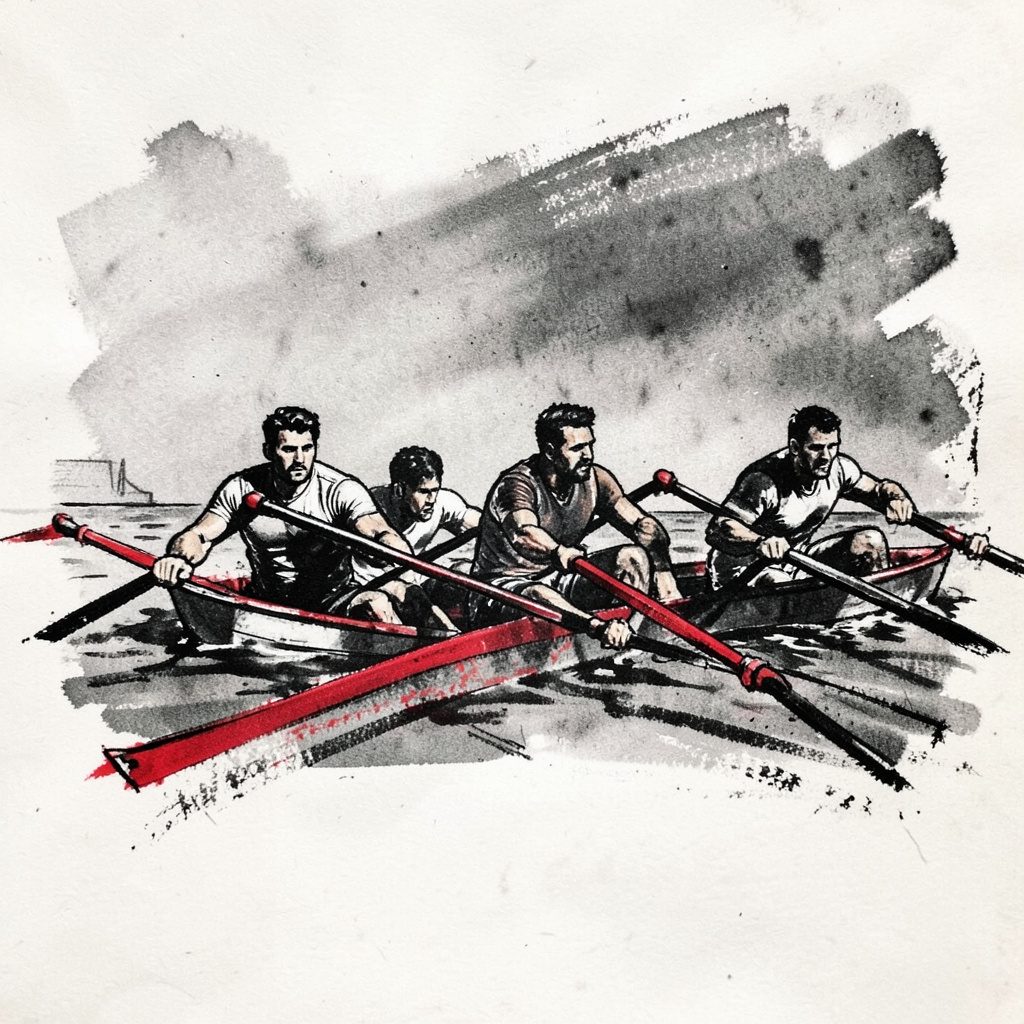
Clemson Sprints Weekend
Coverage and results from the team's trip to Clemson Sprints on Lake Hartwell.
Read More
A non-profit rowing team at the College of Charleston in Charleston, South Carolina.
Joining the College of Charleston crew team as a walk-on offers a route into collegiate rowing without a polished racing résumé. It suits someone with limited boat experience, or none, who wants to train, compete and belong to a crew. For Australians, the idea is simple: earn your place through participation.
CofC welcomes experienced rowers and beginners within a club program shaped by Charleston life. Racing across the Southeast and US East Coast means membership involves more than erg work: rowers learn a boat’s rhythm, support crewmates and adapt to American collegiate crew culture.
A walk-on normally joins without a prior formal offer. That does not mean skipping selection standards, coaching or safety requirements. CofC can consider beginners without rowing medals or extensive club backgrounds, while experienced rowers may already know sweep and sculling.
What matters is reliability and coachability. A prospective member must be ready for early mornings, repeated technical work and shared duties in the boathouse. The label describes the route in; it does not define the standard of performance once there.
A novice’s first days focus on confidence on the water. Instruction centres on the basic stroke, boat handling and balance. Reading coxswain’s calls and the boat’s run is as important as producing force with each oar.
Crew life also changes quickly. Seat changes, erg tests, team meals and boathouse banter create a shared identity, while older students often become the first teachers of novice rowers. For someone used to rowing alone in a club skiff, the shift to an eight is substantial.
Training combines on-water work with ergometer pieces, strength sessions and technical refinement. Beginners first learn how a sweep crew produces length and cohesion, then progress toward starts, race pacing and greater mileage. Experienced rowers can challenge the boat’s speed, but everyone learns the team’s system.
The body also needs to absorb repeated rotation and training loads. Conditioning helps, but so does sensible recovery. CofC’s guidance on lower-back stretches underlines why technique, mobility and listening to discomfort matter. Pain is not a badge of commitment, and persistent problems should be raised with the team’s medical or coaching staff.
The CofC regatta schedule shows the wider competitive setting: a club crew moving among regattas in the Southeast and along the US East Coast. Competition may involve travel, early starts and conditions unlike those encountered in an Australian home regatta.
A walk-on should not expect every outing to become a race trial. Early results can provide technical feedback, and coaches may place rowers according to development, boat balance and crew needs. The reward is often larger than a medal: learning to hold a rate, recover from a bad start and trust a call.
A side-by-side view clarifies the similarities and the differences.
| Element | Australian university or club rowing | CofC walk-on experience |
|---|---|---|
| Entry | Often a club trial, school pathway or university selection | Beginners and experienced rowers are welcome; a racing résumé is not essential |
| Training base | Sydney, Melbourne, Brisbane and other home-city waterways | College-based training with racing across Charleston, the Southeast and the East Coast |
| Season | Main racing period often aligns with the southern-hemisphere summer | North American collegiate competition centres on fall and spring |
| Culture | Club singlets, boatie traditions and volunteer-led support | Collegiate crew identity organised around the boathouse and team officers |
The comparison matters because Australian rowers may assume their local pathway is universal. Technical skills travel well, while calendar, selection culture and travel demands need attention. A flexible mindset helps, but Charleston rewards the same qualities valued in Australian club rowing: patience, discipline and team awareness.
Australian rowing provides useful reference points. Sydney Harbour and Melbourne’s Yarra are famous training grounds, while Brisbane and Hobart offer their own river and harbour cultures. The local university market includes prominent programs such as UTS, UNSW, Monash and the University of Queensland, alongside strong club traditions built around singlets, boatie banter and volunteer support.
Charleston changes the setting, not the sport. The racing calendar reverses, local regattas replace metro fixtures and a humid subtropical climate shapes training. The following distinctions help with the transition:
What transfers from Australian rowing
What changes in Charleston
For an Australian rower, the first season can feel like a parallel version of the sport. Equipment and technique remain familiar; calendar, travel and team customs are the part to study.
Coaches, student officers and experienced rowers create the support structure around a novice. Officers organise details and shared responsibilities, while coaches shape technique and performance. Fundraising also matters because a student club sustains boats, entries and equipment partly through member and supporter contributions.
The walk-on identity can fade as competence and trust grow, though it need not define a rower. CofC’s social channels, history and contact pages reveal the program and the people behind it. For an Australian used to local club pathways, Charleston offers a distinctly collegiate route built around commitment to the crew.
College of Charleston Crew fields competitive eights and fours in both Fall head races and Spring sprint regattas across the Southeast.
Learn MoreRecent news, recaps, and announcements from the team.
Coverage and results from the team's trip to Clemson Sprints on Lake Hartwell.
Read More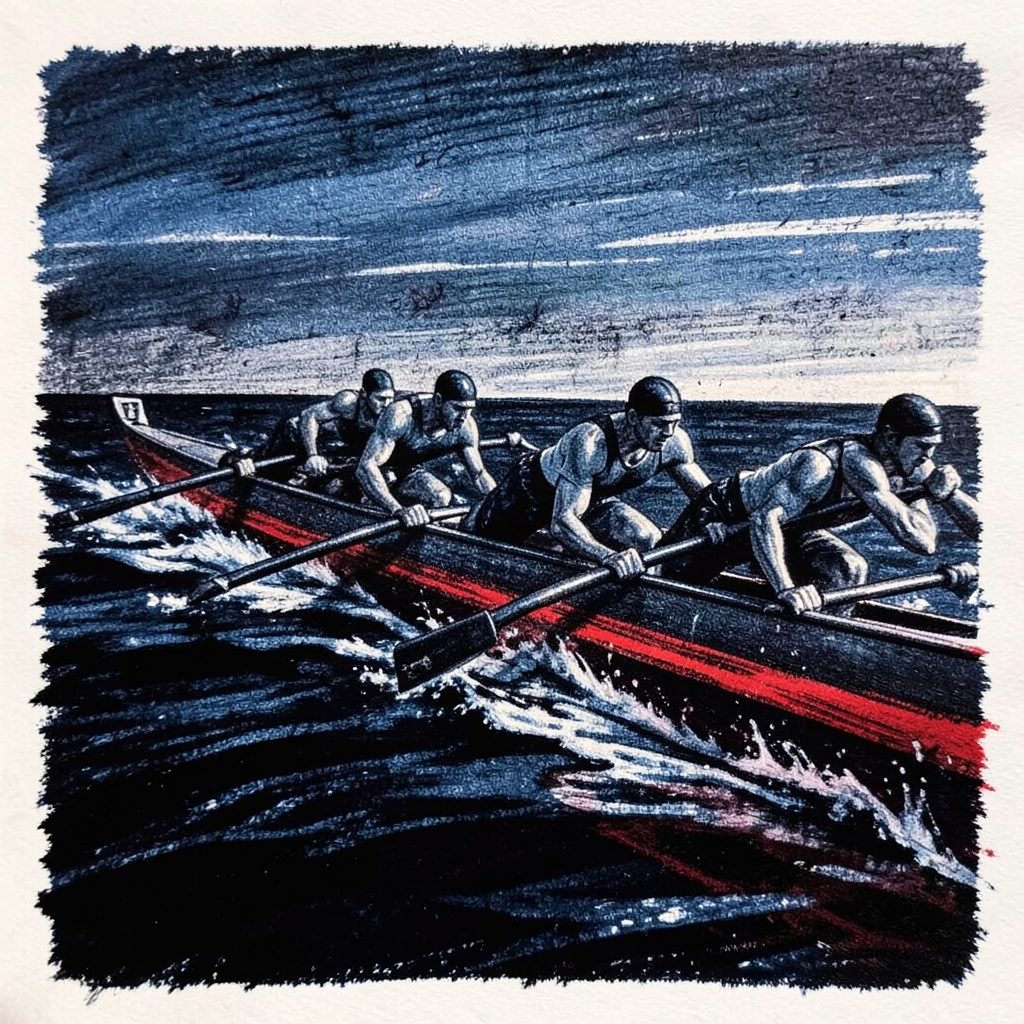
Spring lineup including Clemson Sprints, SIRA, Dad Vail, and ACRA National Championship.
Read More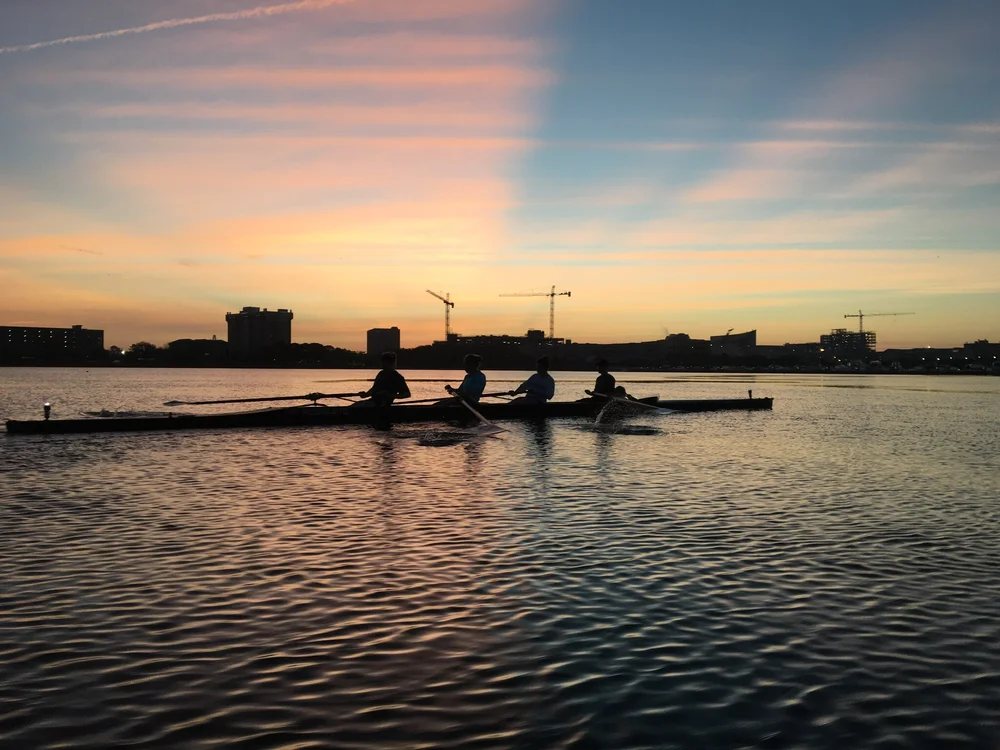
Previews and recap of past Head of the Charles appearances, including the 50th annual regatta in 2014.
Read MoreTeam practice, regatta dates, and meetings are listed on the team calendar. Coaches post weekly schedules and travel details for upcoming race weekends.
Charleston Crew / CCAA
PO Box 12941
Charleston, SC 29422
Email: info@cofccrew.org
Phone: 843.513.5900
Phone: 843.276.4241
Interested in joining the team? Fill out the recruitment form and the coaches will follow up.