Clemson Sprints Weekend
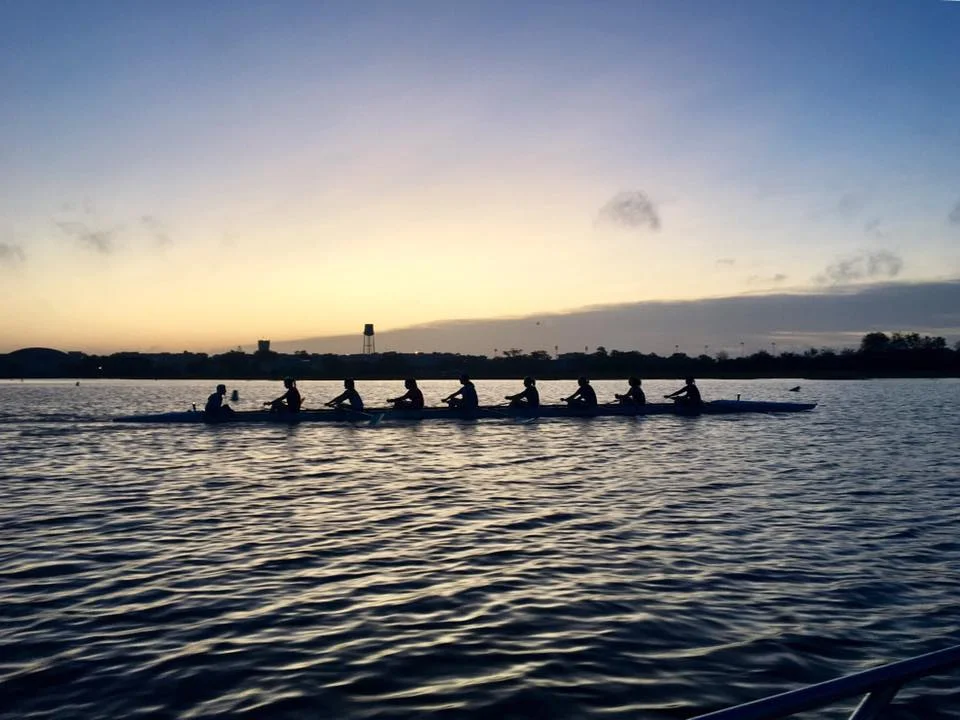
Coverage and results from the team's trip to Clemson Sprints on Lake Hartwell.
Read More
A non-profit rowing team at the College of Charleston in Charleston, South Carolina.
Attending the SIRA Championships for the first time can be exciting and nerve-wracking. Crews, coaches, families and supporters gather beside the water while racing moves through heats, possible repechages and finals. Collegiate rowing combines precise starts, fast boats and teamwork that matters more than individual glory.
College of Charleston’s crew team adds a welcoming club dimension, with places for experienced rowers and beginners. Spectators can follow the racing, meet athletes and learn how a student-led programme runs. This guide covers the championship experience and offers practical advice for Australians.
SIRA means Southern Intercollegiate Rowing Association. Its championship regatta brings programmes from across the Southeast and United States East Coast together. The schedule can include several boat classes and divisions, so check the official race list instead of assuming every crew races the same event.
The format usually begins with timed heats. Depending on the division and boat class, crews may return for a repechage before the final, while stronger line-ups race directly through. College of Charleston competes as a collegiate club programme, so course knowledge, communication and composure can matter as much as fitness.
Arrive early to understand the flow. Find the team area, finish area, rowing launch and results board, and note course restrictions. A coxswain steers and calls the crew, while sweep rowers each hold one oar and scull rowers hold two. Those terms make race commentary easier to follow.
Charleston can be warm and humid when the regatta is held, with rain possible, so prepare for changing conditions. Racers should arrive early enough for registration, safety instructions and boat assignment. Spectators should also learn where supporters can stand without interfering with crews or officials.
Bring sun protection, a hat, water, light layers and secure footwear. Keep phones and paperwork in a waterproof bag, and pack a spare shirt and warm layer. Sunscreen, hydration and shade are especially important in Charleston; an Australian habit of carrying an esky with cold drinks can also be useful between races.
Anyone considering joining can read about the fall roster process, which explains how the team recruits and welcomes new rowers. Contact the crew before the season if you need details about training, equipment, fees or fundraising.
A regatta course may look simple from the bank, but marked lanes, safety zones, launch procedures and turning areas all affect a smooth race. Stay behind barriers and follow marshals’ directions. Crews need a quiet approach and orderly launch, so spectators should avoid calling advice across the course.
During the start, watch how the boat settles onto its line and how the coxswain times the stroke. Beginners may notice a wobble that experienced spectators read as correction rather than collapse. Coaches often make small adjustments between pieces, so the second half can look different from the first.
Race etiquette extends beyond the finish. Give crews room as they dock, stay out of their path and keep phones away when athletes move boats. Applauding good rowing is welcome; respect for crews, volunteers and officials is even more important.
Travelling from Sydney, Melbourne or Brisbane means an international flight, a US connection and extra time for jet lag. Australian passport holders should check current United States visa requirements well before departure and allow a buffer for weather or missed connections. A Charleston spring championship also falls in Australia’s autumn, opposite to the local rowing calendar.
Australian rowing culture often brings together club rooms, team songs, a barbecue and shared snacks after racing. Charleston’s post-race gatherings may feel familiar, although food, tipping and venue customs are American rather than Australian. Ask a host where spectators can join the crew social, and expect conversation to centre quickly on the racing.
Charleston generally uses US dollars. Cards work at many shops and food outlets, but carrying a little cash helps with smaller vendors; check your Australian bank’s foreign-fee and exchange-rate terms first. Woolworths and Coles are familiar names in Australia, not Charleston, so buy race-day supplies locally rather than searching for Australian brands.
A championship weekend is rewarding even when your crew does not win. Watch a full race from the start, note the final results, and give athletes room to recover before asking for a photograph or conversation. The College of Charleston crew community is part of the experience, not just a backdrop to the regatta.
The team’s longer history shows what student rowing can become. The COFC alumni network shows how former members stay connected, mentor current students and share the programme’s development across generations.
Use this short checklist on the day:
That combination of preparation and attention to others lets a first-time visitor experience the sportsmanship behind the noise of the start.
College of Charleston Crew fields competitive eights and fours in both Fall head races and Spring sprint regattas across the Southeast.
Learn MoreRecent news, recaps, and announcements from the team.
Coverage and results from the team's trip to Clemson Sprints on Lake Hartwell.
Read More
Spring lineup including Clemson Sprints, SIRA, Dad Vail, and ACRA National Championship.
Read More
Previews and recap of past Head of the Charles appearances, including the 50th annual regatta in 2014.
Read MoreTeam practice, regatta dates, and meetings are listed on the team calendar. Coaches post weekly schedules and travel details for upcoming race weekends.
Charleston Crew / CCAA
PO Box 12941
Charleston, SC 29422
Email: info@cofccrew.org
Phone: 843.513.5900
Phone: 843.276.4241
Interested in joining the team? Fill out the recruitment form and the coaches will follow up.