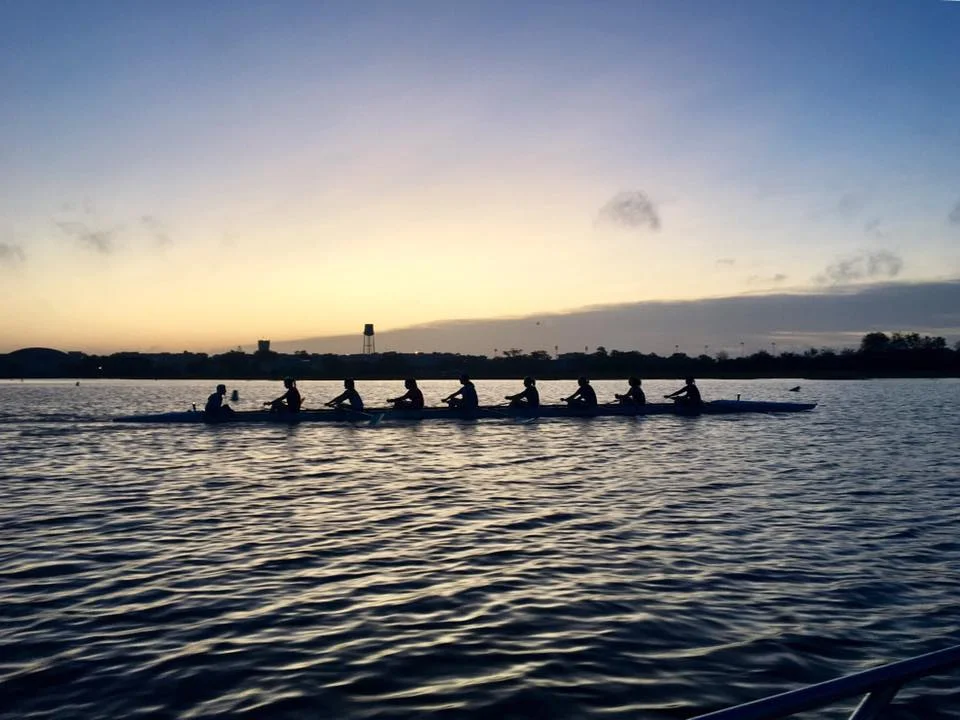
Clemson Sprints Weekend
Coverage and results from the team's trip to Clemson Sprints on Lake Hartwell.
Read More
A non-profit rowing team at the College of Charleston in Charleston, South Carolina.
The College of Charleston Crew Team welcomes students with strong rowing backgrounds and those trying it for the first time. A first practice is about orientation, safety and finding your footing, not proving you can race immediately. You will meet coaches, learn the club’s vocabulary and see how land practice connects to time on the water. Learn more about What S The Difference Between Sculling And Sweep Rowing Our Take.
Your first CofC Crew session may include a tour of the boathouse, instruction on the rowing machine, basic commands and a supervised introduction near the dock. Expect to listen, ask questions and make a few mistakes. Fitness helps, but coordination, balance and willingness to learn are more important on day one.
Most activity centres around the Cooper River and downtown Charleston. Check the current practice location and arrival instructions on the team homepage before travelling, because boathouse access and water sessions can differ from classroom activities. Arrive early enough to sign in, meet the coaching staff and hear the safety plan.
Australian readers should expect miles, feet and Fahrenheit on American schedules, so convert to kilometres, metres and Celsius for a familiar reference. Charleston summers bring heat, humidity and fast thunderstorms; the short afternoon storms may remind you of Queensland, although river water, salt and glare create their own challenges.
Club life here has more structure than the volunteer-heavy rowing sheds many Australians know around Sydney, Melbourne or the Gold Coast. Being relaxed and saying “no worries” when you need clarification fits the friendly culture, but treat safety directions seriously. Team fundraising is usually handled in US dollars, so check your card’s AUD conversion and foreign-transaction fee before donating.
Crew boats divide the work in two. In sweep rowing, each rower handles one oar; in sculling, each person uses two shorter oars. The sculling and sweep rowing explain the difference clearly and are useful before you visit the boathouse. A cox steers, calls instructions and helps everyone keep rhythm, so you do not need to memorise every term immediately.
Basic calls include “stroke,” “set,” “ready” and “go,” while coaches may discuss blade, handle and recovery. New rowers often practise the motion on an erg before taking a shell onto the river. Command words can sound blunt, especially to an Australian ear accustomed to understatement, but they are timed cues rather than criticism.
Before anyone boards, the coach should cover life jackets, boat handling, launch procedures and what to do if weather or water conditions change. Follow instructions when handling oars and remain with your crew and coach. If you are uneasy in deep water or have a medical concern, say so privately so the session can be adapted safely.
Charleston’s tidal water and boat traffic deserve respect, and summer storms can interrupt a session quickly. Ask whether the plan involves the river or sheltered water, and do not launch when staff advise waiting. Wear a hat, sunscreen and a light rain layer; carry water, because heat and humidity can make a seemingly easy row feel much harder.
A typical session moves from preparation and technique to a higher-intensity piece, then cool-down and team discussion. The first outing may spend more time on strokes, exits and communication than on continuous rowing. Coaches often correct one point at a time so a novice can settle into the rhythm instead of changing everything at once.
Teamwork is immediate because boats are narrow and synchronised. Listen for the cox, respond to your side and keep your voice up; feedback belongs to the crew, not to one person. Experienced rowers usually model the standard, but beginners are expected to learn it. The friendly banter common in Australian sport usually carries over once the hard work begins.
The programme also shares short-form material between practices. For an example of organising content around three visual slots, see the site’s three reel slots strategy.
A light, practical kit prevents first-day friction:
Afterwards, reset the equipment as directed and keep track of what you learned:
Your first row may feel awkward, but stepping into a boat, following a call and completing a stroke with your crew is enough for a successful opening session. That shared rhythm is the part the College of Charleston Crew Team is built around.
College of Charleston Crew fields competitive eights and fours in both Fall head races and Spring sprint regattas across the Southeast.
Learn MoreRecent news, recaps, and announcements from the team.
Coverage and results from the team's trip to Clemson Sprints on Lake Hartwell.
Read More
Spring lineup including Clemson Sprints, SIRA, Dad Vail, and ACRA National Championship.
Read More
Previews and recap of past Head of the Charles appearances, including the 50th annual regatta in 2014.
Read MoreTeam practice, regatta dates, and meetings are listed on the team calendar. Coaches post weekly schedules and travel details for upcoming race weekends.
Charleston Crew / CCAA
PO Box 12941
Charleston, SC 29422
Email: info@cofccrew.org
Phone: 843.513.5900
Phone: 843.276.4241
Interested in joining the team? Fill out the recruitment form and the coaches will follow up.