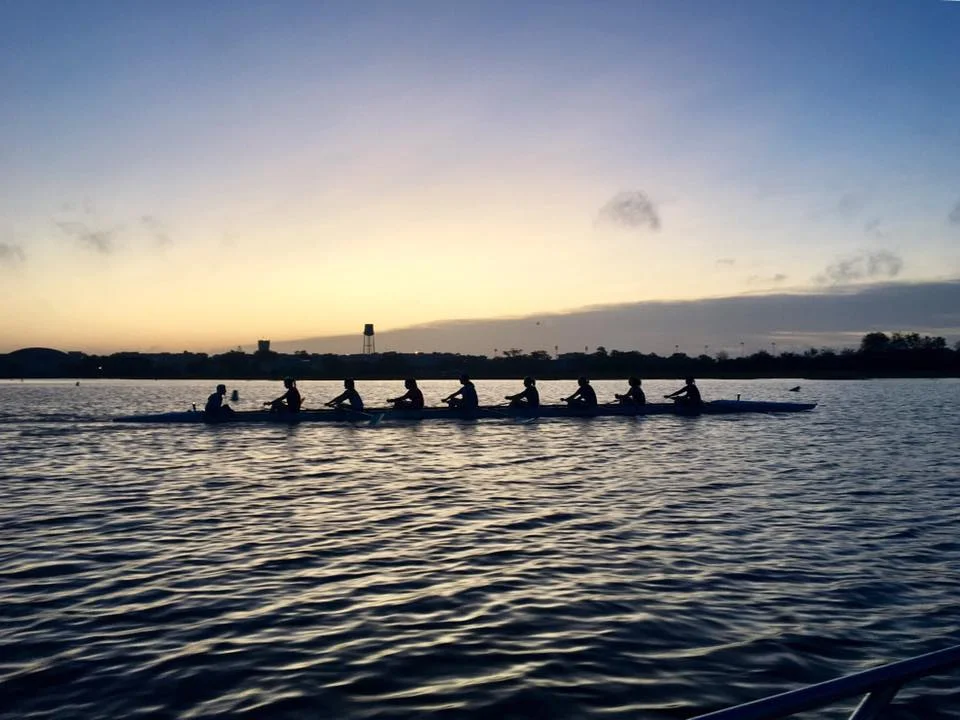
Clemson Sprints Weekend
Coverage and results from the team's trip to Clemson Sprints on Lake Hartwell.
Read More
A non-profit rowing team at the College of Charleston in Charleston, South Carolina.
Pack for the conditions, sport and distance from home. A regatta day bag should keep clothing dry, food usable and gear secure as you move between the boathouse, trailer and riverside. Leave race-day decisions to the crew and coach.
Charleston can be warm and humid beside the Cooper River, with a cool breeze, sudden rain or intense sun appearing within a few hours. Australian rowers often check a forecast quickly, but local conditions remain more useful than assumptions based on Sydney or Melbourne.
Novices should pack frequently used items, while experienced members focus on personal preferences and shared equipment. Use separate waterproof pouches for electronics, documents and food, and label everything before loading the vehicle.
Most regattas run longer than expected once travel, rigging and queueing are included. Lightweight redundancy is safer than one bulky item left behind. Keep essential gear within reach and everything else organised.
Start with a breathable base layer, training top and lightweight trousers or shorts. Keep race kit separate from warm-up clothes. Cotton absorbs water and stays cold, while quick-drying technical fabric or merino handles Charleston’s humidity and an unexpected shower more comfortably.
Sun protection deserves dedicated space. Pack a broad-brimmed hat, sunglasses with a strap, SPF 50+ sunscreen and SPF lip balm. These reflect common Australian sun-smart habits and work well at a US regatta, especially when the river reflects afternoon glare.
Add a packable waterproof shell and one warm mid-layer for a cool morning or air-conditioned venue. Melbourne’s famously changeable forecasts make this habit familiar, yet even a Sydney summer can turn unusually brisk beside the water after sunset.
Follow the crew’s equipment list for assigned oars, bow balls, seat numbers, coxswain equipment and any required personal kit. Do not assume every member supplies the same items. A compact drawstring bag can hold clothing and race hardware without taking up space around the shell.
First-time rowers considering the College of Charleston can read about joining as a novice before buying specialist gear. Current team guidance will show which items are provided and which each athlete should own.
Include spare laces, anti-chafe balm, a small towel and a second pair of socks in a labelled waterproof pouch. A repair kit with duct tape, cable ties and approved tools can prevent a minor rigging issue from delaying a launch.
Breakfast should be familiar, carbohydrate-focused and easy to digest. Oats with banana, a muesli bar and plenty of fluid are practical choices. Australian supermarkets such as Woolworths and Coles make it easy to stock wraps, fruit, electrolyte sachets, nuts and lollies for longer race days.
Avoid a large greasy meal immediately before racing. Choose food that can be eaten quickly between sessions, keep perishable items chilled and pack rubbish bags for cleanup. Everyone should carry their own bottle, and race officials may restrict shared drinks near launches.
Carry identification, entry confirmation, emergency contacts, medication and any travel insurance details. When flying from Australia to the United States, check visa and entry requirements early. Keep medicines in their original packaging and review both Australian departure and US customs rules before travelling.
For electronics, use a waterproof pouch with a seal, not merely a zip-top bag. Pack a charging cable, compact power bank and plug adapter: Australian plugs are generally Type I, while US outlets commonly use Type A and Type B. Download maps and documents before leaving home in case mobile service is unreliable.
The crew’s overview of cross-training workouts for rowers can help athletes build strength without compromising recovery. Use the final week to reinforce movement patterns already tested in training, maintain sleep and avoid sudden changes to nutrition. Warm-up clothes and footwear belong beside the race kit.
A regatta often demands more waiting than training, so use spare time for a gentle warm-up rather than extra intensity. Check the schedule, water access and weather again on race morning, and keep the kit bag closed between sessions.
If racing or watching at Hanahan Landing, arrive early enough to find parking, unload and reach the team area without rushing. Confirm the venue, launch time and parking arrangements in the event information, and keep your boat bag accessible rather than buried beneath general luggage.
Build in an extra layer for travel from Sydney or Melbourne, where a flight can add a day and a whole climate change. Charleston summers are hot and humid, so use a light rain shell rather than heavy waterproof gear. Check the local forecast, river conditions and race notices on the morning of the event.
A practical final check takes less than five minutes:
Check the boat list, weather forecast and departure time before leaving. A clean, organised bag makes it easier to find the right item, lend a teammate what is needed and return home ready for the next session.
College of Charleston Crew fields competitive eights and fours in both Fall head races and Spring sprint regattas across the Southeast.
Learn MoreRecent news, recaps, and announcements from the team.
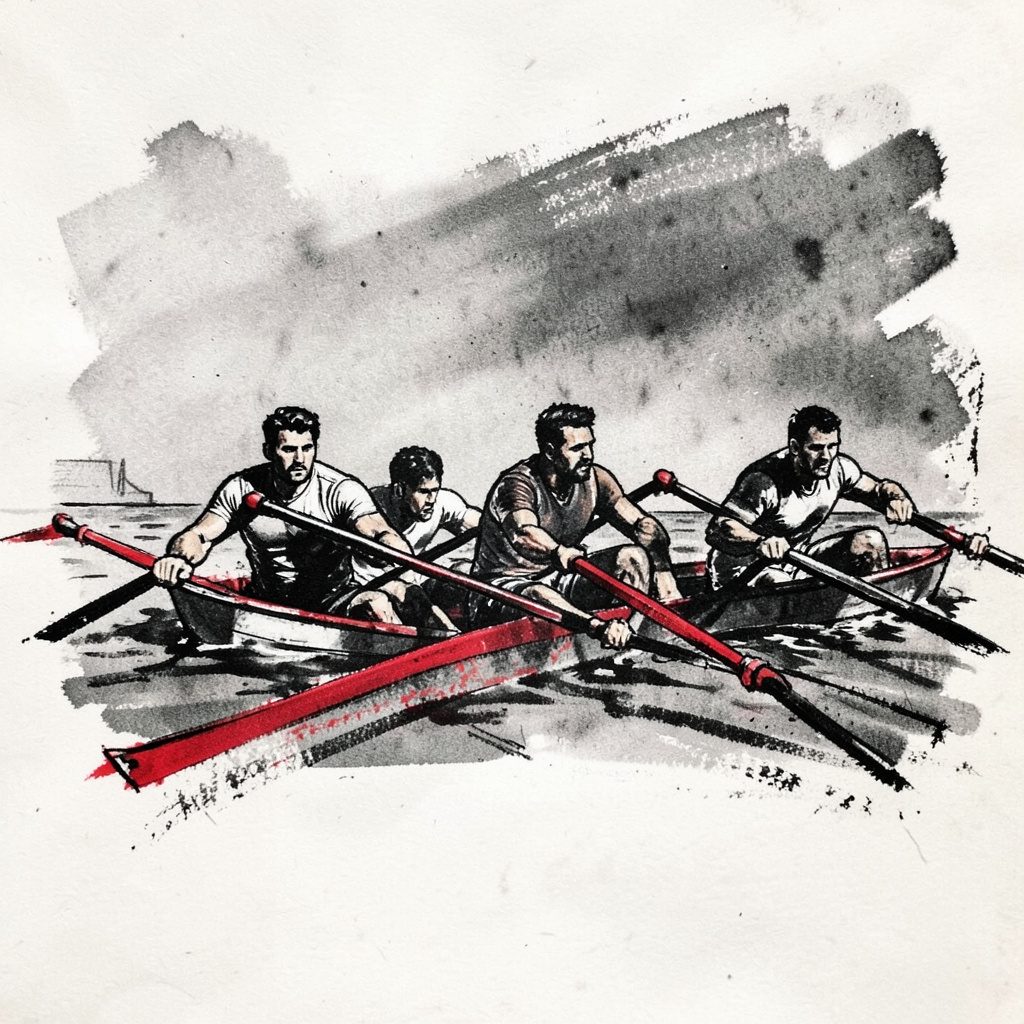
Coverage and results from the team's trip to Clemson Sprints on Lake Hartwell.
Read More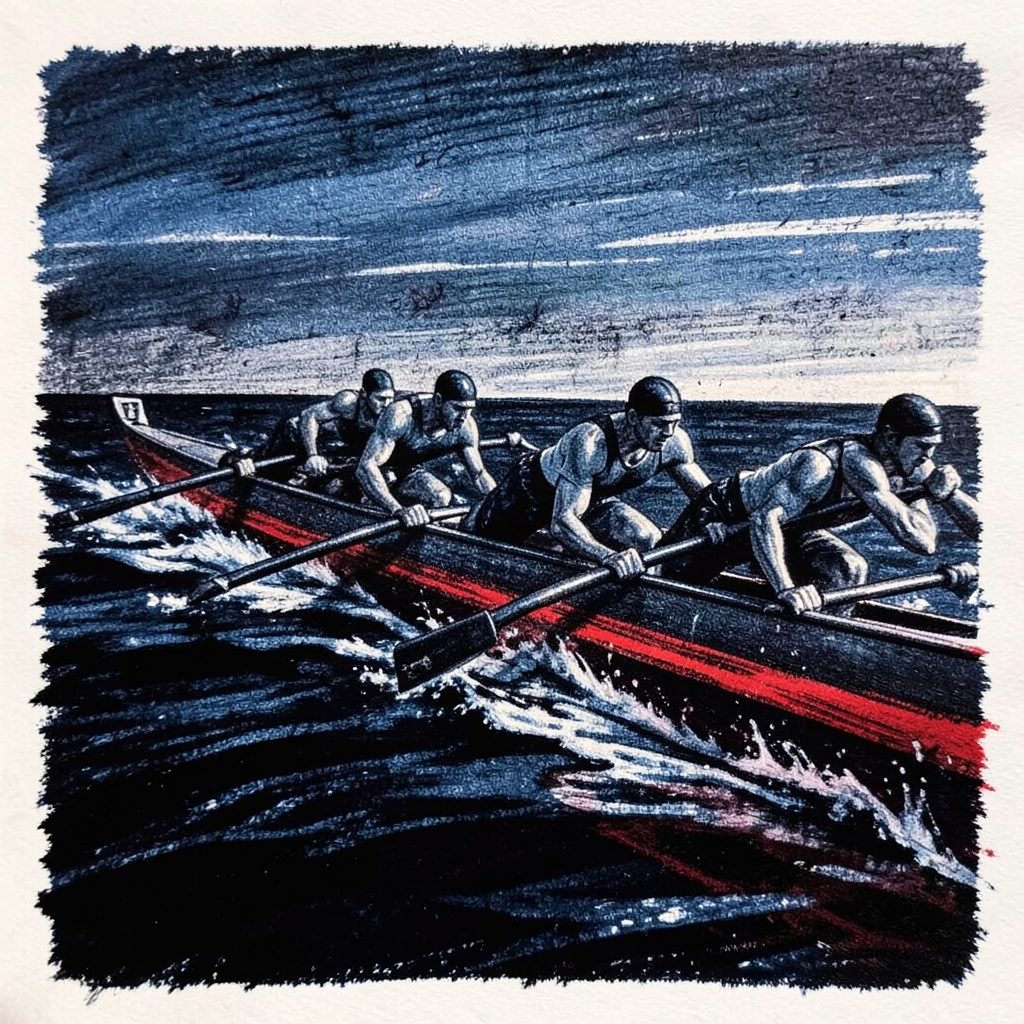
Spring lineup including Clemson Sprints, SIRA, Dad Vail, and ACRA National Championship.
Read More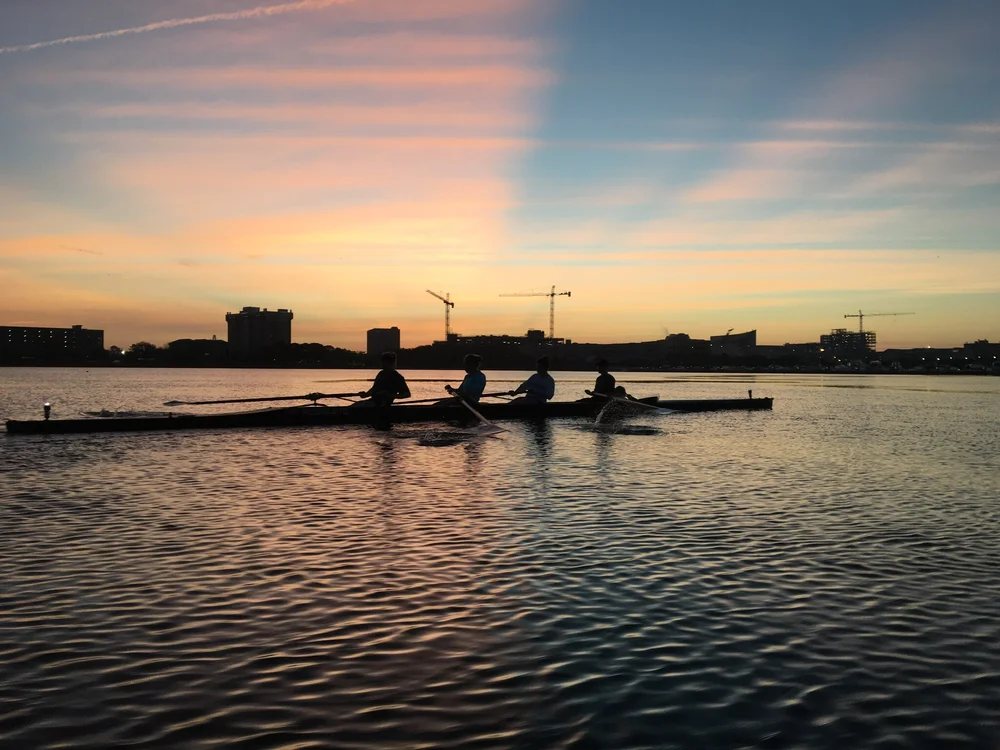
Previews and recap of past Head of the Charles appearances, including the 50th annual regatta in 2014.
Read MoreTeam practice, regatta dates, and meetings are listed on the team calendar. Coaches post weekly schedules and travel details for upcoming race weekends.
Charleston Crew / CCAA
PO Box 12941
Charleston, SC 29422
Email: info@cofccrew.org
Phone: 843.513.5900
Phone: 843.276.4241
Interested in joining the team? Fill out the recruitment form and the coaches will follow up.