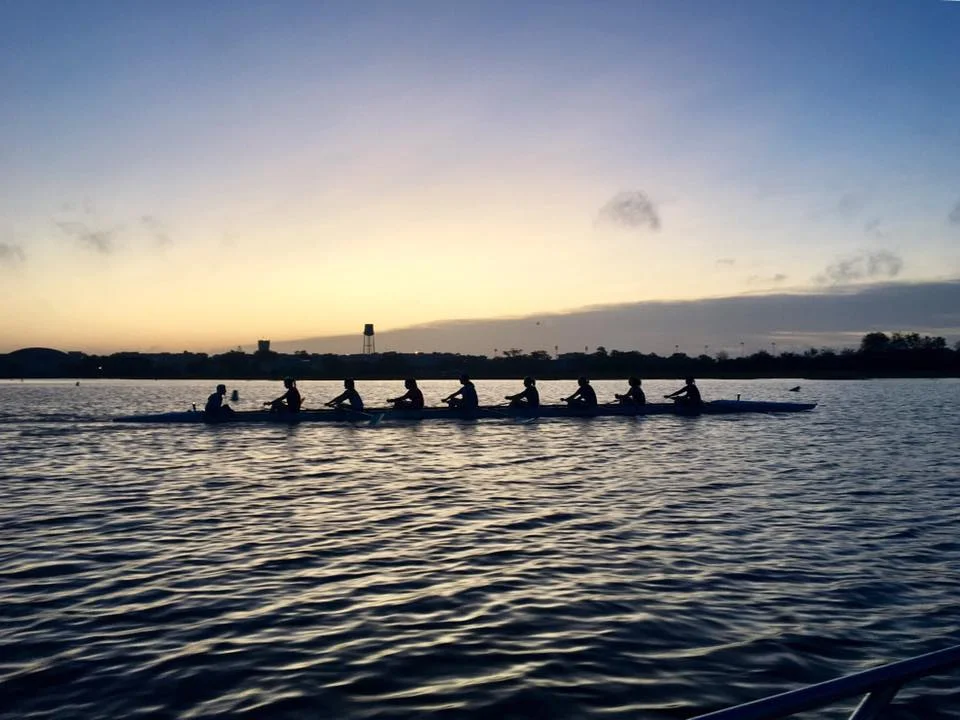
Clemson Sprints Weekend
Coverage and results from the team's trip to Clemson Sprints on Lake Hartwell.
Read More
A non-profit rowing team at the College of Charleston in Charleston, South Carolina.
College of Charleston rowers can reach two very different tidal waterways from the city. The Ashley runs beside the College’s downtown rowing base; the Cooper forms part of the wider harbour system. For a club that trains regularly and welcomes new rowers, those names mean very different working conditions on the water.
Choosing home water is not about declaring one river better. It is about finding a place where athletes can learn safely, launch reliably and repeat good technique as tides and weather change. The Ashley offers that combination, while the Cooper introduces greater exposure to wind, open water and commercial traffic.
The Ashley is narrower and more sheltered through central Charleston than the open approach towards the Cooper. Crews can work along a defined stretch without entering the main navigation area for larger vessels. By contrast, the Cooper links the Ashley and Wando waterways with Charleston Harbour, where the scale of the water and the movement of traffic change quickly.
For rowers, this is not merely scenery. A sheltered corridor supports repeated starts, steady pieces and controlled coaching. Open water demands more attention to course position and boat control. The geography therefore shapes how much of a session can be spent learning technique rather than managing the conditions.
A regular practice needs a predictable place to gather, put boats on the water and return them. The Ashley corridor lets the College of Charleston crew keep that routine close to campus and the city, reducing travel time and preserving training time for strokes, communication and fitness. That is especially useful for beginners who are still learning how to handle launches, blades and balance.
Tides still matter, and the river is not an indoor pool. Wind, branches and moving water give rowers something to solve. The difference is that these demands sit within a manageable setting for coached development rather than a broader, busier waterway. The first practice guide explains what newcomers should expect from equipment, instruction and the crew’s approach.
The Cooper and its harbour approaches expose crews to larger vessels, stronger tidal streams and more open wind. Those conditions are not inherently unsafe, but they demand greater attention to boat handling and situational awareness than a beginner should be asked to absorb in a first session. A wide river also offers fewer convenient places to regroup after a mistake.
That does not make the Cooper unusable. It makes it a different environment, better suited to confident crews, planned outings and appropriate race conditions. A collegiate club has a different responsibility: teach sound rowing, look after equipment and return athletes safely. The Ashley supports that responsibility more consistently from one session to the next.
Training here still presents genuine challenges. Tides shift the flow, wind can turn during a piece, and launch technique matters when crews are ready to improve. Instead of avoiding variation, rowers learn to read it. They adjust pressure, length and balance, and develop coordination with the coxswain when a boat is not moving perfectly.
Those skills travel. A crew that can settle into a rhythm on the Ashley will be better prepared for the quicker water and different weather encountered at regattas along the East Coast. The river becomes a practical classroom, with each session adding another layer of confidence.
College of Charleston competes throughout the Southeast and along the United States East Coast. Race-day preparation happens well beyond Charleston, but regular practice still needs a reliable home base. Moving every workout across the country would waste energy and interrupt the team’s shared development.
Current race dates and venues are listed in the regatta calendar. It lets supporters follow the crew’s progress and prospective athletes see the programme beyond weekly practice. Since venues and conditions change, the adaptability developed on the Ashley remains valuable wherever the team races.
The team schedule gives current arrival times and session locations. Bring water, sunscreen and a hat, because Charleston’s summer heat and strong ultraviolet exposure deserve respect even when a river breeze makes the temperature feel deceptively pleasant.
Australian readers will recognise the rhythm of a volunteer-supported club, shared equipment and community fundraising, even if local slang calls the afternoon the arvo. Paddling on the Parramatta or the Yarra offers useful parallels, but the rowing language is similar too: be on time, follow the coxswain and lend a hand where needed.
Before joining a session, it helps to:
Those habits keep a first outing straightforward and give the coaching crew the information it needs to make safe, useful training plans.
College of Charleston Crew fields competitive eights and fours in both Fall head races and Spring sprint regattas across the Southeast.
Learn MoreRecent news, recaps, and announcements from the team.
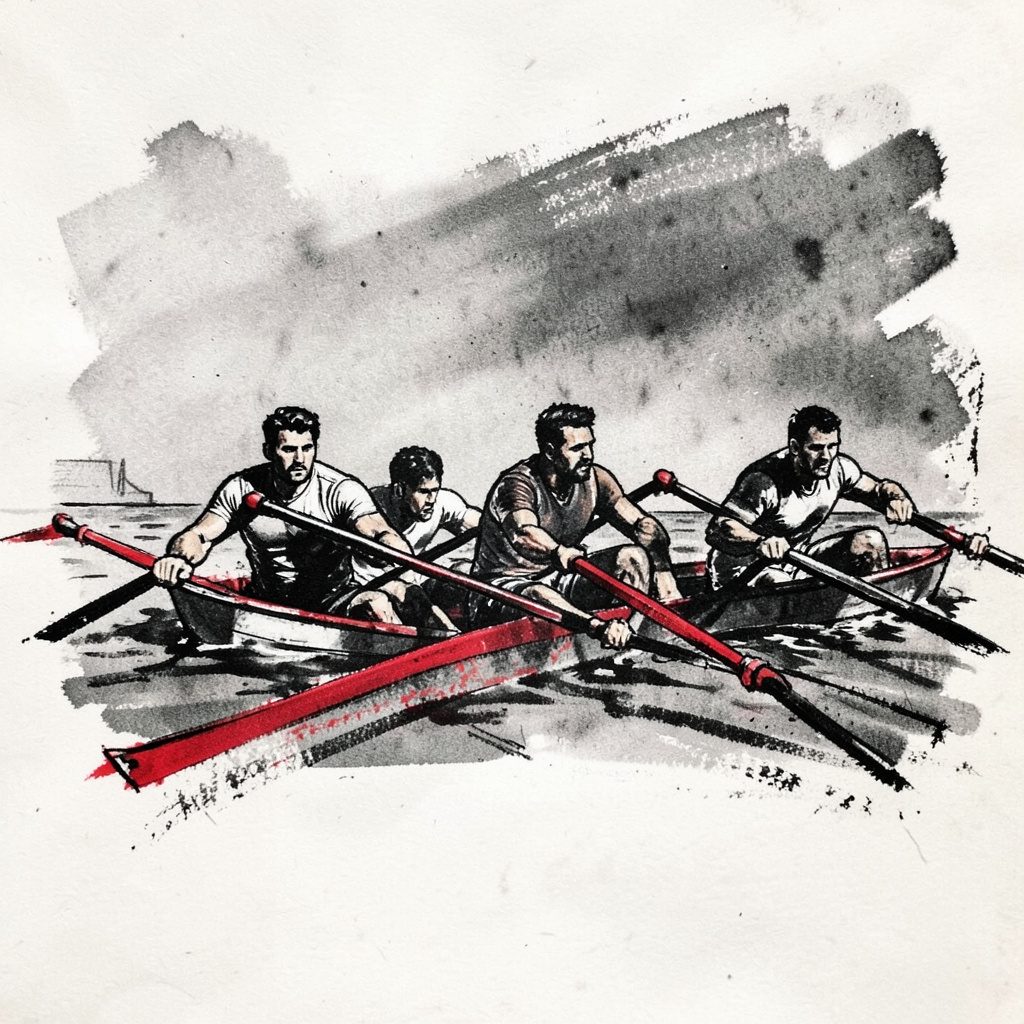
Coverage and results from the team's trip to Clemson Sprints on Lake Hartwell.
Read More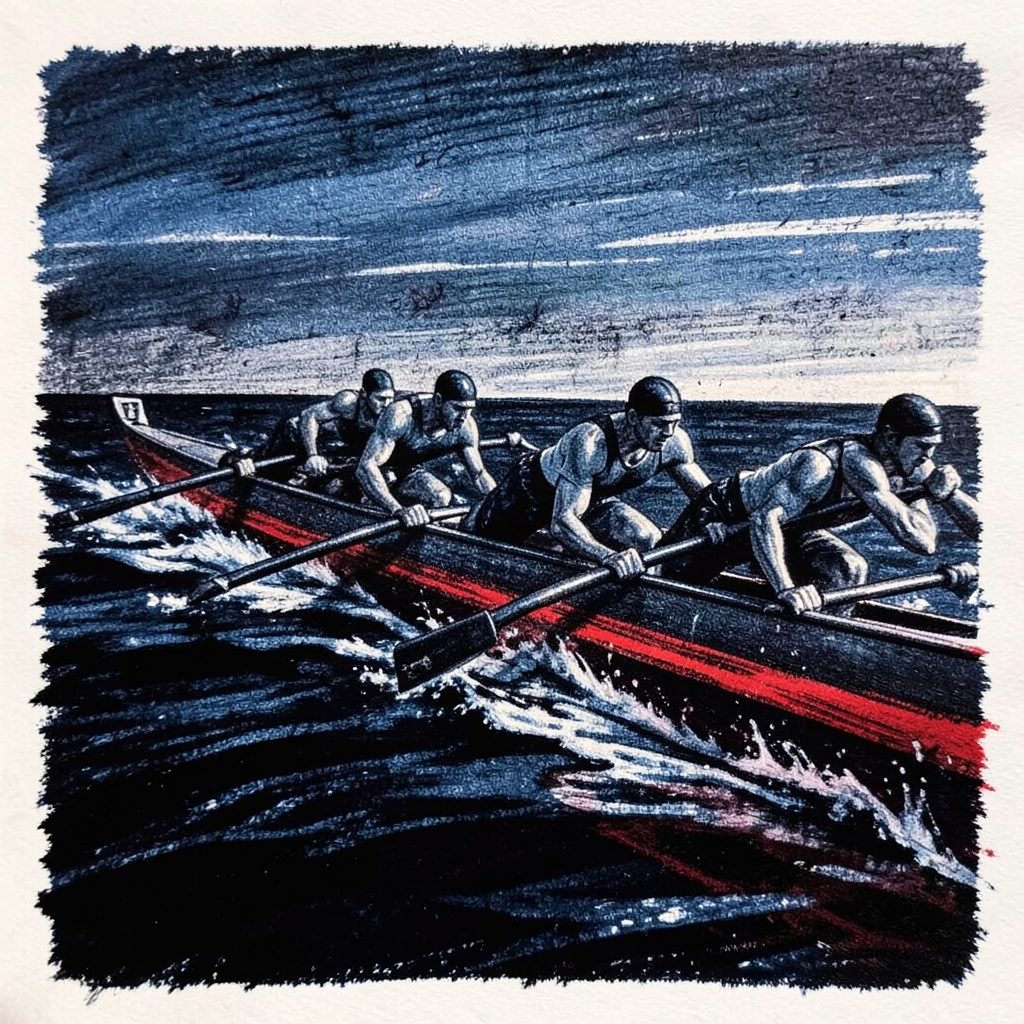
Spring lineup including Clemson Sprints, SIRA, Dad Vail, and ACRA National Championship.
Read More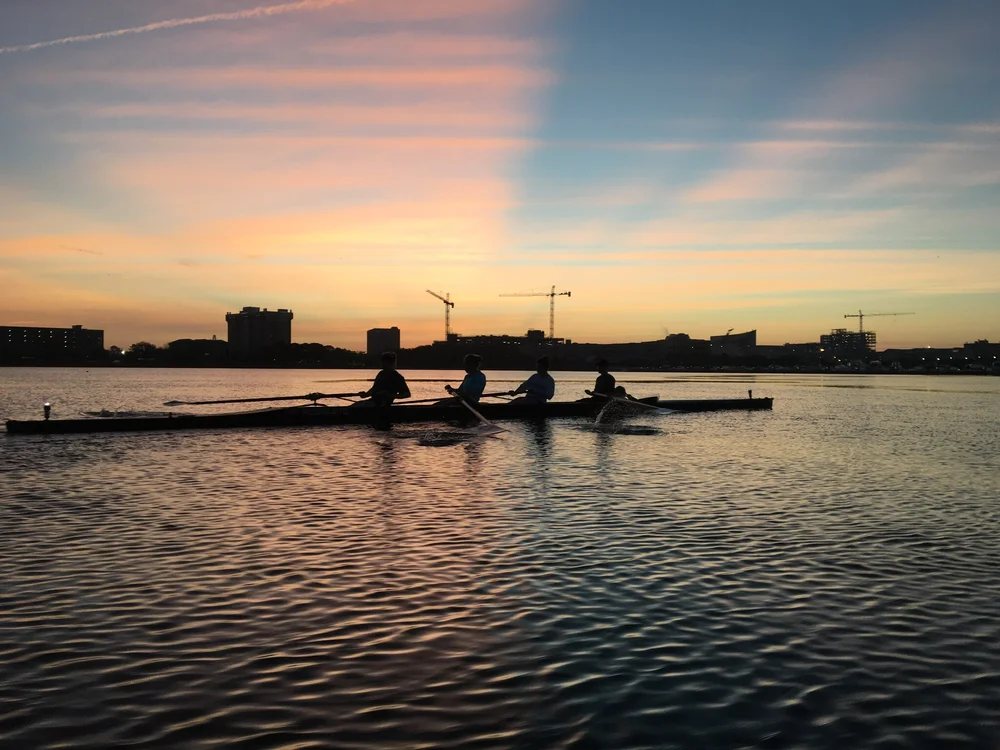
Previews and recap of past Head of the Charles appearances, including the 50th annual regatta in 2014.
Read MoreTeam practice, regatta dates, and meetings are listed on the team calendar. Coaches post weekly schedules and travel details for upcoming race weekends.
Charleston Crew / CCAA
PO Box 12941
Charleston, SC 29422
Email: info@cofccrew.org
Phone: 843.513.5900
Phone: 843.276.4241
Interested in joining the team? Fill out the recruitment form and the coaches will follow up.