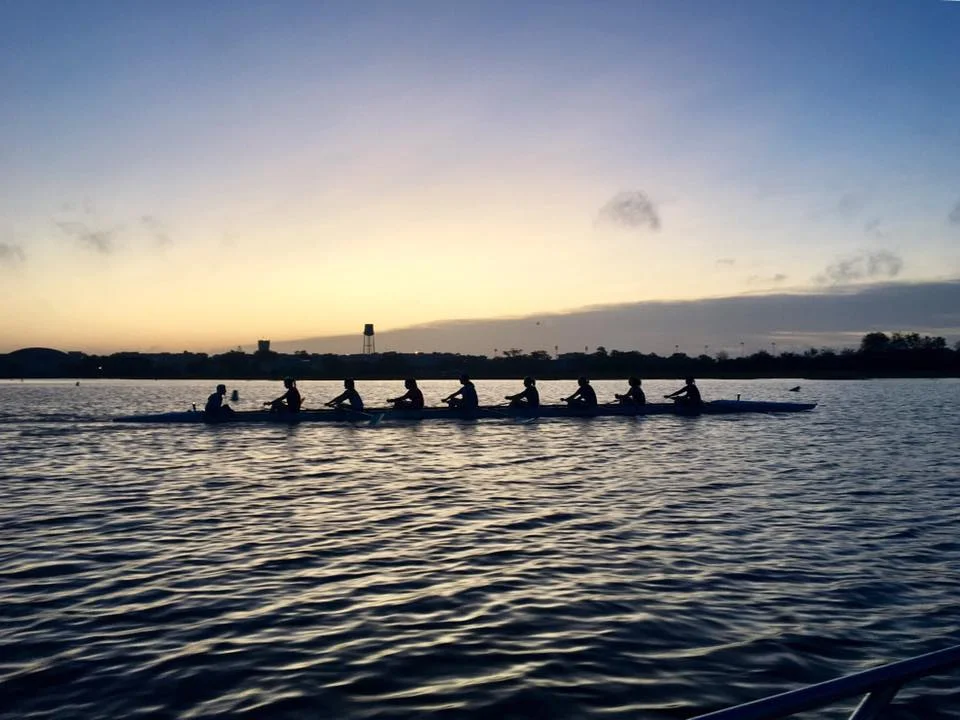
Clemson Sprints Weekend
Coverage and results from the team's trip to Clemson Sprints on Lake Hartwell.
Read More
A non-profit rowing team at the College of Charleston in Charleston, South Carolina.
A reliable rowing partner turns an assigned seat into a durable partnership, rather than simply mirroring your racing record. The strongest pairing shares a training rhythm, communicates honestly and makes the other person feel stronger on the water. That matters for the College of Charleston Crew Team, based in Charleston, South Carolina, where experienced rowers and beginners train, race and learn together.
Begin with the week you actually live, rather than an imaginary perfect crew. Similar goals do not mean identical skills: a competitive athlete and a novice can share a commitment to consistency and improvement. Compare training days, recovery needs, academic pressure and the kind of competition that excites you. Clear expectations help coaches place athletes in a boat that fits their goals while keeping the squad competitive at regattas across the Southeast and along the US East Coast.
A useful first conversation is about calendars, not seats. A rower chasing a personal best may want a partner who protects sleep and raises intensity; a novice may value steady technique, encouragement and consistent attendance. Learning how a COFC athlete manages class and regatta balance can make that discussion concrete when exams, travel and early practices overlap.
Name the priority in plain language: race hard, improve technique, stay fit, learn the sport or enjoy the crew experience. These goals can coexist, but they affect how often someone wants to train and how they respond when a session goes badly. Australian rowers may notice the seasonal contrast, as many clubs build their main racing calendar around spring and summer while Charleston athletes fit training around US semesters and exams.
Effort is easiest to judge in the boat. Look for punctuality, willingness to follow the plan and an ability to offer feedback without turning every imperfect stroke into a personal verdict. An experienced rower can steady a beginner; a beginner can still contribute by learning quickly, asking questions and staying present through a long piece.
Communication style matters as much as ability. In Australian rowing, the boat shed is both storage and a social hub beside places such as Sydney Harbour or Melbourne’s Yarra River, so crews often use quick, practical exchanges rather than long speeches. Australian club language can be compact: you right? checks in with a training partner, while no worries can signal that a missed connection or awkward start is manageable. The informality works because respect remains clear.
Before discussing seat order or race entries, make water safety a shared value. Every rower should know the boat’s rules, basic rescue procedure and personal limits, and every new member must complete the required swim check. The COFC explanation of swim test requirements gives useful context: confidence in the water is not an extra credential for serious athletes; it is part of responsible participation.
Technique is another form of care. A partner who notices a rushed release, collapsed posture or poor connection can share the correction early, before fatigue turns it into strain. Practise the slide, seat setup and recovery together, then compare how you feel at full pressure with how you feel on an ergometer. Familiarity builds trust, and trust helps athletes respond calmly when the water is cold, the race is tight or the weather changes.
Begin with a short trial rather than a full-speed commitment. Row a familiar course, change the stroke rate, practise starts and observe whether each person can make the agreed adjustment. A strong boatmate stays constructive when the outing is uncomfortable and does not blame the other person for every missed connection.
Use one or two technical cues during the trial, such as finishing the slide or settling into a repeatable recovery. The team’s focused advice on sliding seat timing gives a practical topic for that conversation. Then compare the experience with a planned regatta: Charleston crews travel throughout the Southeast and East Coast, so reliability, recovery and willingness to race a full lineup matter as much as raw speed.
After a successful trial, check in briefly following selected sessions. Ask whether the training plan still works, whether recovery is being taken seriously and whether feedback needs a different approach. Keep seat selection open enough for coaches and student officers to respond to form, availability and squad needs, while giving the partnership a clear basis for trust.
Many Australian rowing associations are volunteer-run community clubs rather than commercial operations: membership fees, fundraising, sponsorship and social events pay for boats, coaching and travel. COFC’s regatta schedule, coach information, social channels, fundraising details and contact options give students clear ways to find support. When teammates share the practical work and emotional load, a boatmate becomes a steady engine behind better rows and a stronger crew community.
College of Charleston Crew fields competitive eights and fours in both Fall head races and Spring sprint regattas across the Southeast.
Learn MoreRecent news, recaps, and announcements from the team.
Coverage and results from the team's trip to Clemson Sprints on Lake Hartwell.
Read More
Spring lineup including Clemson Sprints, SIRA, Dad Vail, and ACRA National Championship.
Read More
Previews and recap of past Head of the Charles appearances, including the 50th annual regatta in 2014.
Read MoreTeam practice, regatta dates, and meetings are listed on the team calendar. Coaches post weekly schedules and travel details for upcoming race weekends.
Charleston Crew / CCAA
PO Box 12941
Charleston, SC 29422
Email: info@cofccrew.org
Phone: 843.513.5900
Phone: 843.276.4241
Interested in joining the team? Fill out the recruitment form and the coaches will follow up.