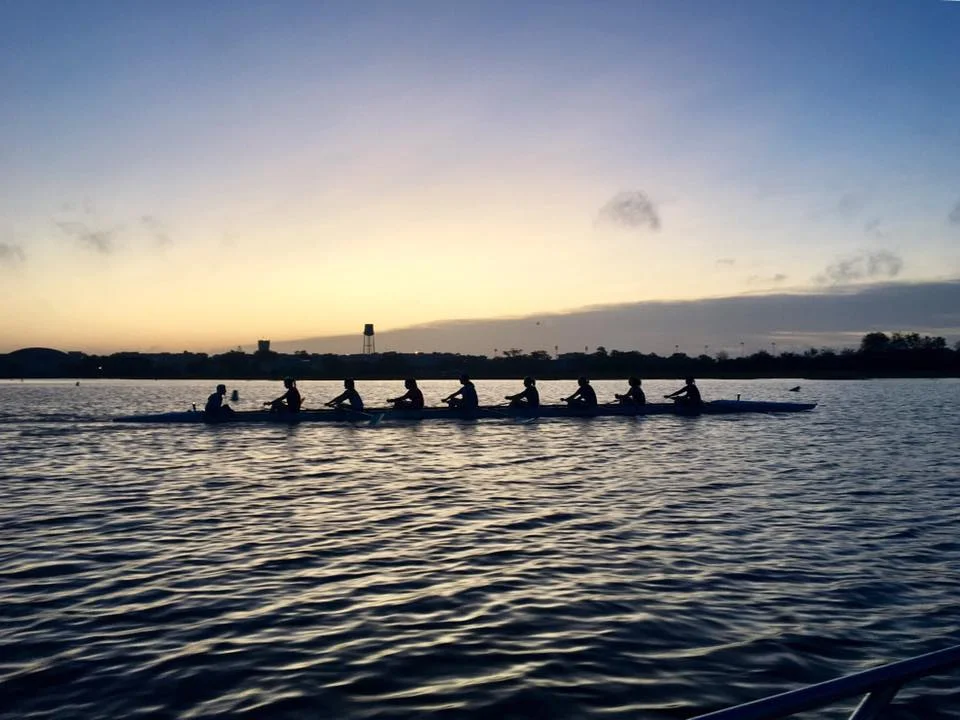
Clemson Sprints Weekend
Coverage and results from the team's trip to Clemson Sprints on Lake Hartwell.
Read More
A non-profit rowing team at the College of Charleston in Charleston, South Carolina.
In rowing, the recovery is the moving bridge between one drive and the next. A crew can produce impressive power at the catch, yet lose boat speed when rowers rush forward, open their bodies too early or allow their seats to drift out of sequence. Coordinating the sliding seat is therefore a shared skill rather than an individual movement.
For Australian rowers, the same principles apply whether training on the Yarra, racing on Sydney Harbour or adapting to a hot Queensland morning. The College of Charleston Crew Team welcomes beginners alongside experienced athletes, making clear recovery timing especially valuable: a consistent rhythm gives new rowers a reliable framework while helping seasoned crews refine their efficiency.
The recovery begins as the blade comes out of the water. Hands move away first, the body swings over from the hips, and the knees then rise as the seat rolls towards the stern. This sequence keeps the boat level and gives every crew member enough space to reach the catch together.
A rushed recovery makes the hull check, or slow down, at the very moment it should be gliding. If one rower slides faster than the others, the boat receives uneven pressure through the foot stretchers and runners. The result is a noisy shell, mistimed catches and extra effort for the entire crew.
Many crews try to improve by increasing stroke rate, but a faster recovery is useful only when the order of movement remains stable. Start with a comfortable pace and count the rhythm: hands away, body over, slide. The exact count may change with boat class and conditions, but the sequence should feel repeatable.
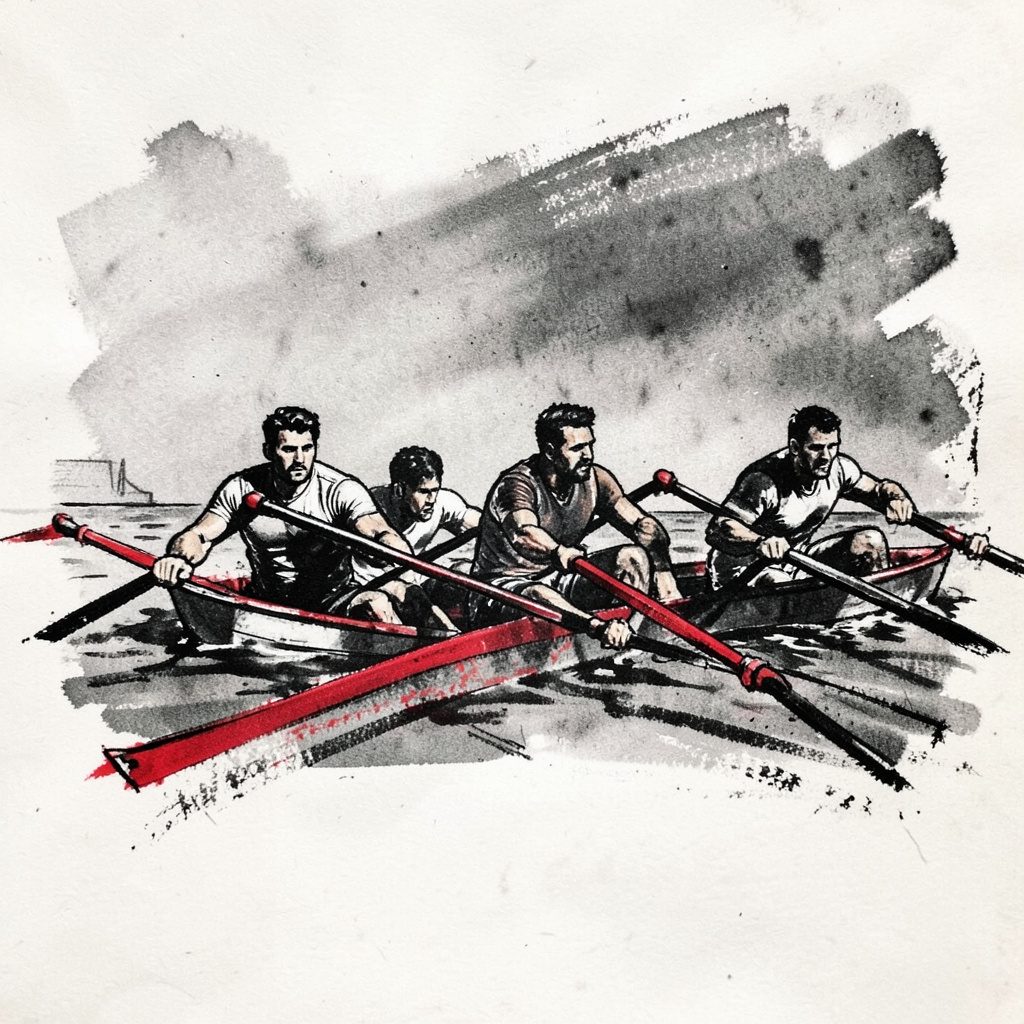
A steady ratio between drive and recovery is a practical target. The drive is compact and powerful; the recovery is relaxed and controlled. Crews racing around Melbourne or Newcastle may face different wind and current patterns, yet the boat still benefits from patience after each stroke. Crew training photos can help rowers observe posture, handle height and seat position from outside the boat.
The sliding seat should follow the hands rather than lead them. If the seat moves before the arms have cleared the knees, the rower compresses too early and may catch the water behind the intended front position. Keeping the shoulders relaxed and the shins vertical at the end of the recovery creates a clear pause before the next drive.
Coxswains and coaches can use simple technical calls such as “hands away,” “body over” and “slow slide.” These cues are more effective when they describe one precise action at a time. In an Australian university crew, where training groups may include athletes with different rowing backgrounds, shared language helps everyone recognise the same checkpoints.
The hull provides immediate feedback. A clean recovery feels quiet under the seat, while a rushed slide creates a noticeable jolt or splash at the catch. Rowers should listen for the boat running and watch whether the puddles remain evenly spaced. The aim is to place the blade into the water without stopping the shell’s forward movement.
Local water conditions can expose timing problems quickly. A session on the Brisbane River may involve current and traffic wake, while a row on the Swan River can bring shifting breeze and reflected chop. Comparing how crews handle different waterways, including Ashley and Cooper analysis, reinforces the need to adjust balance and tempo without abandoning the crew’s basic sequence.
Technical improvements are easiest to retain when drills isolate one part of the recovery. Begin at low pressure, then add rate only after the crew can maintain matching hands, body swing and slide length. The coxswain should give feedback during short pieces, allowing rowers to reset before fatigue hides the original problem.
A useful session can include pause rowing at hands-away, quarter-slide rowing and feet-out rowing. These drills reveal whether the seat is moving smoothly and whether the upper body remains stable. They also suit mixed-experience squads, including novice crews preparing for local regattas or longer events on the Australian intervarsity calendar.
Race pressure often causes rowers to shorten the recovery and anticipate the catch. The best response is to preserve the crew’s established rhythm, especially during the first 500 metres when adrenaline is high. A calm slide allows the boat to accelerate through the water instead of repeatedly checking its speed.
Wildlife and busy waterways can add distractions during training, from dolphins near Charleston to ferries around Australian harbours. A crew that has practised consistent timing can respond to movement around the boat while keeping its internal pattern. Reflections from rowing with dolphins also underline why awareness matters: good technique includes staying connected to the water and the people sharing it.
The goal is not for every rower to move mechanically. It is for the crew to share one rhythm while retaining relaxed, efficient movement. When the sliding seats arrive together, the catch becomes cleaner, the boat runs farther and each drive demands less unnecessary force.
College of Charleston Crew fields competitive eights and fours in both Fall head races and Spring sprint regattas across the Southeast.
Learn MoreRecent news, recaps, and announcements from the team.
Coverage and results from the team's trip to Clemson Sprints on Lake Hartwell.
Read More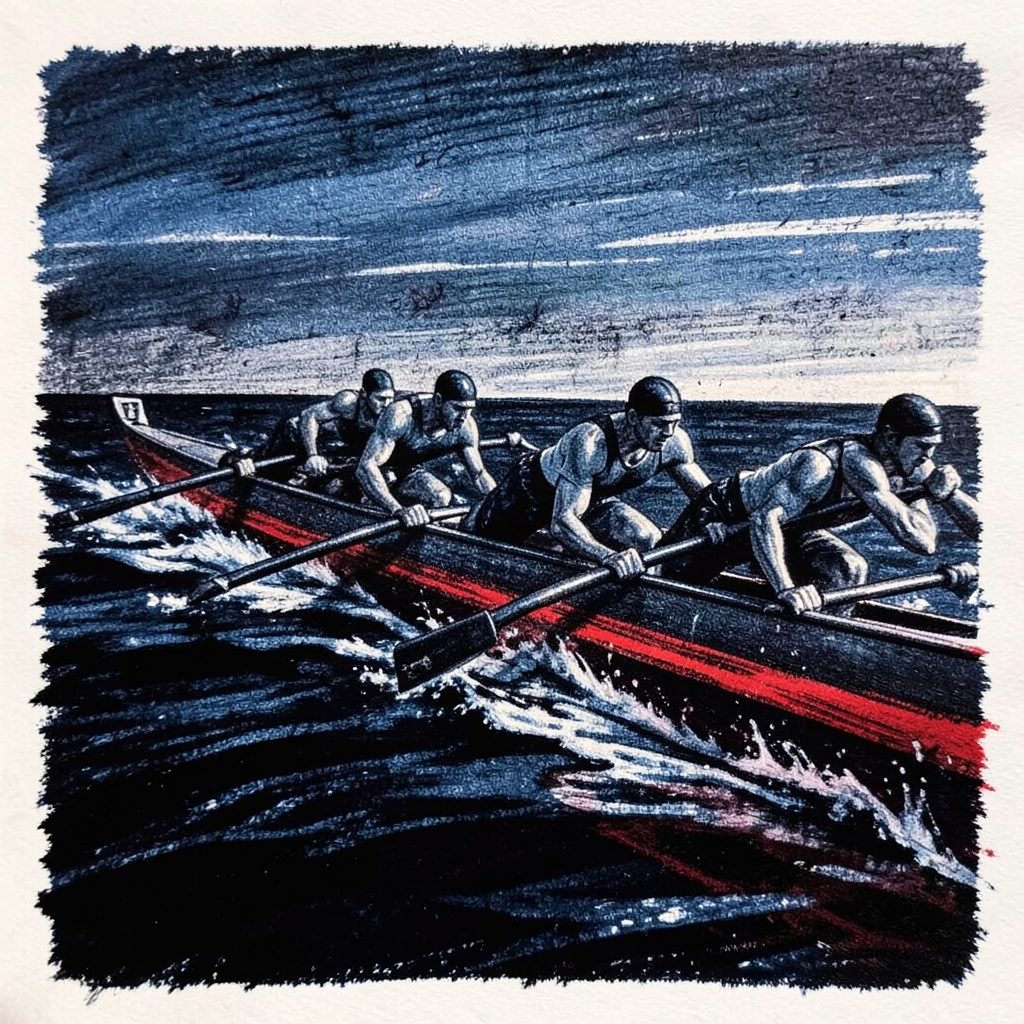
Spring lineup including Clemson Sprints, SIRA, Dad Vail, and ACRA National Championship.
Read More
Previews and recap of past Head of the Charles appearances, including the 50th annual regatta in 2014.
Read MoreTeam practice, regatta dates, and meetings are listed on the team calendar. Coaches post weekly schedules and travel details for upcoming race weekends.
Charleston Crew / CCAA
PO Box 12941
Charleston, SC 29422
Email: info@cofccrew.org
Phone: 843.513.5900
Phone: 843.276.4241
Interested in joining the team? Fill out the recruitment form and the coaches will follow up.