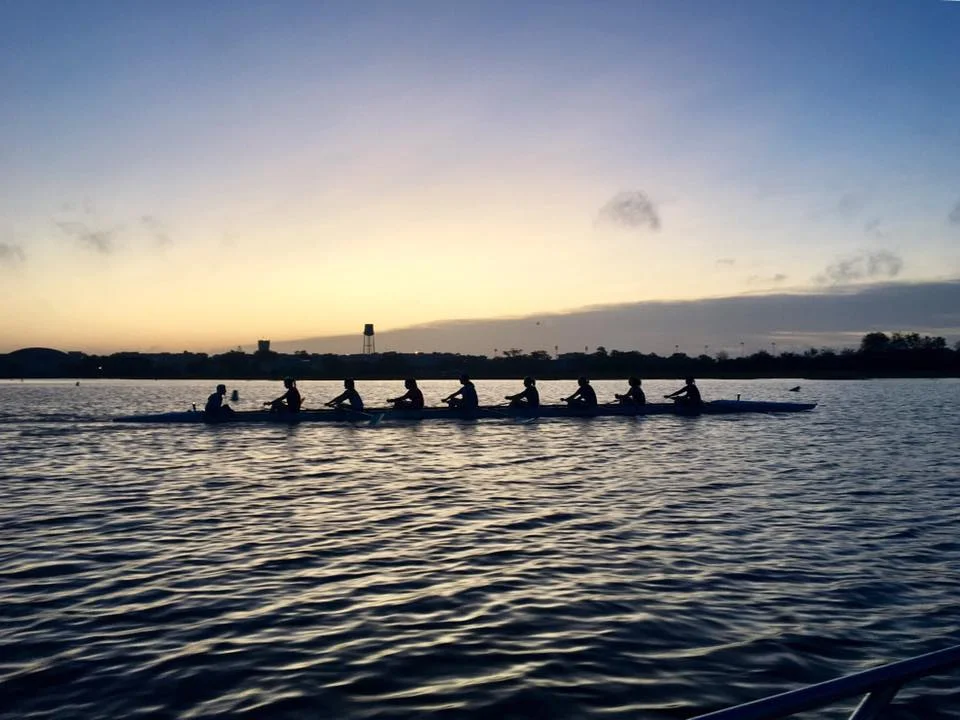
Clemson Sprints Weekend
Coverage and results from the team's trip to Clemson Sprints on Lake Hartwell.
Read More
A non-profit rowing team at the College of Charleston in Charleston, South Carolina.
A rowing shell may attract attention at a regatta, but oars do much of the daily work. Blades take repeated impact during training, transport and racing, so a collegiate crew needs a reliable replacement fund rather than waiting until equipment fails. For the College of Charleston Crew Team, that fund can combine grants, member dues, fundraising events and support from the wider community.
The approach is familiar to Australian university clubs. A student committee may balance annual subscriptions with a sausage sizzle, approach local businesses for sponsorship and apply for sporting grants. The amounts differ between Charleston and cities such as Melbourne, Brisbane or Sydney, yet the basic principle is the same: several modest income streams can pay for a significant equipment purchase.
New oars also need a clear budget. The team must account for blade style, materials, freight, customs charges where relevant, repairs and contingency funds. Recording each contribution and explaining how it supports training helps rowers, families and donors see the value behind every fundraising dollar.
Grants are usually the most useful source for a large equipment upgrade. Applications can describe the cost of replacement oars, the number of students served, the safety benefits and the team’s racing programme. A strong proposal links equipment to participation, athlete development and access for beginners, rather than presenting the purchase as a simple shopping list.
The team may also seek support from university recreation programmes, alumni groups, sporting foundations and community organisations. Australian clubs will recognise a similar path through university sport departments, state rowing bodies and local councils. A grant rarely pays for every blade, but it can reduce the amount that must come from student fees.
Annual or semester dues provide dependable cash flow. A small equipment levy included in membership fees can build an oar replacement reserve throughout the season, while keeping the charge visible and easy to explain. Experienced rowers may accept this structure readily, but beginners benefit when the team clearly separates training, race travel and equipment costs.
Affordability still matters. Students in Charleston face their own housing and food pressures, just as students in Adelaide or Canberra manage rising living costs. Offering instalment payments, hardship arrangements or volunteer credits can protect access without weakening the long-term equipment budget.
Bake sales are effective because they invite casual support from people who may never attend a regatta. Brownies, biscuits and banana bread can be sold at campus events, alumni gatherings or after training, with a sign explaining that proceeds support new rowing oars. In Australia, a school fete-style stall or a Bunnings sausage sizzle follows the same community fundraising tradition.
The strongest events connect fundraising with the team’s identity. A technique demonstration, erg challenge or short conversation with athletes can give supporters a reason to remember the club. Digital payment options are especially useful for younger donors, while a simple cash box remains practical at busy campus events.
Each source carries a different level of effort, certainty and public reach. A balanced plan avoids placing the full burden on members or expecting one successful event to cover a major purchase.
| Funding source | Main benefit | Limitation | Best use |
|---|---|---|---|
| Grants | Can cover a large share of capital costs | Competitive and application-heavy | New sets of oars or major repairs |
| Member dues | Predictable recurring income | Raises the cost of participation | Replacement reserve and maintenance |
| Bake sales | Simple, visible community support | Requires volunteer time | Smaller purchases and consumables |
| Sponsorships | Builds local business relationships | May need formal recognition | Equipment, travel or team apparel |
| Alumni gifts | Connects former rowers to the club | Income can vary by year | Matching funds for a grant |
A transparent ledger should show target costs, money already raised and the remaining balance. Publishing occasional updates through the team’s social channels can build confidence without making students feel pressured to donate.
Local cafés, physiotherapy clinics, outdoor retailers and professional firms may contribute cash or in-kind support. A business might fund part of an oar order in exchange for a logo on team communications, a sponsor mention at a regatta or an invitation to a rowing session. The proposal should state exactly what the sponsor receives and how the contribution benefits students.
The idea translates well to Australian club culture, where a neighbourhood café or independent gym may support a university team in exchange for community visibility. Local businesses often respond better to a specific request, such as funding two blades, than to a vague appeal for general assistance.
Before launching a campaign, officers and coaches should inspect the current inventory. Some oars may need grip replacement or minor repairs rather than full replacement. A condition report can rank equipment by urgency and prevent the team from spending fundraising income on items that could remain in service.
Technical advice also helps avoid an unsuitable purchase. The team’s rowing technique guide can support conversations about blade handling, cleaner movement and reducing avoidable wear. A planned purchase should match boat types, crew sizes and the coaching programme.
A calendar makes the process manageable. The team can open the season with a grant application, run a bake sale before a major regatta, seek sponsorship during the summer and review the equipment reserve at the end of the racing year. The published regatta schedule helps officers choose dates when families, alumni and supporters are already focused on the crew.
Volunteers also need enough energy to train and compete. Rotating shifts prevents the same students from handling every stall, application and social media post. Food planning matters as well: guidance on morning workout nutrition can help the committee budget sensible refreshments rather than relying on expensive last-minute purchases.
A disciplined campaign can raise more money while keeping participation welcoming:
When grants, dues and community fundraising work together, new oars become a shared investment rather than an unexpected expense. The result is a stronger equipment base, a clearer financial culture and more dependable preparation for racing along the Southeast and the U.S. East Coast.
College of Charleston Crew fields competitive eights and fours in both Fall head races and Spring sprint regattas across the Southeast.
Learn MoreRecent news, recaps, and announcements from the team.
Coverage and results from the team's trip to Clemson Sprints on Lake Hartwell.
Read More
Spring lineup including Clemson Sprints, SIRA, Dad Vail, and ACRA National Championship.
Read More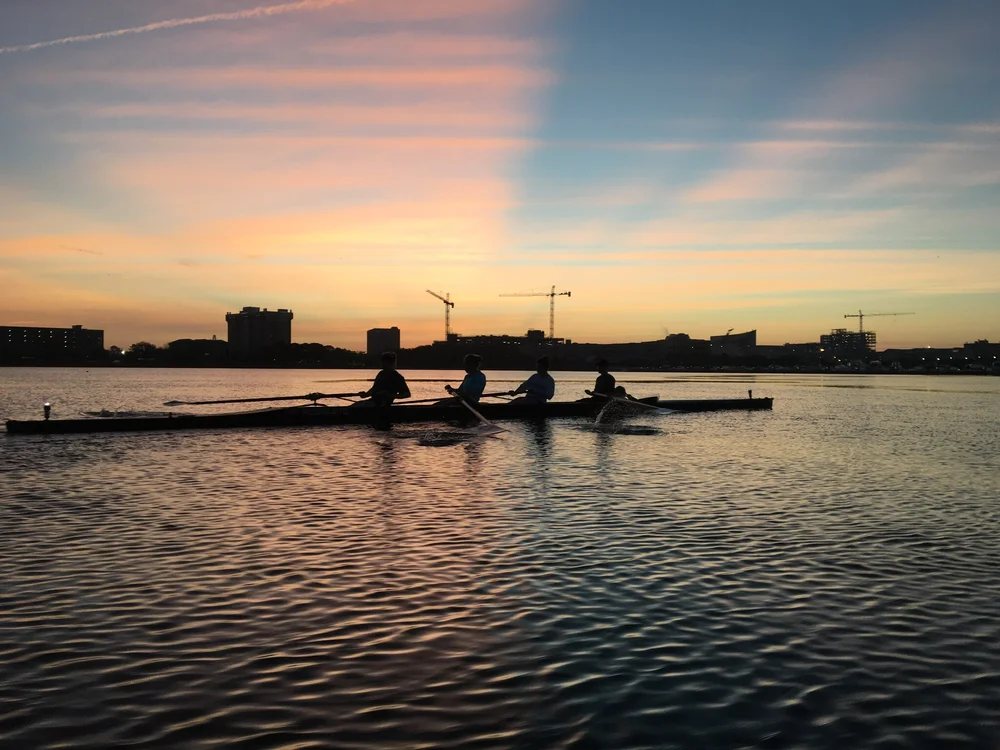
Previews and recap of past Head of the Charles appearances, including the 50th annual regatta in 2014.
Read MoreTeam practice, regatta dates, and meetings are listed on the team calendar. Coaches post weekly schedules and travel details for upcoming race weekends.
Charleston Crew / CCAA
PO Box 12941
Charleston, SC 29422
Email: info@cofccrew.org
Phone: 843.513.5900
Phone: 843.276.4241
Interested in joining the team? Fill out the recruitment form and the coaches will follow up.