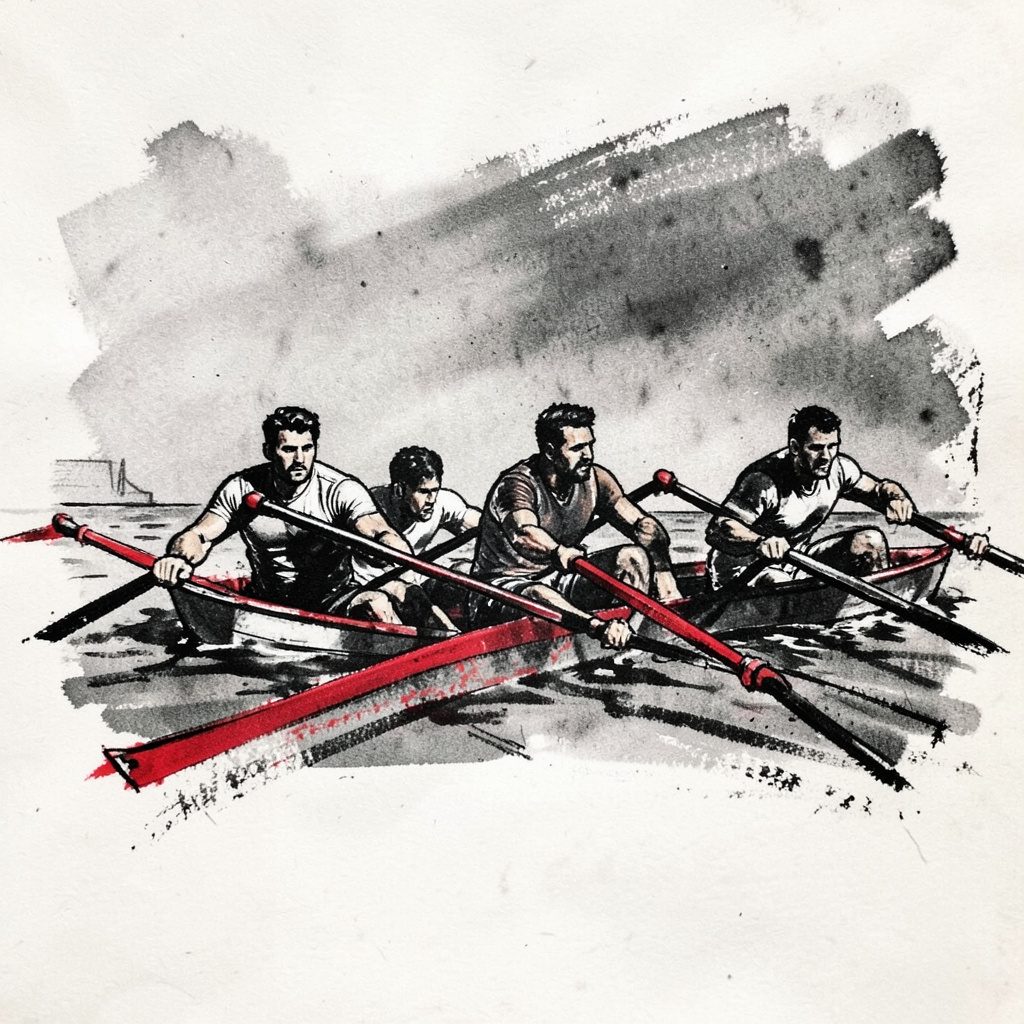
Clemson Sprints Weekend
Coverage and results from the team's trip to Clemson Sprints on Lake Hartwell.
Read More
A non-profit rowing team at the College of Charleston in Charleston, South Carolina.
A rowing shell is a precision craft, so regular cleaning protects both its performance and its lifespan. Salt, silt, sunscreen, sweat and grit can work into fittings, seams and foot-stretcher tracks, especially after training on busy estuaries or coastal waterways.
For a collegiate crew, shell care is a shared responsibility. Beginners learn good habits quickly when experienced rowers explain why a gentle rinse matters, while experienced athletes help identify loose hardware, worn seats and small impact damage before it becomes expensive.
The College of Charleston Crew Team’s rowing community reflects the teamwork required on and off the water. A consistent maintenance routine supports safer outings, smoother boat handling and less disruption before regattas across the Southeast and East Coast.
Australian crews face familiar conditions with a few local complications. Strong ultraviolet light in Brisbane, Melbourne’s colder winter mornings, Sydney’s saltwater traffic and dusty launches near Adelaide can all affect equipment. Good care should fit the local climate, the available marine products and each club’s safety procedures.
Rinse the hull as soon as practical after every outing. Use clean, cool or lukewarm fresh water and a soft sponge or microfibre cloth. Start at the bow and work towards the stern, flushing the underside, cockpit, gunwales, splash rails and rudder area. Avoid high-pressure settings, which can force water into bearings, seals and electrical fittings.
Pay close attention to sand around sliding seats and foot stretchers. A short rinse after a Brisbane river session can prevent abrasive grit from scoring tracks, while crews using Sydney Harbour should remove salt before it crystallises around bolts and oarlocks. Do not drag the shell over a concrete ramp or sandy beach; use a padded trolley and ask for help at awkward launches.
Most modern shells use carbon fibre, fibreglass, epoxy or a combination of composite materials. Mild boat soap or diluted dishwashing liquid is usually sufficient for sunscreen marks and light grime. Apply it with a soft cloth, rinse thoroughly and dry with a clean towel to avoid water spots.
Avoid abrasive powders, stiff brushes, automotive cutting compounds and strong solvents such as acetone. They can dull the finish or damage decals and protective coatings. If mould appears after storage in a damp Melbourne boathouse, use a manufacturer-approved cleaner rather than chlorine bleach. Test any product on a hidden area first, and follow the shell builder’s care instructions.
Cleaning should include a systematic inspection. Check the rudder, cables, foot-stretcher bolts, seat wheels, gates, oarlocks and rigger attachments. Look for cracks, unusual movement, corrosion, frayed lines or hardware that has started to loosen. Drain plugs must be present and secure before the shell returns to the water.
Use only the lubricant recommended for each component. A small amount of suitable marine lubricant may help hinges and moving fittings, but excess oil attracts dust and can contaminate surfaces. Clubs should record defects and remove a boat from service when damage could affect steering, flotation or structural strength.
After washing, place the shell on padded trestles or its approved rack, with weight distributed according to the manufacturer’s guidance. Open hatches and remove drain plugs where appropriate so trapped moisture can escape. Never leave a wet shell sealed in a cover, trailer or boathouse overnight.
Australian sunlight is useful for drying but harmful as a permanent storage solution. Keep shells shaded in places such as the Gold Coast, where intense UV exposure can age clear coats and decals. A breathable cover is preferable to a tight plastic sheet, and the boat should be protected from falling branches, hot metal racks and contact with other hulls.
A club need not buy a large range of specialist products. Fresh water, pH-neutral soap, soft cloths, a soft detailing brush, spare drain-plug seals and approved lubricant cover most routine tasks. Australian marine retailers and hardware shops commonly stock these items, but the cheapest household cleaner is not always safe for composite finishes.
Water disposal also deserves attention. Crews should follow local council and state environmental rules, especially where wash water may enter stormwater drains or sensitive waterways. Under Australian work health and safety duties, clubs should provide safe lifting practices, suitable personal protective equipment and clear instructions for handling cleaning chemicals.
| Care task | Recommended approach | Avoid |
|---|---|---|
| Post-training rinse | Fresh water and a soft sponge | High-pressure spray |
| Hull cleaning | Mild, non-abrasive soap | Solvents and scouring powder |
| Seat tracks | Remove grit, dry fully, inspect wheels | Flooding bearings with water |
| Metal fittings | Check, dry and use approved lubricant sparingly | Leaving salt or over-oiling |
| Storage | Padded supports, shade and ventilation | Hot surfaces or sealed damp covers |
The best routine is short enough to follow after every session and detailed enough to catch problems early. Crew officers can assign pairs to washing, drying and inspection, then record repairs before the next training block. Reflections from a senior crew member also show how daily team habits become part of the rowing experience.
A clear routine protects expensive equipment and teaches responsibility across the squad. It also leaves more time for rowing: the shell is ready, the fittings work smoothly and the crew can focus on technique, training and race preparation. For clubs comparing different team structures, the discussion of club rowing choices reinforces the value of shared standards and collective care.
College of Charleston Crew fields competitive eights and fours in both Fall head races and Spring sprint regattas across the Southeast.
Learn MoreRecent news, recaps, and announcements from the team.
Coverage and results from the team's trip to Clemson Sprints on Lake Hartwell.
Read More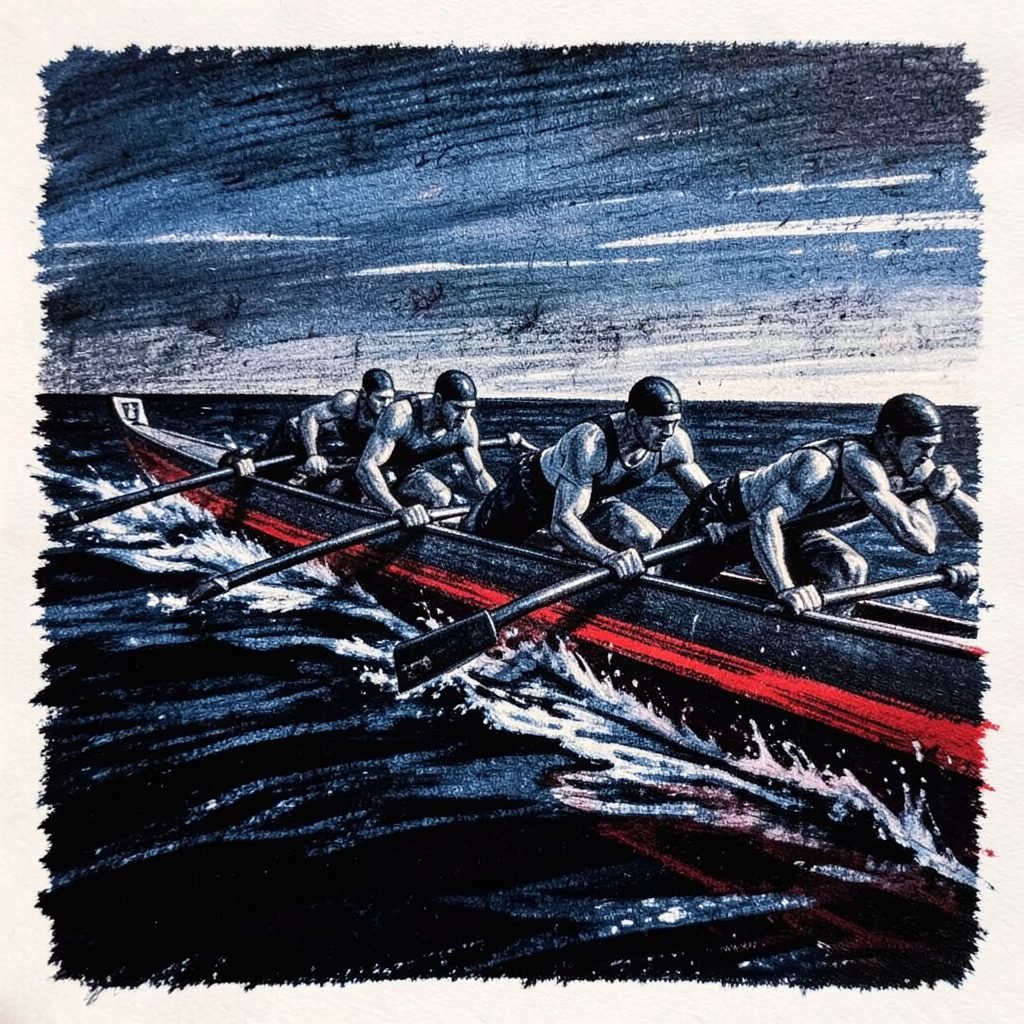
Spring lineup including Clemson Sprints, SIRA, Dad Vail, and ACRA National Championship.
Read More
Previews and recap of past Head of the Charles appearances, including the 50th annual regatta in 2014.
Read MoreTeam practice, regatta dates, and meetings are listed on the team calendar. Coaches post weekly schedules and travel details for upcoming race weekends.
Charleston Crew / CCAA
PO Box 12941
Charleston, SC 29422
Email: info@cofccrew.org
Phone: 843.513.5900
Phone: 843.276.4241
Interested in joining the team? Fill out the recruitment form and the coaches will follow up.