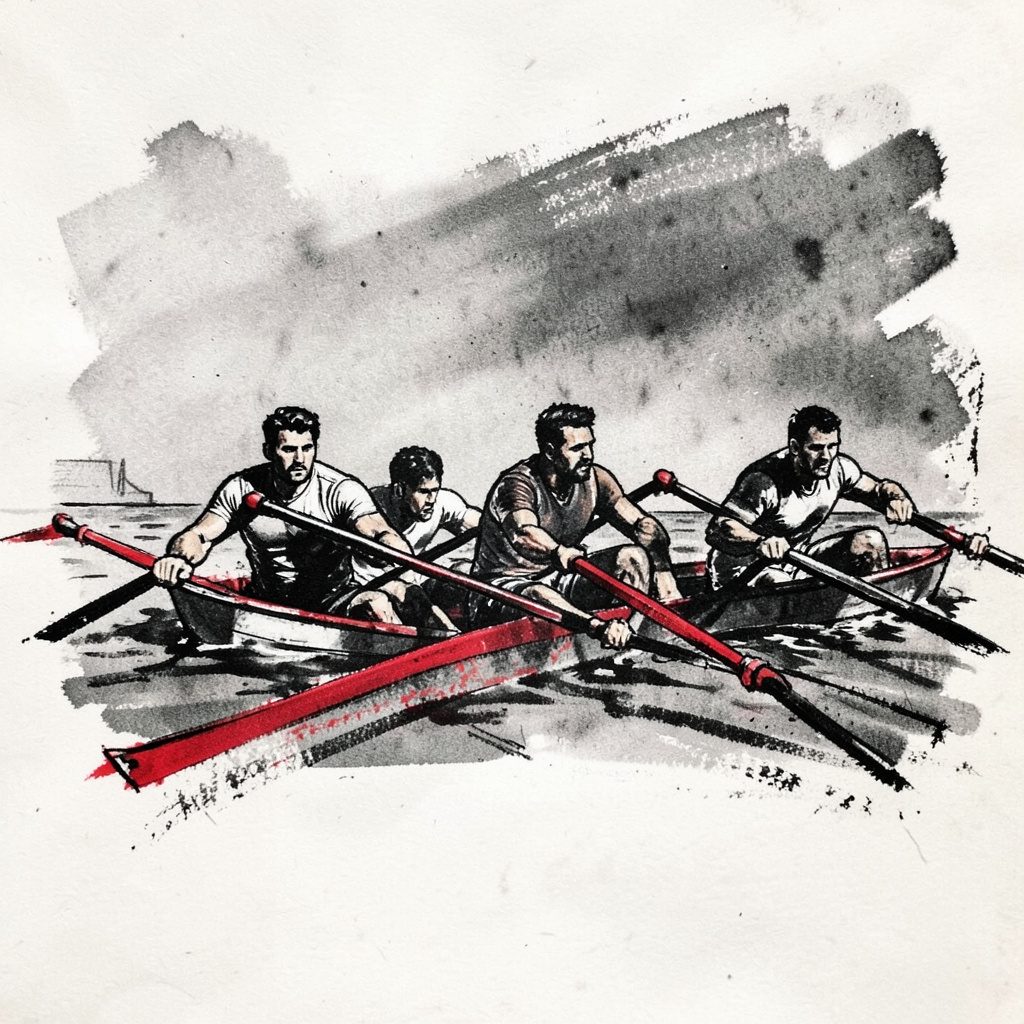
Clemson Sprints Weekend
Coverage and results from the team's trip to Clemson Sprints on Lake Hartwell.
Read More
A non-profit rowing team at the College of Charleston in Charleston, South Carolina.
Oars transfer every part of a rower’s effort into the water, so small problems can quickly affect boat speed, comfort and safety. A few minutes of care after training protects the shaft, blade, handle and connecting hardware from wear.
This routine applies to sweep oars and sculling blades, whether they are carbon, fibreglass, aluminium or timber. It is useful for Australian crews rowing on sheltered rivers, tidal bays and open coastal water, where salt, sand, strong sunlight and changing weather can be hard on equipment.
The best time to clean an oar is immediately after practice, before saltwater dries into a gritty film. Crews in Sydney Harbour, Brisbane’s humid conditions or Perth’s intense afternoon sun should treat rinsing and drying as part of packing up, rather than a job to postpone until the next session.
Correct storage begins with using the right equipment for the athlete. Checking oar length and height can reduce awkward loading on the shaft and handle, helping the blade last longer during regular training.
Start by rinsing each oar with clean, fresh water. Pay close attention to the collar, sleeve, button, handle grip and the edges of the blade, where salt crystals and fine sand can collect. A hose with gentle flow is suitable; a high-pressure washer can force water into fittings or damage decals and surface coatings.
If the oar has been used in muddy water, use a soft sponge with a small amount of mild detergent. Avoid abrasive powders, strong solvents and household bleach. Products available through Australian hardware shops such as Bunnings or from a marine chandlery should be labelled safe for plastics, painted surfaces or composite equipment before use.
After rinsing, run your fingers carefully along the shaft and blade. Look for cracks, soft spots, sharp edges, bubbling paint, loose fittings and unusual movement around the sleeve. A small mark on a carbon blade may be cosmetic, but a split, deep gouge or change in stiffness needs attention before the next row.
Check timber oars more frequently for water entry, flaking varnish and raised grain. Timber equipment needs a dry, ventilated storage area and occasional approved marine varnish, while composite oars generally need less finishing work but still require protection from impact and ultraviolet exposure.
Wipe the oars with a clean microfibre cloth, then leave them in a shaded, airy place until completely dry. Do not place wet blades inside a vehicle or store them tightly against one another. Trapped moisture can encourage mould around grips and leave metal parts vulnerable to corrosion.
Australian conditions make shade especially important. A hot ute tray in Adelaide or a sunny rack in Canberra can become much hotter than the surrounding air, while prolonged ultraviolet exposure can fade finishes and weaken some plastics. Store oars indoors or under a covered rack whenever possible.
Inspect the sleeve, button and collar after every session. Remove sand with fresh water and a soft brush, then dry the area thoroughly. If the manufacturer recommends lubrication, apply a small amount of the specified product to the relevant moving part; excess oil can attract grit and transfer onto the boat.
Never force a stiff adjustment or hammer a loose fitting back into position. Mark the problem and report it to the coach, boat captain or equipment officer. Keeping a simple maintenance record helps a club identify recurring damage and decide when a part should be repaired or replaced.
Place oars on padded supports with blades clear of concrete, gravel and sharp rack edges. Keep them away from doors, foot traffic and other gear that could fall onto them. Stacking should follow the club’s equipment policy, with heavy objects never resting on the blade or shaft.
When travelling to regattas around Melbourne, Newcastle or the Gold Coast, use a padded carrier or secure rack. Tie-down straps should hold the equipment firmly without crushing the shaft. Before driving, check that blades cannot swing into another vehicle, cyclist or pedestrian, and comply with Australian road rules for loads extending beyond a vehicle.
A consistent post-practice system is easier when every rower knows their responsibility. One person can organise the wash area, another can inspect fittings and the crew can return each oar to its labelled position. This avoids rushed cleaning after early-morning sessions and reduces misplaced equipment.
Good preparation also makes regular training easier. Crews that follow early practice habits are more likely to have enough time for a proper rinse, inspection and storage check before classes or work.
Clean oars perform more predictably and are easier to handle during a race. A short routine after each outing protects club equipment, supports safer rowing and helps a crew arrive at its next session ready to train.
College of Charleston Crew fields competitive eights and fours in both Fall head races and Spring sprint regattas across the Southeast.
Learn MoreRecent news, recaps, and announcements from the team.
Coverage and results from the team's trip to Clemson Sprints on Lake Hartwell.
Read More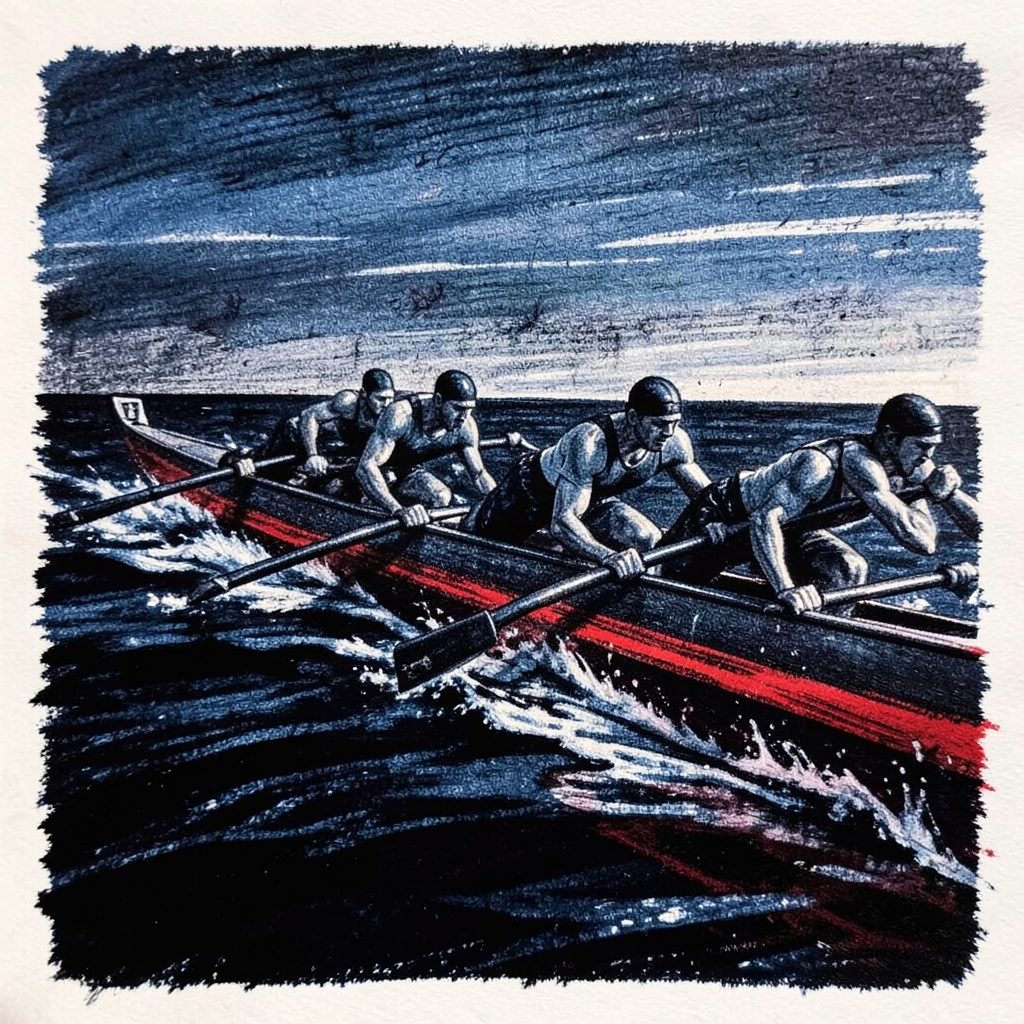
Spring lineup including Clemson Sprints, SIRA, Dad Vail, and ACRA National Championship.
Read More
Previews and recap of past Head of the Charles appearances, including the 50th annual regatta in 2014.
Read MoreTeam practice, regatta dates, and meetings are listed on the team calendar. Coaches post weekly schedules and travel details for upcoming race weekends.
Charleston Crew / CCAA
PO Box 12941
Charleston, SC 29422
Email: info@cofccrew.org
Phone: 843.513.5900
Phone: 843.276.4241
Interested in joining the team? Fill out the recruitment form and the coaches will follow up.