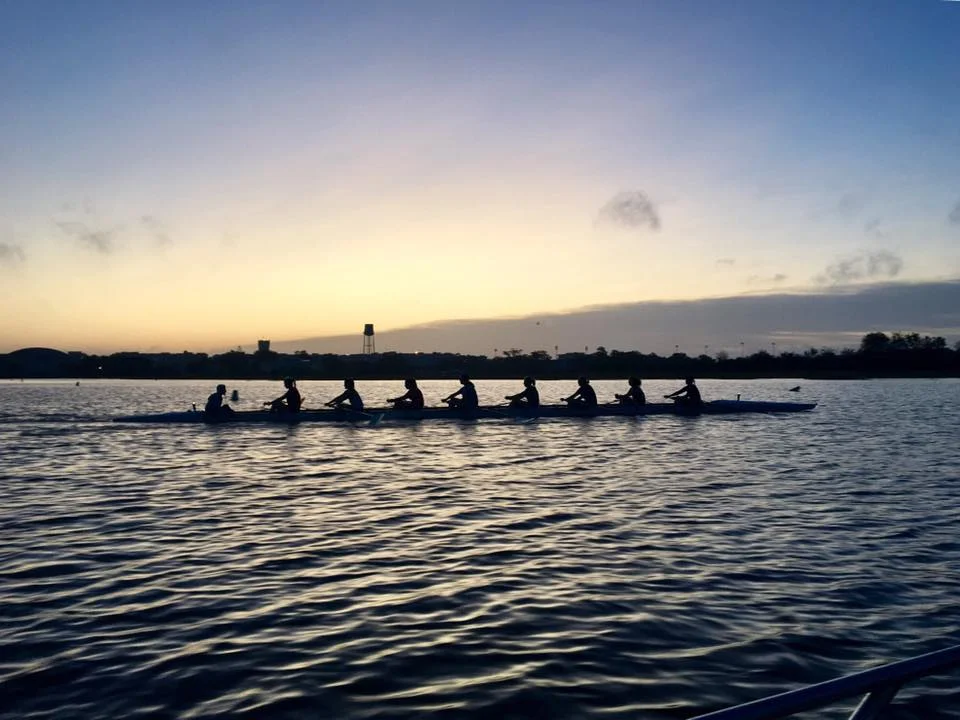
Clemson Sprints Weekend
Coverage and results from the team's trip to Clemson Sprints on Lake Hartwell.
Read More
A non-profit rowing team at the College of Charleston in Charleston, South Carolina.
At the College of Charleston, crew racing is shaped by two familiar shells: the four and the eight. Both boats demand rhythm, fitness and trust, yet their lineups create very different experiences for rowers, coxswains and coaches. Learning how each combination works helps new athletes understand where they may fit and why experienced competitors value both events.
For Australian readers, the contrast will feel familiar from university regattas in Sydney, Melbourne or Brisbane, where a coxed four can reward precision while an eight generates speed through collective power. CofC Crew welcomes beginners alongside experienced athletes, so every seat offers a chance to develop technical skill and race awareness.
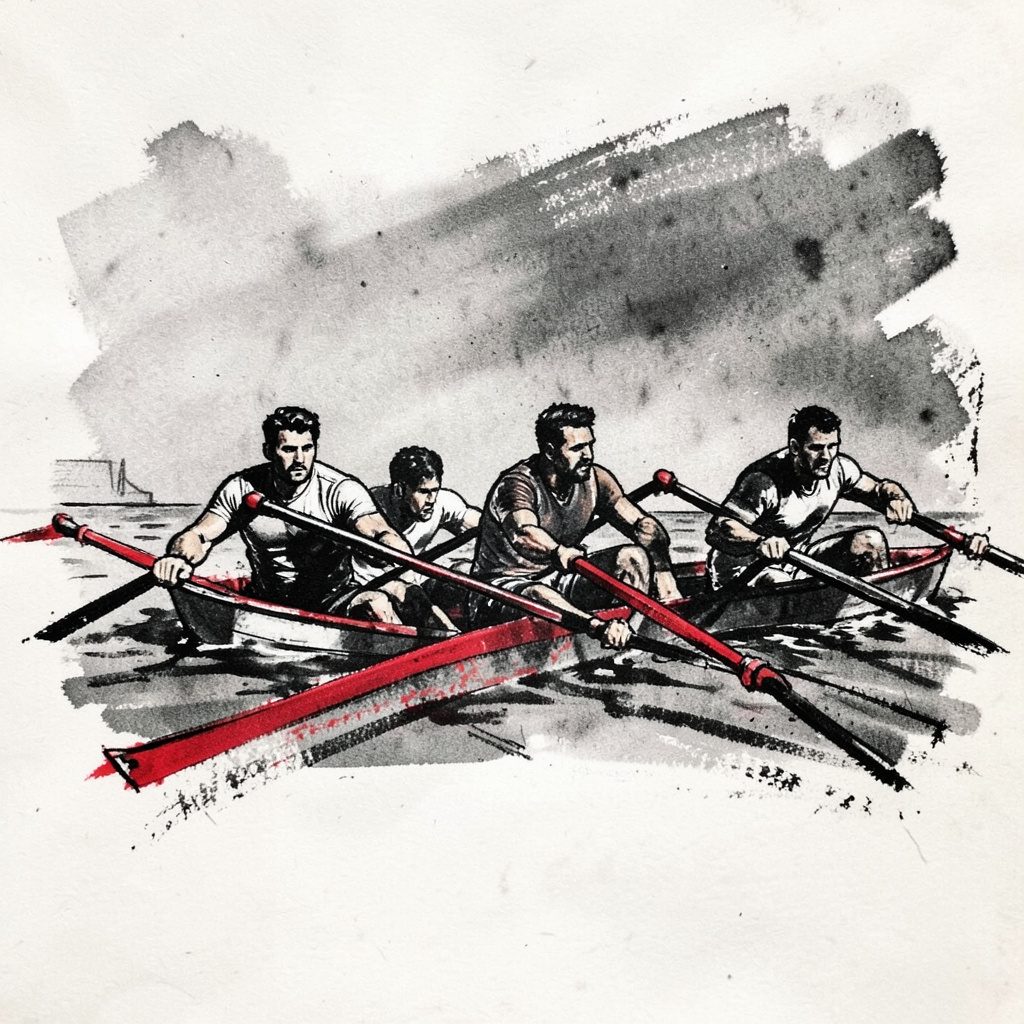
A coxed four usually contains four rowers and a coxswain. With fewer athletes contributing, each individual stroke has a visible effect on boat speed, balance and set. A missed catch or uneven finish can disturb the entire shell, making concentration especially important.
The smaller crew also gives rowers more room to develop independence. Each athlete must connect cleanly with the water, maintain posture and match the length of the stroke. In a four, technical flaws cannot easily disappear within the movement of a larger crew.
An eight places eight rowers in sequence, guided by a coxswain who manages steering, race tactics and motivation. The shell is longer and heavier, but its combined power can produce remarkable acceleration when every athlete moves together.
The challenge is maintaining unity across a large crew. Rowers must follow the rhythm established by the stroke seat and trust the boat’s movement rather than rushing to create personal power. A well-set eight feels almost automatic, with each catch arriving as part of one continuous action.
Seats are not simply awarded according to strength. Coaches consider technical consistency, race experience, endurance, rhythm and the way each athlete supports the crew. The stern pair, particularly the stroke seat, establishes timing, while the bow pair helps maintain the shell’s direction and balance.
Middle seats often carry substantial power and help the boat sustain its rhythm under pressure. A rower may be effective in an eight because they settle into a dependable rhythm, then find that a four demands sharper control. Lineups can change throughout a season as athletes gain fitness and demonstrate new strengths.
The coxswain is the boat’s tactical and communication centre. From a small cockpit, they steer, monitor the course, call starts and power moves, and keep the crew focused when fatigue sets in. In a four, communication can feel immediate because the group is compact; in an eight, the coxswain must project clear instructions along the full length of the shell.
This role is particularly important during tight racing on busy waterways. A coxswain must understand crews around them, respond to officials and manage the crew’s energy without disrupting its rhythm. Their calls may differ between a short sprint and a longer head race, where pacing becomes more significant.
The same fundamentals apply across both boats: a controlled recovery, a clean catch, connected leg drive and a relaxed finish. However, the consequences of technical errors vary. In a four, poor balance is immediately apparent; in an eight, one rower can disturb several neighbours before the issue is corrected.
CofC athletes can benefit from technical guidance such as cleaner rowing technique, particularly when transferring skills between boat classes. Australian rowers will recognise the value of this work during early-morning training, when cool conditions can make careful movement easier to feel before the heat of the day arrives.
Four-person crews often spend extra time refining individual timing, balance and blade placement. Drills may isolate the catch or recovery, then rebuild the full stroke. Athletes need enough strength to contribute while preserving the relaxed control that keeps the boat running.
Eights devote significant attention to crew rhythm, connection and sustained pressure. Land training may include ergometer work, strength sessions and aerobic conditioning, while on-water practices develop reaction speed and communication. This preparation has parallels with Australian university programs that balance lectures, casual work and training around regatta calendars.
A crew may race more than one boat class across a season, and a rower’s role can change from one event to the next. Regattas in Charleston can bring shifting wind, current and traffic, conditions that test steering and composure. Competing through the Southeast and along the U.S. East Coast also exposes the team to different courses and racing styles.
A useful example is this spring regatta recap, which shows how preparation becomes practical race-day decision-making. For Australian followers, the atmosphere may recall a Saturday regatta at Nagambie or Henley-on-Yarra, including early starts, packed trailers and crews supporting one another between events.
College of Charleston Crew fields competitive eights and fours in both Fall head races and Spring sprint regattas across the Southeast.
Learn MoreRecent news, recaps, and announcements from the team.
Coverage and results from the team's trip to Clemson Sprints on Lake Hartwell.
Read More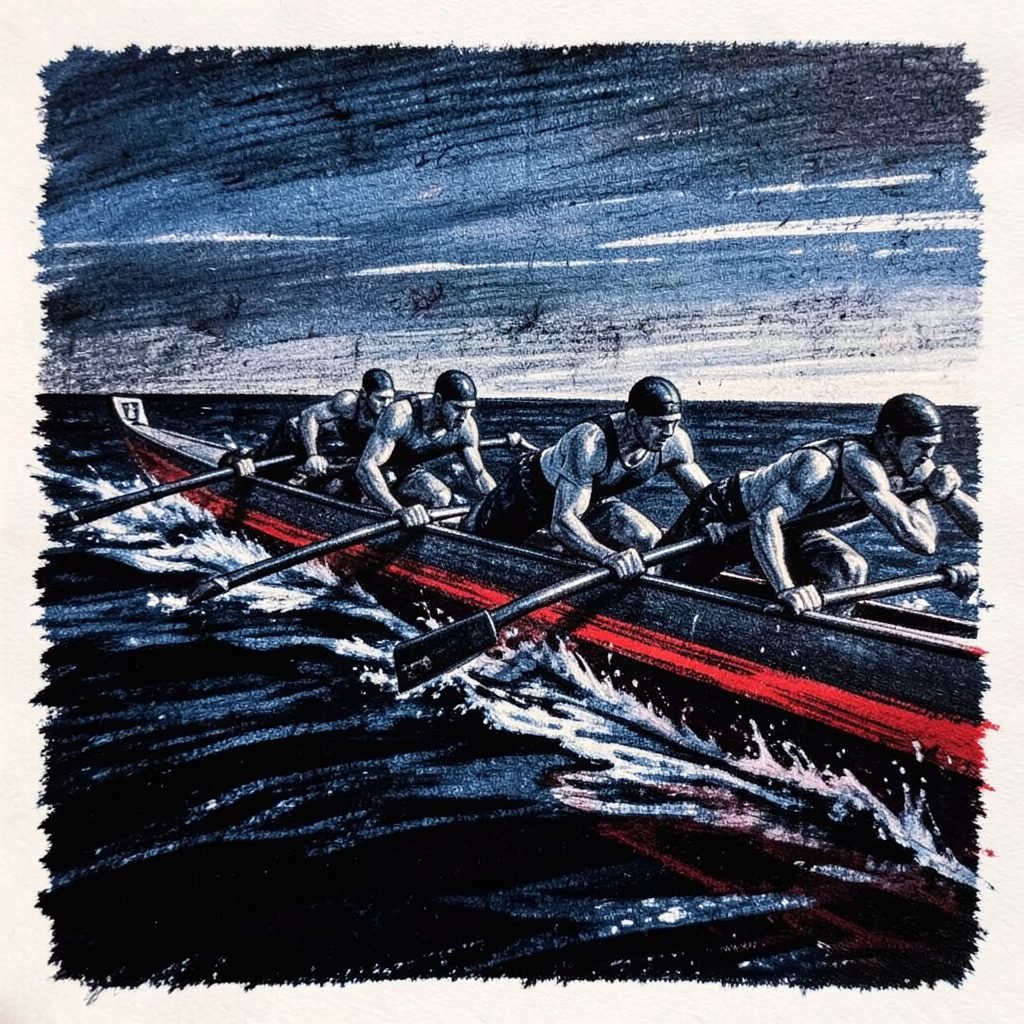
Spring lineup including Clemson Sprints, SIRA, Dad Vail, and ACRA National Championship.
Read More
Previews and recap of past Head of the Charles appearances, including the 50th annual regatta in 2014.
Read MoreTeam practice, regatta dates, and meetings are listed on the team calendar. Coaches post weekly schedules and travel details for upcoming race weekends.
Charleston Crew / CCAA
PO Box 12941
Charleston, SC 29422
Email: info@cofccrew.org
Phone: 843.513.5900
Phone: 843.276.4241
Interested in joining the team? Fill out the recruitment form and the coaches will follow up.