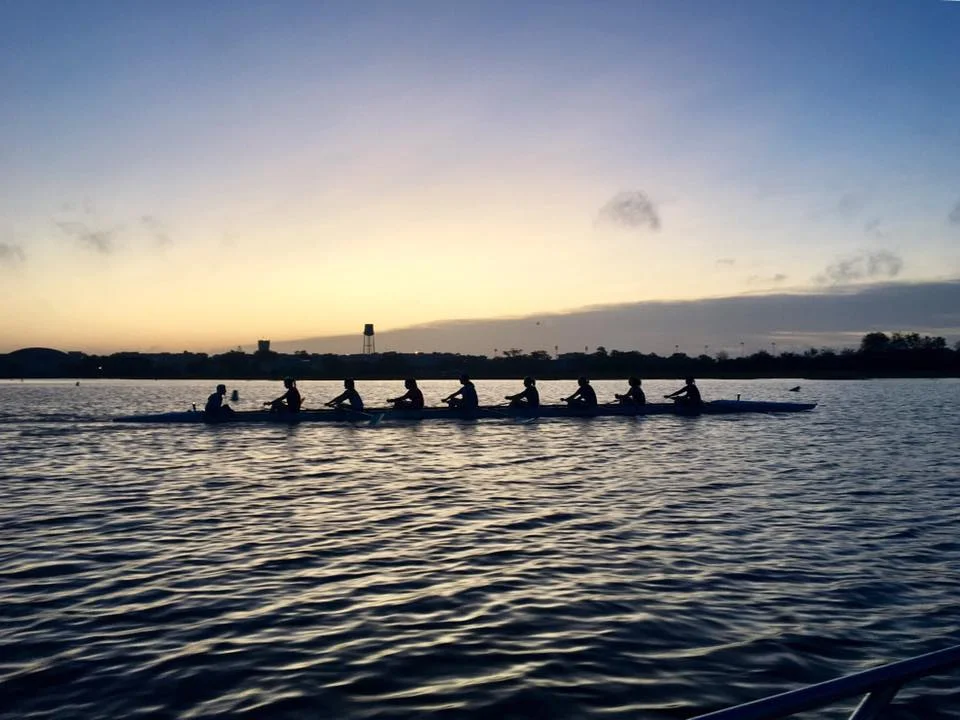
Clemson Sprints Weekend
Coverage and results from the team's trip to Clemson Sprints on Lake Hartwell.
Read More
A non-profit rowing team at the College of Charleston in Charleston, South Carolina.
Knowing the best ways to cool down after a hot Charleston practice matters as soon as the shell is tied up. Heat, humidity and glare combine with the sustained effort of sweeping or sculling, so recovery should restore the body rather than simply end training. For the College of Charleston Crew Team, careful recovery supports daily training, academic schedules and performance at regattas across the Southeast and East Coast.
Australian athletes face a seasonal shift as well as a climate shift: January is midsummer at home, while Charleston’s fiercest conditions often arrive from late spring into early autumn. Crews in Sydney, Melbourne and Brisbane understand training in 30-plus-degree Celsius weather, but the Lowcountry’s saturated air and unfamiliar waterways create a different risk.
The goal is not to feel cold as quickly as possible. It is to bring core temperature down gradually, replace fluid and sodium, restore energy and let muscles relax without adding another hard load. A simple routine works better than an improvised scramble once the boat is secure.
Charleston’s heat can raise core temperature before an athlete notices the effort becoming harder. A cooling breeze over the water may mask this: skin feels comfortable while the heart is still working above its usual rate. Humidity also slows evaporation, so sweat can cool the body without producing much relief.
Before a trip or joining the team, readers can check the club background for the program’s history, coaching and student leadership structure. The team welcomes both experienced rowers and beginners, so recovery advice should suit everyone alongside classes, travel and shared equipment.
Begin with eight to ten minutes of very easy movement, ideally a light paddle or steady erg. Keep breathing relaxed and avoid turning the cool-down into another interval session. Follow with gentle mobility for the hips, ankles, shoulders and upper back, using each movement to settle breathing rather than forcing a stretch.
On the water, the coxswain can set a calm pace and signal when the group is ready to finish. The team’s guide to coxswain call timing is relevant here: a clear call lets every rower transition together, so nobody is stranded with an abrupt change in intensity.
Start drinking before practice if urine is dark or the previous session caused heavy sweating. During a hot outing, sip small amounts regularly rather than waiting for thirst; afterward, drink with food across the following hour. The familiar Australian habit of filling a reusable bottle at home also travels well, provided the bottle is large enough for the whole session.
Water is usually enough for an easy day, but a long, sweaty row may call for sodium and carbohydrate. Australian shoppers can find sports drinks, electrolyte powders and coconut water at Coles or Woolworths, while pharmacies carry oral rehydration products. Choose a familiar drink with sodium rather than a highly concentrated mix, and avoid chugging a large volume at once.
Recovery food should combine carbohydrate, which replenishes glycogen, with protein, which supports muscle repair. A banana and yoghurt, toast with peanut butter, or rice and chicken from the dining hall are practical examples. In Charleston’s heat, small portions are often more comfortable than a heavy meal immediately after practice.
For a first visit to a championship regatta, the SIRA first-timer guide can help with travel-day logistics. At home, pretzels, salted crackers and fruit bridge the gap between training and the next meal; on race weekends, pack items that can be eaten without refrigeration.
A cool, wet towel, shade and a fan provide low-risk relief after the boat is tied up. A brief cool shower can lower skin temperature, while a short cold-water immersion may suit a very hot athlete, but neither replaces fluids, food or rest. Skip the icy plunge by default; being colder is not the same as being fully recovered.
Watch for dizziness, headache, nausea, unusual fatigue, confusion, stumbling or collapse. These signs need prompt attention, particularly when they persist after moving to shade and cooling down. At a U.S. practice venue, call 911 for severe symptoms; in Australia, the emergency number is 000. Never leave a confused or collapsed teammate alone, and begin active cooling while waiting for help.
A repeatable sequence helps rowers leave practice together and make recovery easier during a busy collegiate week.
On regatta weekends, put a filled bottle, electrolyte drink, snack and cooling towel in the kit bag before departure. Keep the same order—easy movement, rehydration, food and passive cooling—but adjust the time and intensity for each session and each athlete.
College of Charleston Crew fields competitive eights and fours in both Fall head races and Spring sprint regattas across the Southeast.
Learn MoreRecent news, recaps, and announcements from the team.
Coverage and results from the team's trip to Clemson Sprints on Lake Hartwell.
Read More
Spring lineup including Clemson Sprints, SIRA, Dad Vail, and ACRA National Championship.
Read More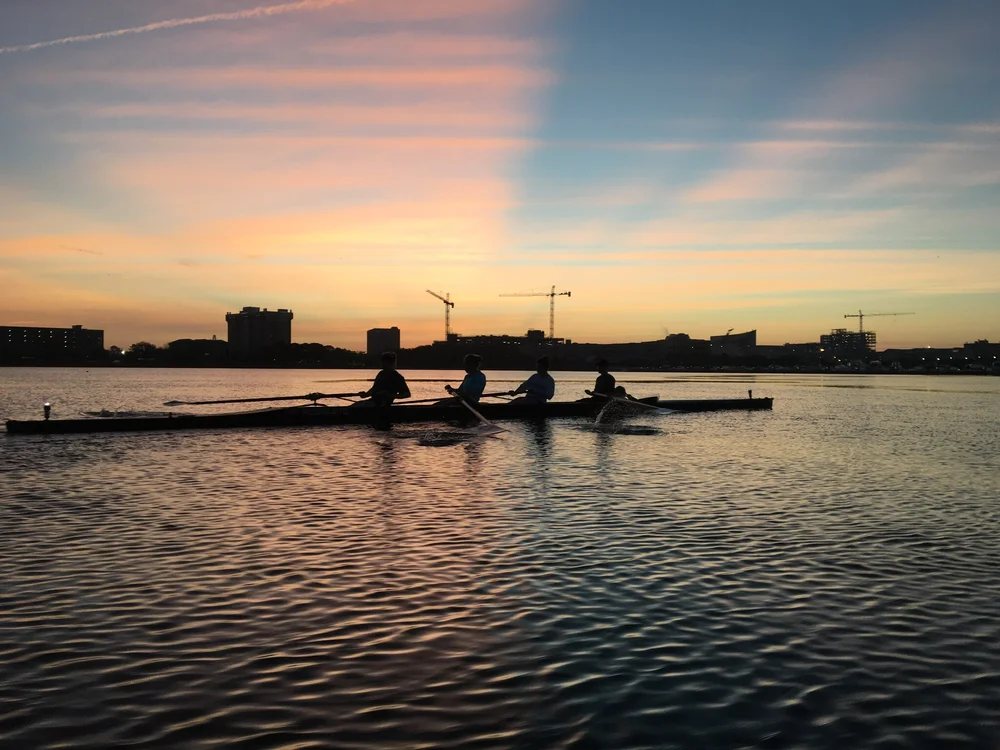
Previews and recap of past Head of the Charles appearances, including the 50th annual regatta in 2014.
Read MoreTeam practice, regatta dates, and meetings are listed on the team calendar. Coaches post weekly schedules and travel details for upcoming race weekends.
Charleston Crew / CCAA
PO Box 12941
Charleston, SC 29422
Email: info@cofccrew.org
Phone: 843.513.5900
Phone: 843.276.4241
Interested in joining the team? Fill out the recruitment form and the coaches will follow up.