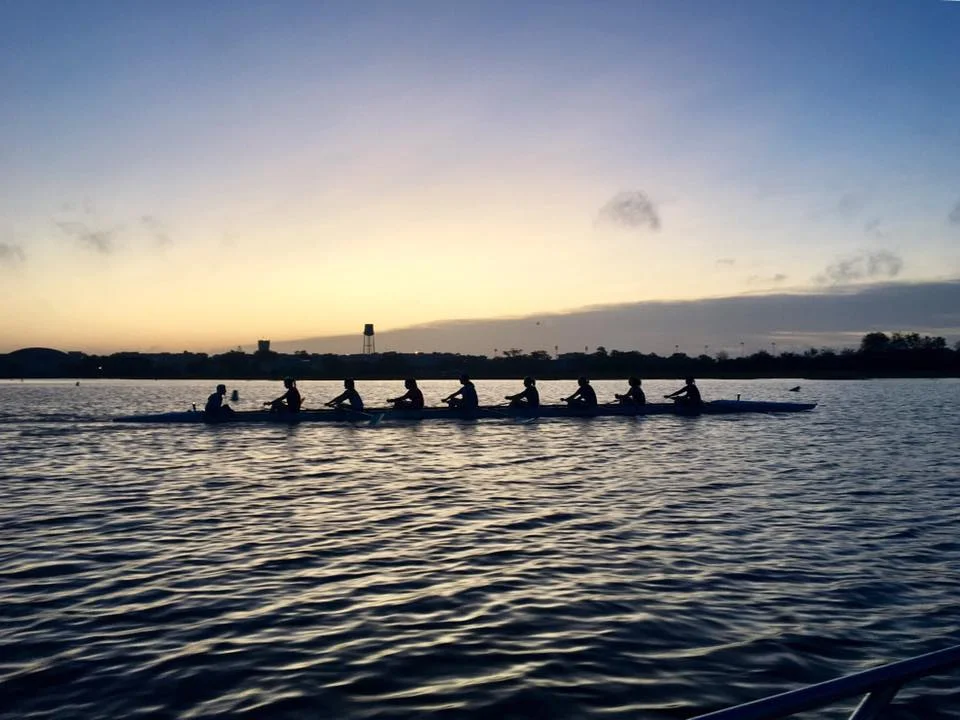
Clemson Sprints Weekend
Coverage and results from the team's trip to Clemson Sprints on Lake Hartwell.
Read More
A non-profit rowing team at the College of Charleston in Charleston, South Carolina.
Flexibility in the rowing stroke is not an ornamental extra; it is the ability to move cleanly through the catch, maintain rhythm under pressure and finish with an efficient release. A supple rower can adjust blade depth and handle shifting water without wrenching the shoulders or lower back. That adaptability protects technique and allows training to produce smoother, repeatable power.
The College of Charleston Crew Team meets that demand while competing throughout the Southeast and along the U.S. East Coast. Beginners and experienced athletes need different coaching, but both gain from mobility that supports balance, timing and the long, connected actions of rowing. Technical freedom only matters when it serves speed and control.
Good power is not created by brute force alone. When the ankles, hips and trunk can move through a comfortable range, the rower can drive the legs before swinging the body and then return without a rushed correction. The result is longer, cleaner acceleration rather than a sequence of disconnected movements.
Range of motion also helps the crew maintain pressure as fatigue arrives. A rower who can make small changes to seat position, handle height and body angle can keep the boat running smoothly. Coaches at CofC can therefore treat flexibility as part of performance, not as a warm-up task separated from racing.
At the catch, a mobile ankle and hip allow the knees to compress while the shins stay connected to the seat. During the drive, the rower needs enough movement in the hips and trunk to transfer force into the handle. Too little range can make the stroke cramped; excessive movement can disturb the blade.
On the recovery, flexible shoulders and wrists help the hands travel away cleanly, while a stable torso prevents the release from becoming a flick. The useful question is not whether a joint bends far, but whether it moves at the right moment and returns under control. That timing converts mobility into efficient rowing.
More flexibility is not automatically better. The trunk must resist unwanted movement while the hips and ankles contribute to the stroke, and the core should support the rib cage rather than collapse under load. Poor control can turn a smooth sequence into visible twisting, especially when fatigue changes pressure and balance.
Simple position checks can reveal the difference. A coach might ask the athlete to pause at the finish, hold the handle and note whether the shoulders remain level, or compare a rowing stroke with a bodyweight hinge. The aim is coordinated strength: enough movement to generate force and enough stability to direct it.
Hands take repeated friction from oars and erg handles, so small problems can alter technique quickly. A forming blister may change grip pressure, and sore skin can make a rower rush the recovery. The CofC guide on blister prevention offers practical steps for protecting the skin before a session and responding when hot spots appear.
Foot and shoulder care matter just as much. Secure footwear, sensible load progression and balanced preparation for blisters reduce the chance that discomfort disrupts the stroke. In Australian cities, summer training can bring intense heat and high UV, making shade, hydration and gradual acclimatisation especially important; sun-protection guidance from the Cancer Council is a sensible local reference.
An erg test can reveal whether mobility is supporting power, but a faster result does not automatically mean a better stroke. Comparing the two-kilometre split with video helps coaches see whether the athlete lengthens the finish, relaxes the grip and keeps the seat sequence. Speed and movement quality should be read together.
Coaches can use the CofC resource on 2k erg testing to structure that comparison. For rowers in Sydney, Melbourne and other Australian clubs, ergs also offer a practical way to train when the river or bay is unsafe, crowded or affected by weather. Set the same test conditions, record technique and treat any personal best as evidence, not an endpoint.
Australian rowing clubs often operate from shared sheds reached by car, train, tram or bicycle, and athletes fit sessions around university, work and family commitments. Early starts, packed change rooms and transport delays are familiar realities. A short mobility routine at the shed is more likely to be completed consistently than an elaborate plan reserved for one session each week.
The local sporting-goods market includes imported ergometers, replacement parts, tape and online offers, while regattas such as Head of the River and the Australian Rowing Championships create strong seasonal benchmarks. Equipment should still be matched to the athlete. State and territory work health and safety laws, supported by Safe Work Australia guidance, also require clubs and relevant employers to assess training and event risks.
A useful weekly routine can keep mobility connected to the work on the water:
Consistency gives flexibility meaning. When mobility, strength and measured technique develop together, the stroke can absorb fatigue, changing conditions and different boats without losing its shape. That is the standard every serious crew programme should pursue.
College of Charleston Crew fields competitive eights and fours in both Fall head races and Spring sprint regattas across the Southeast.
Learn MoreRecent news, recaps, and announcements from the team.
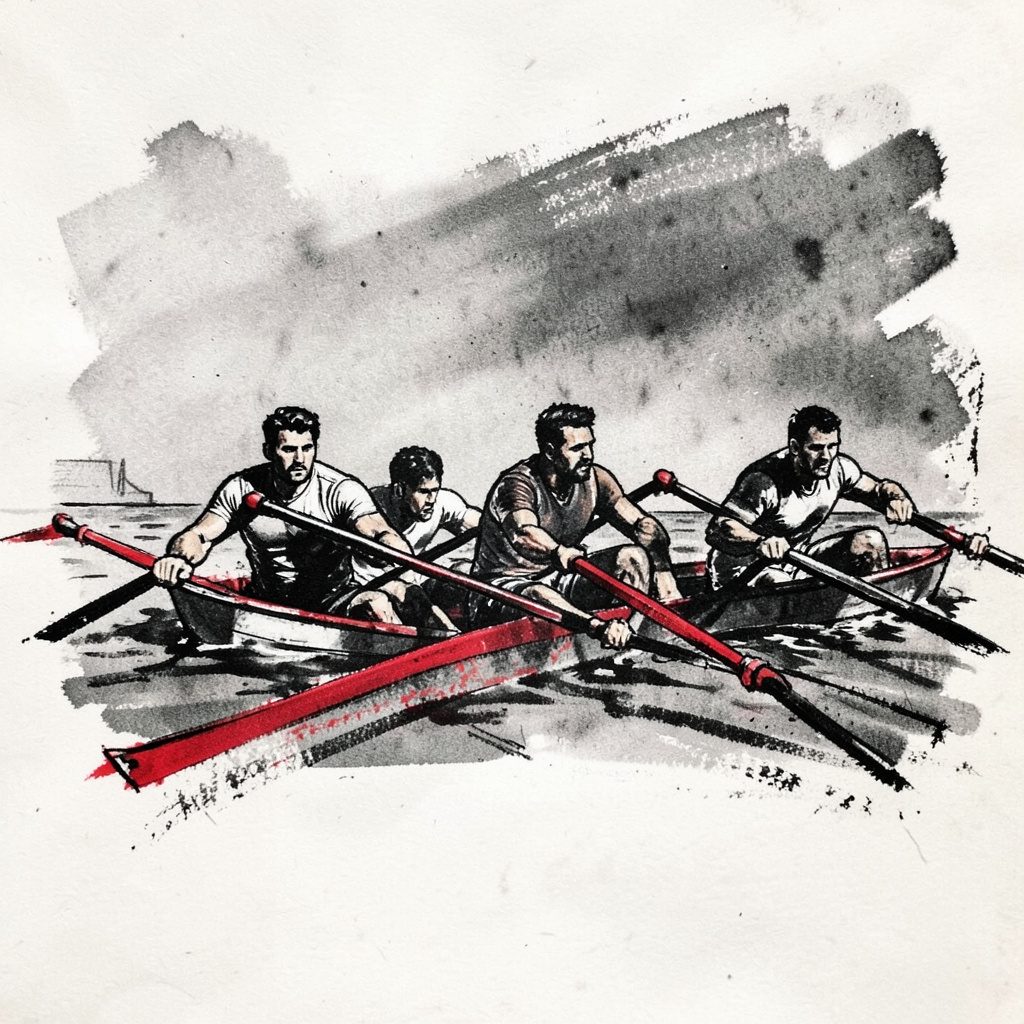
Coverage and results from the team's trip to Clemson Sprints on Lake Hartwell.
Read More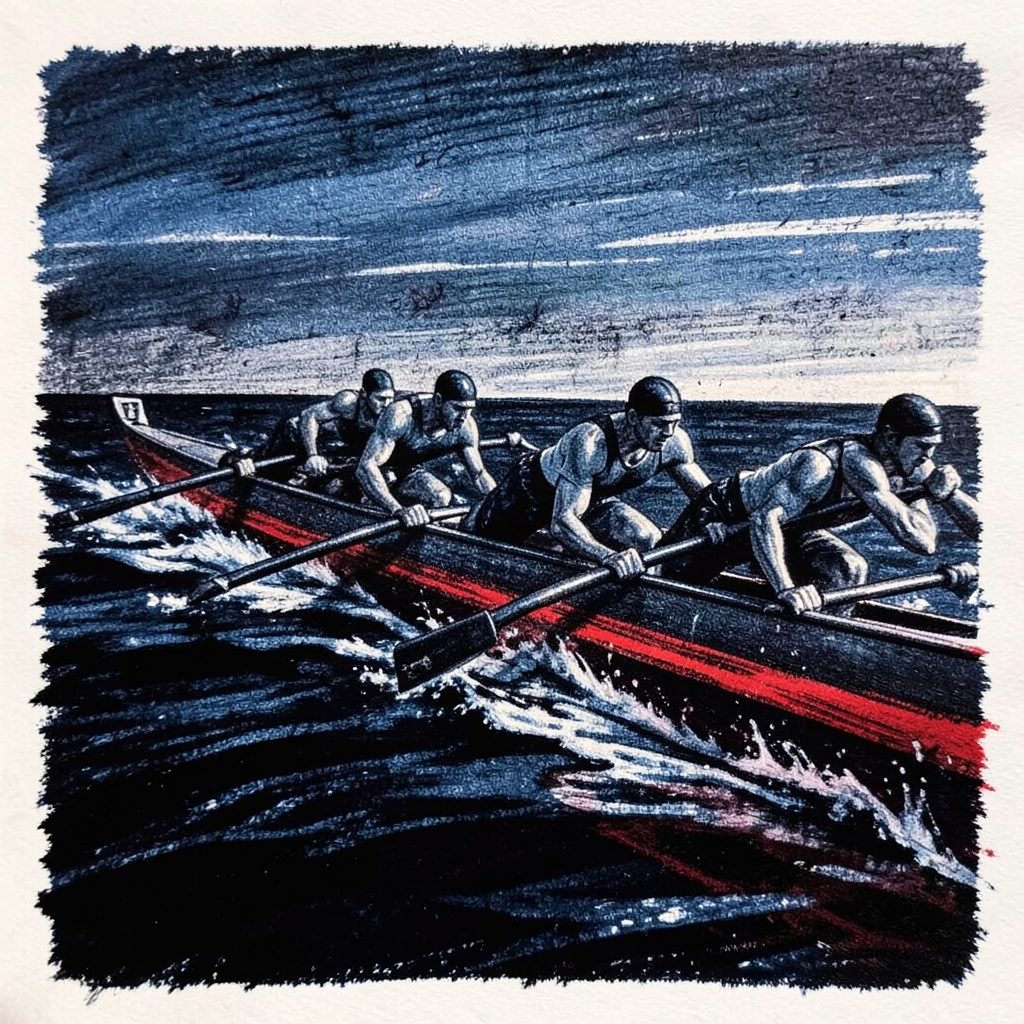
Spring lineup including Clemson Sprints, SIRA, Dad Vail, and ACRA National Championship.
Read More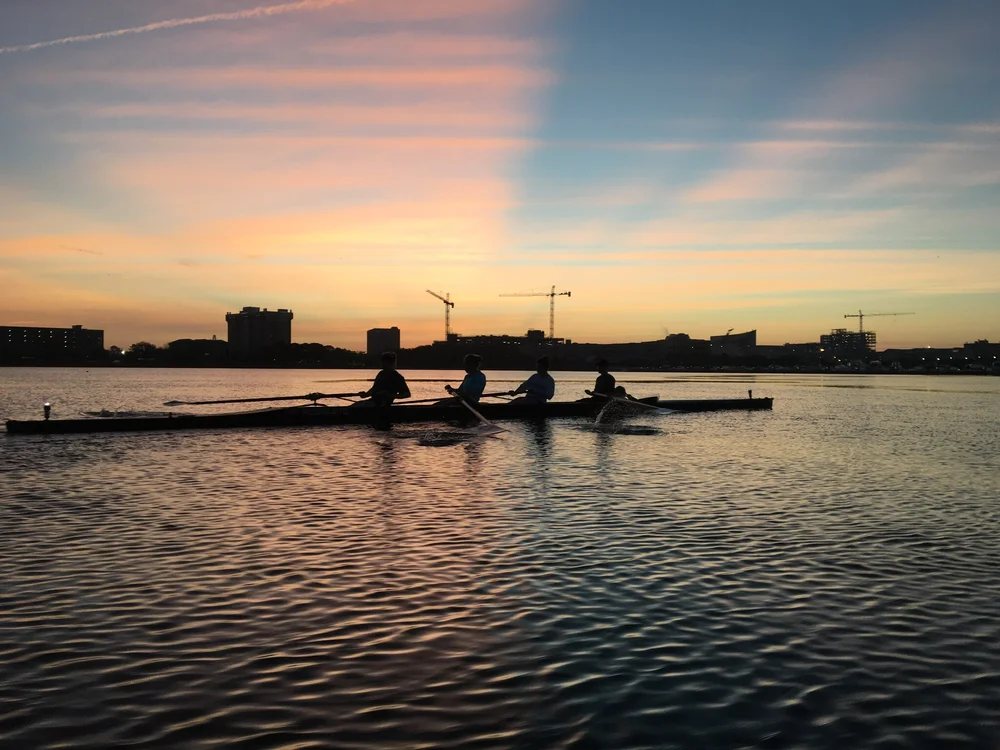
Previews and recap of past Head of the Charles appearances, including the 50th annual regatta in 2014.
Read MoreTeam practice, regatta dates, and meetings are listed on the team calendar. Coaches post weekly schedules and travel details for upcoming race weekends.
Charleston Crew / CCAA
PO Box 12941
Charleston, SC 29422
Email: info@cofccrew.org
Phone: 843.513.5900
Phone: 843.276.4241
Interested in joining the team? Fill out the recruitment form and the coaches will follow up.