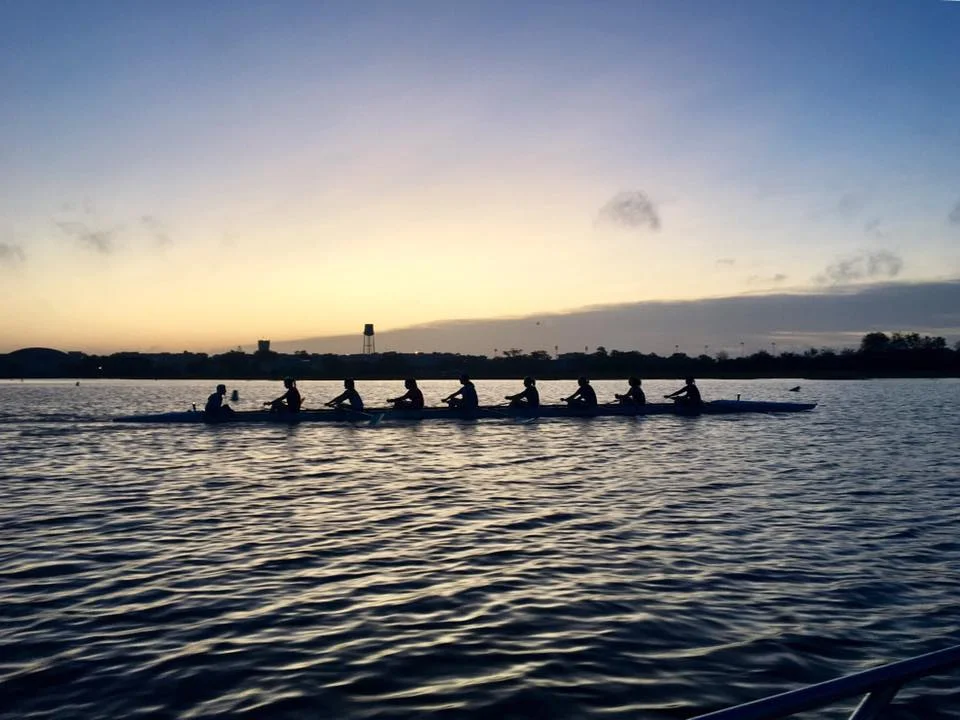
Clemson Sprints Weekend
Coverage and results from the team's trip to Clemson Sprints on Lake Hartwell.
Read More
A non-profit rowing team at the College of Charleston in Charleston, South Carolina.
At first light, a rowing eight can appear perfectly synchronised from the shore, but each athlete relies on clear calls, shared rhythm and trust in the person steering the boat.
The College of Charleston Crew Team competes throughout the Southeast and along the United States East Coast, giving its captains responsibilities that extend far beyond race day. They connect athletes, coaches and the wider alumni community while helping a student club operate with purpose.
For Australian readers, much of this will feel familiar. Crews cut across Sydney Harbour at sunrise, and university rowing clubs often sit within lively community boathouses. The difference is that American varsity programs may place more formal authority in the captain, while many Australian clubs distribute tasks among the whole squad.
The team captain’s role is much more than a title: it is active leadership built through training, travel, fundraising and hundreds of small decisions made for the crew.
| Responsibility | College of Charleston captain | Australian club comparison |
|---|---|---|
| Training voice | Brings feedback from athletes to coaches | Supports, rather than replaces, the coach |
| Race calls | Coordinates with the coxswain and head coach | Shares lessons and race plans with the squad |
| Community | Represents the program to alumni and supporters | Often shares duties with a volunteer committee |
| Boat care | Helps organise equipment and safe launches | May share launches, cleaning and maintenance |
That comparison matters because authority should never eclipse the coach’s technical direction. The captain can identify a pattern across the squad, translate concerns into useful feedback and make sure decisions are explained clearly to rowers who may be new to the sport.
Australian rowing often runs on memberships, race-entry fees, sponsorship and volunteer labour. A comparable college captain may therefore be less like a club president and more like a dependable representative whose example encourages others to contribute.
Safety is a captain’s first responsibility, particularly when an eight is learning to move together in a racing shell. The coxswain steers, but the captain must create an environment where everyone speaks up about a loose oar, a rough lane or an injury.
For newer rowers, a calm explanation of balance and recovery can be as valuable as physical instruction. The team’s advice on overcoming capsizing fears offers a useful starting point, while the captain’s presence turns that advice into a shared routine.
Before every session, an effective captain checks that novices understand commands and that experienced athletes model careful boat handling. That preparation reduces hesitation without turning a friendly team culture into a rigid hierarchy.
Training reveals leadership more clearly than a result does. A captain notices who has lost confidence, speaks with the coaching staff about individual needs and keeps standards high when the weather changes or the water is crowded.
They can also build cohesion by organising crew meals, reviewing race footage and encouraging the boat to support rather than compete with individuals inside it. The College of Charleston program benefits when this work happens away from the starting line.
Many Australian rowers know the routine: gear is loaded before the arvo session, coxswain calls are rehearsed, and club members clean the blades together. On the Gold Coast’s Broadwater, that volunteer culture can be as important as the coach’s plan.
Regattas test another side of leadership. A college crew may travel with a large contingent, manage spare equipment and support athletes across several race categories. The captain helps hold that structure together so competitors can focus on the start.
The Chattahoochee regatta preview shows how useful preparation can be: knowing the venue, current and race schedule helps athletes arrive ready rather than spend the morning reacting to surprises.
On race day, the best captain communicates with the head coach and coxswain, protects the crew’s focus and recognises good decisions under pressure. Public updates, photo requests and hospitality are part of the job as well.
College sport depends on people beyond the lineup. Captains often welcome visiting crews, mentor younger athletes and set the tone for interactions with alumni, officials and supporters. Their leadership is visible in how reliably the team shows up for one another.
The crew photo gallery captures that wider identity, showing the team as a community rather than a collection of individual athletes. Shared memories can reinforce standards, especially during a long season.
Fundraising is another practical test. Whether organising an alumni appeal or encouraging a smaller student contribution, a captain can make participation feel meaningful. Australian clubs know this model well, often pairing regatta revenue with sponsorship and member-led events.
An effective captain is evaluated on trust, preparation and service. Trust comes from keeping confidences, admitting mistakes and seeking help early; preparation turns good intentions into routines; service appears in the unglamorous jobs that keep training moving.
The title can then describe responsibility rather than status. At College of Charleston, it should connect the discipline demanded on the water with the generosity expected off it, including support for beginners and experienced rowers alike.
A crew remembers who remained calm before a difficult session, who noticed a struggling teammate and who represented the program with care. Those actions give the team captain’s title lasting meaning and shape a culture athletes are proud to inherit.
College of Charleston Crew fields competitive eights and fours in both Fall head races and Spring sprint regattas across the Southeast.
Learn MoreRecent news, recaps, and announcements from the team.
Coverage and results from the team's trip to Clemson Sprints on Lake Hartwell.
Read More
Spring lineup including Clemson Sprints, SIRA, Dad Vail, and ACRA National Championship.
Read More
Previews and recap of past Head of the Charles appearances, including the 50th annual regatta in 2014.
Read MoreTeam practice, regatta dates, and meetings are listed on the team calendar. Coaches post weekly schedules and travel details for upcoming race weekends.
Charleston Crew / CCAA
PO Box 12941
Charleston, SC 29422
Email: info@cofccrew.org
Phone: 843.513.5900
Phone: 843.276.4241
Interested in joining the team? Fill out the recruitment form and the coaches will follow up.