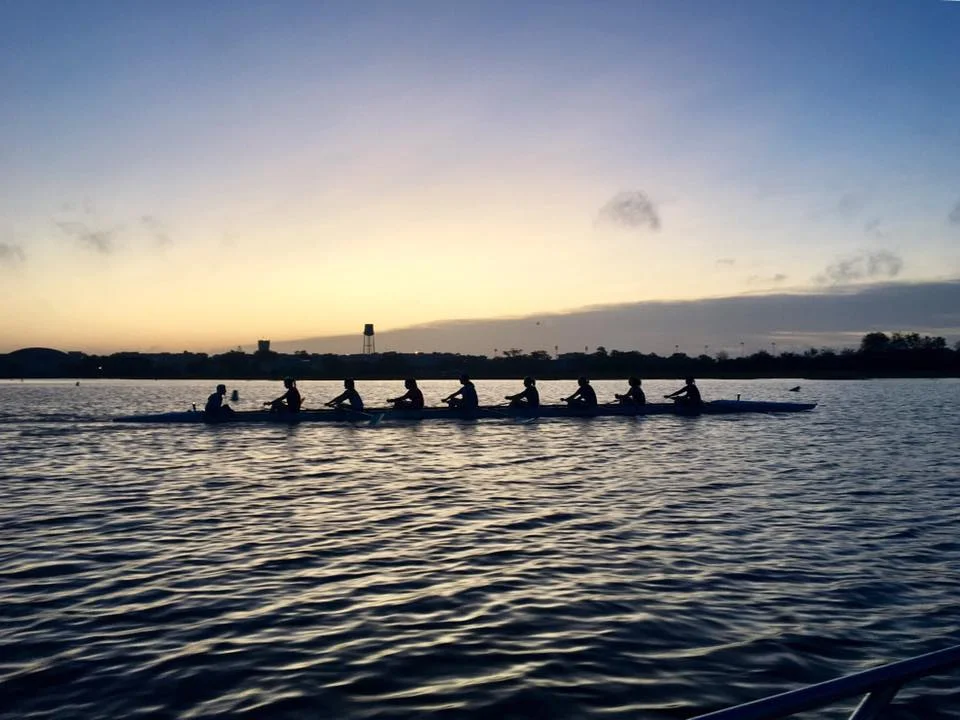
Clemson Sprints Weekend
Coverage and results from the team's trip to Clemson Sprints on Lake Hartwell.
Read More
A non-profit rowing team at the College of Charleston in Charleston, South Carolina.
Your first collegiate regatta is a mix of athletic challenge, team tradition and carefully timed logistics. Whether you have years of rowing experience or joined as a beginner, race day will feel much bigger than an ordinary training session. Expect early starts, unfamiliar boats, loud launch areas and plenty of support from teammates.
For Australian students, the atmosphere may feel familiar if you have seen school rowing on the Yarra, Nepean River or Swan River, but American collegiate racing has its own rhythm. A College of Charleston Crew Team regatta can involve travel across the Southeast or along the East Coast, changing weather and several races packed into one morning or afternoon.
Preparation usually begins several days before the event. Coaches will confirm the race schedule, boat line-ups, transport arrangements and meeting times. Read every message carefully, because a “be at the boathouse at 5:00” instruction may mean arriving ready to load equipment, not waking up at that time.
Pack practical clothing rather than relying on race kit alone. Bring warm layers, rain protection, spare socks, sunscreen, a cap and shoes that can handle muddy grass. Australian rowers used to checking Bureau of Meteorology forecasts should apply the same habit here, while remembering that Charleston conditions can shift quickly. The team’s weather planning guide is useful when preparing for wind, rain and temperature changes.
Regatta mornings often begin in darkness. Once the team arrives, athletes unload oars, trestles, cox boxes and boat covers before carrying shells to the rigging area. This work is part of rowing culture, so listen closely and take responsibility for small jobs such as holding a rigger steady or checking seat numbers.
You may feel unsure about where to stand or what to touch. That is normal. Ask an experienced teammate before moving a boat or adjusting equipment. Keep walkways clear, stay aware of blades and follow the coxswain’s instructions. The launch area can become crowded and noisy, rather like the busy staging area at a large Australian school regatta.
Your crew will normally complete a land warm-up before heading to the dock. This may include jogging, mobility exercises, rowing drills and a short technical briefing. The goal is to raise your heart rate without wasting energy before the race.
Listen for the race marshal or coach calling your event. Crews may be identified by event number, lane, university and boat class, so know those details in advance. Keep your uniform visible and stay with your crew. If the schedule changes because of wind, lightning or delays, remain flexible rather than wandering away from the team area.
The start can feel intense. Boats are aligned by officials, coxswains make final adjustments and crews may wait several minutes before the command. Use this time to settle your breathing, check your foot stretchers and focus on the first strokes.
Your coxswain will call the start sequence and race plan. You do not need to watch neighbouring crews or guess whether you are winning. Concentrate on rhythm, connection and the technical cues you practised. In a sprint race, the opening strokes are powerful, but controlled movement matters more than frantic effort.
A collegiate race often covers 2,000 metres, although novice and development events can vary. Expect the first part to feel fast, the middle section to require discipline and the final 500 metres to test your ability to respond under fatigue.
Keep your hands, body swing and slide timing consistent with the crew. If you make a mistake, recover on the next stroke instead of apologising or looking around. The boat moves best when everyone stays composed. Your coxswain will manage steering, calls and race strategy, allowing you to focus on rowing effectively.
After landing, help carry the boat and return equipment before searching for food or a phone. Coaches may want a quick debrief while the details are fresh. Drink steadily, eat familiar carbohydrates and replace wet or sweaty clothing if possible.
Heat can be a serious factor in the Lowcountry, even when the morning begins comfortably. Review the team’s advice on hydration and electrolytes, particularly if you come from a cooler Australian climate such as Melbourne or Hobart. Avoid experimenting with unfamiliar supplements on race day.
Regattas are social as well as competitive. Crews encourage one another, congratulate opponents and help nearby teams when equipment or transport causes problems. You may hear chants, see team tents decorated with flags and encounter formal boat-naming or post-race traditions.
American campuses often bring families, alumni and supporters to the riverbank, much as Australian rowing clubs attract parents and former athletes on a Saturday. Be respectful around officials, volunteers and other crews. Thank the coxswain, coach and boat handlers, then celebrate the effort whether your result matches your expectations or not.
Your first regatta will become easier once you understand its pattern: prepare, listen, row your role and help the crew. The confidence gained from that first race carries into future competitions across South Carolina, the Southeast and the wider collegiate rowing calendar.
College of Charleston Crew fields competitive eights and fours in both Fall head races and Spring sprint regattas across the Southeast.
Learn MoreRecent news, recaps, and announcements from the team.
Coverage and results from the team's trip to Clemson Sprints on Lake Hartwell.
Read More
Spring lineup including Clemson Sprints, SIRA, Dad Vail, and ACRA National Championship.
Read More
Previews and recap of past Head of the Charles appearances, including the 50th annual regatta in 2014.
Read MoreTeam practice, regatta dates, and meetings are listed on the team calendar. Coaches post weekly schedules and travel details for upcoming race weekends.
Charleston Crew / CCAA
PO Box 12941
Charleston, SC 29422
Email: info@cofccrew.org
Phone: 843.513.5900
Phone: 843.276.4241
Interested in joining the team? Fill out the recruitment form and the coaches will follow up.