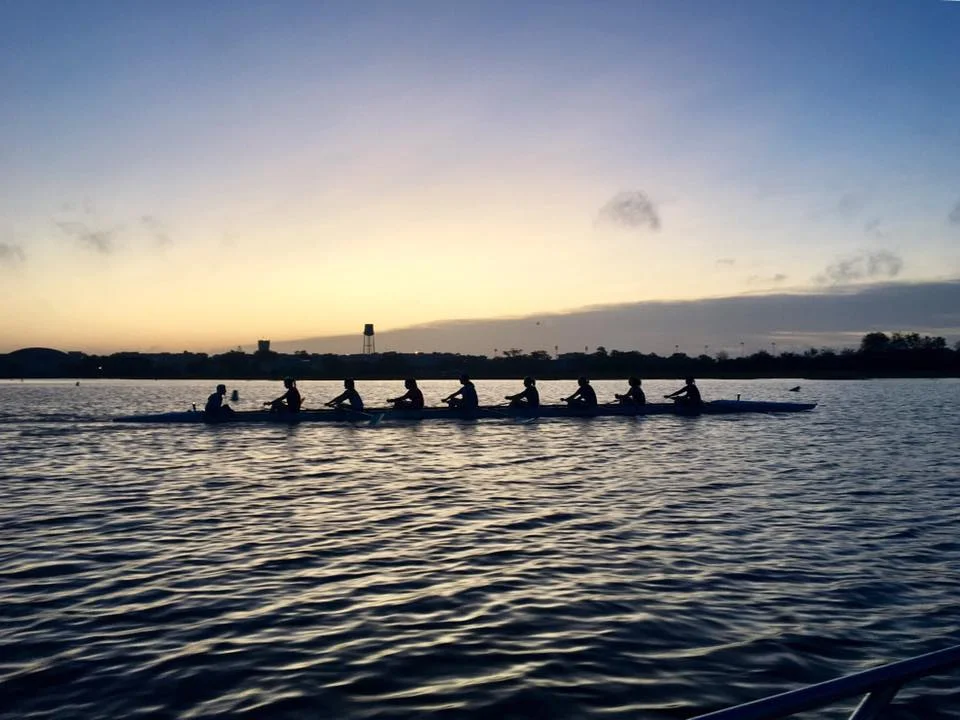
Clemson Sprints Weekend
Coverage and results from the team's trip to Clemson Sprints on Lake Hartwell.
Read More
A non-profit rowing team at the College of Charleston in Charleston, South Carolina.
A full day at a regatta can involve an early breakfast, several hours beside the water, warm-up rows, racing, boat loading and a long trip home. Fluid needs are easy to underestimate because rowing often happens in bursts, while heat, wind and sun continue to drain water from the body between races.
For Australian crews, the setting may be a humid morning at Lake Wivenhoe, a bright afternoon at Penrith Regatta Centre or a changeable day in Melbourne. A practical hydration routine should account for sweat, race timing, food, weather and access to drinkable water rather than relying on thirst alone.
Drink steadily from breakfast instead of trying to catch up just before launching. Water with breakfast, a bottle during transport and a small drink during rigging can establish a useful routine without leaving you uncomfortable in the boat. Pale-straw urine is a reasonable everyday sign of adequate hydration; completely clear urine all morning may indicate that you are overdoing it.
Pack more fluid than you expect to need. A large refillable bottle, a smaller bottle for the boat area and an electrolyte drink or tablet give you options when the regatta timetable changes. In Australia, a quick stop at Woolies or Chemist Warehouse can cover last-minute supplies, but venue kiosks may have limited stock or higher prices, especially at smaller regional courses.
Sweat loss rises quickly in Queensland and northern New South Wales, where a warm, humid arvo can make recovery between races feel harder. Strong sun also increases heat load even when a breeze is moving across the course. Drink little and often during breaks, taking enough to replace clear losses without forcing down large volumes.
For many athletes, roughly 400–800 millilitres per hour is a useful starting range during prolonged activity, but body size, sweat rate and conditions matter. Heavy sweaters may need more sodium, particularly after several races. An electrolyte drink containing sodium can support fluid retention and replace some salt; plain water remains suitable for shorter sessions and cooler conditions. Avoid making a new sports drink the centre of race day if you have not tested it in training.
About two hours before the first race, drink enough to feel comfortably hydrated, then reduce the volume as the start approaches. A few mouthfuls during the final staging period are usually easier to manage than a full bottle. Drinking too much immediately before rowing can cause a sloshing stomach, urgent toilet stops and unnecessary discomfort.
After each race, take a deliberate recovery break: cool down, sip fluid and eat something containing carbohydrate and sodium. A banana, sandwich, yoghurt pouch or muesli bar can help restore energy alongside a drink. Crews preparing for a major championship can also learn from this SIRA Championships guide, particularly the value of planning for waiting periods as well as racing.
Hydration works better when paired with heat management. Set up under shade where possible, wear a broad-brimmed hat between races, apply sunscreen and change out of wet kit if the day turns cool. A chilly Melbourne morning can become sunny by midday, while a coastal breeze at Lake Macquarie can disguise how much fluid you are losing.
Pack an esky with chilled bottles, fruit, wraps and easy snacks rather than depending on a canteen. Keep one bottle clearly marked so teammates do not share germs, and carry a spare refill option for delays. Community-focused team activities, such as Charleston rowing giving, also show how regatta preparation can include practical organisation and care for the wider group.
Monitor how you feel after racing. Headache, unusual fatigue, dizziness, cramps, nausea, confusion or a rapid loss of coordination can signal heat illness or a more serious problem. Move to a cool area, tell a coach or first-aid volunteer and stop exercising. Someone who is confused, faint or unable to drink needs urgent medical attention rather than being pushed to consume fluids.
Once racing is finished, continue sipping water or an electrolyte drink with a proper meal. Weighing before and after a hard training session can help estimate personal sweat loss, provided it is done sensibly and not used to chase a specific body weight. Recovery also includes light movement, rest and correct rowing mechanics; this discussion of recovery timing reinforces how coordinated technique can reduce unnecessary fatigue. A considered drink-and-food routine helps rowers finish the day alert, safe and ready for the trip home.
College of Charleston Crew fields competitive eights and fours in both Fall head races and Spring sprint regattas across the Southeast.
Learn MoreRecent news, recaps, and announcements from the team.
Coverage and results from the team's trip to Clemson Sprints on Lake Hartwell.
Read More
Spring lineup including Clemson Sprints, SIRA, Dad Vail, and ACRA National Championship.
Read More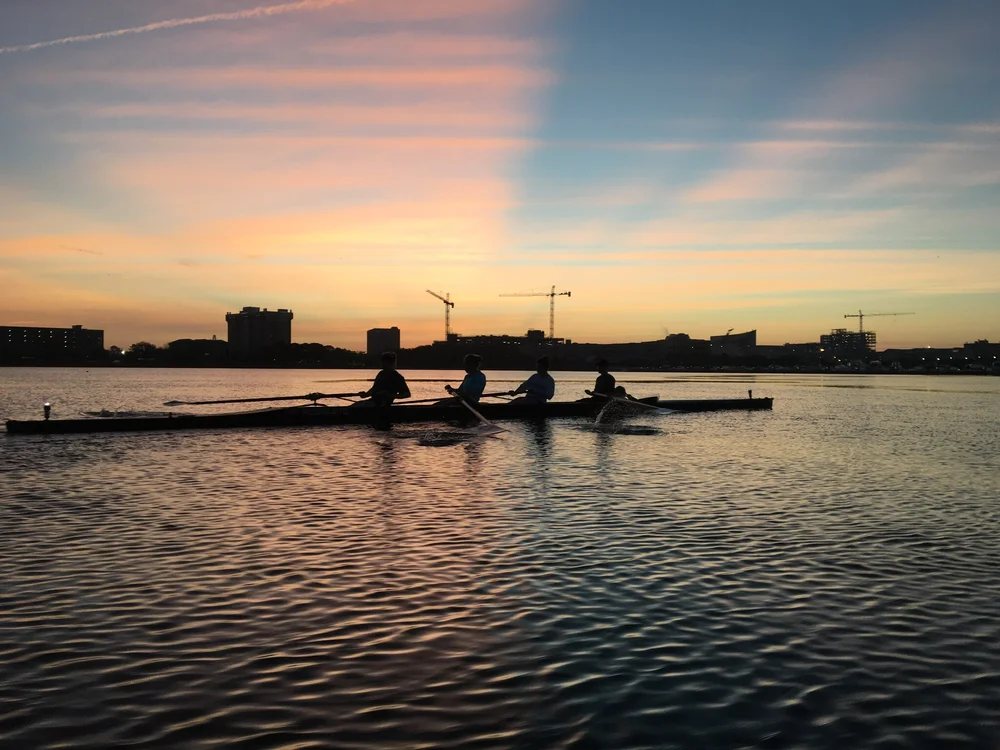
Previews and recap of past Head of the Charles appearances, including the 50th annual regatta in 2014.
Read MoreTeam practice, regatta dates, and meetings are listed on the team calendar. Coaches post weekly schedules and travel details for upcoming race weekends.
Charleston Crew / CCAA
PO Box 12941
Charleston, SC 29422
Email: info@cofccrew.org
Phone: 843.513.5900
Phone: 843.276.4241
Interested in joining the team? Fill out the recruitment form and the coaches will follow up.